強い束縛、圧倒的な支配
noun 名詞比喩的に、慣習・流行・多数派・時間などが人の自由や選択を強く制限する状態を指す。「the tyranny of fashion」のようにthe tyranny of+物事の形で使われ、政府による圧政ではない抑圧的な影響を表す。
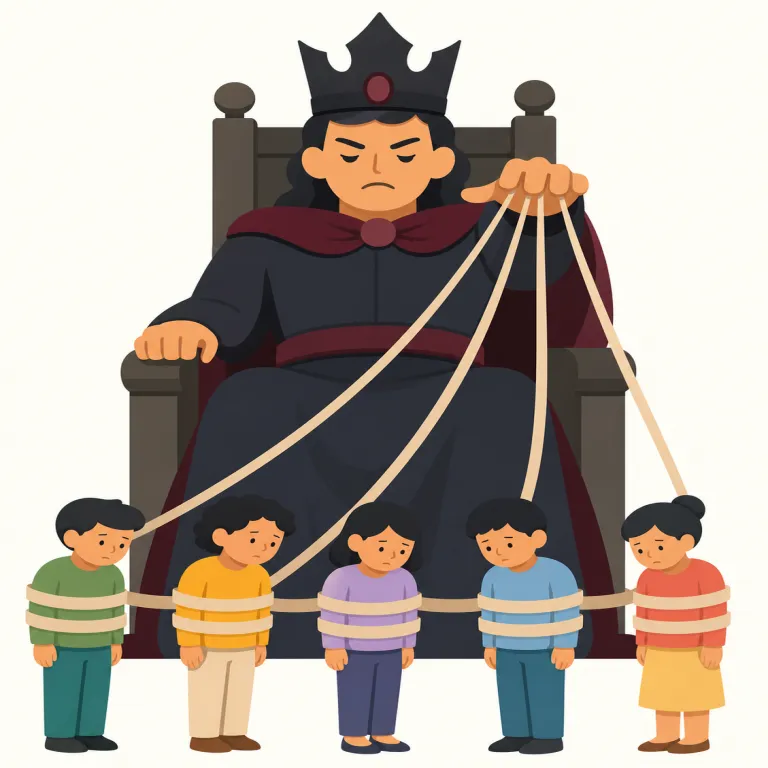
tyranny は英検準1級レベルの英単語で、「圧政」という意味があります。発音記号は /ˈtɪrəni/ です。
タイラニーとは、権力者が民衆を残酷かつ不公平な方法で支配する圧政・専制政治のことです。自由や権利が抑圧され、独裁者や権威主義的な政府が恐怖によって人々を支配する状態を指します。歴史上、多くの独裁政権がタイラニーの典型とされています。
Tyranny is cruel, unfair, and oppressive rule by a person or government with too much power. It is used when authority is exercised in a way that limits freedom and causes suffering. The word has a strong negative meaning and is common in political or historical contexts.
tyrant(暴君)を知っていれば、tyranny は「暴君が行う支配そのもの」とつながります。tyrannical(圧制的な)も同じ語族なので、tyrant → tyranny → tyrannical と横並びで覚えると定着しやすいです。語尾 -y は「状態・性質」を表すことがあり、jealous → jealousy と同じ感覚で「暴君らしさの状態」→「圧政」と取れます。単なる government や rule ではなく、自由や権利を押さえつける恐怖ベースの支配を指す重い語です。under tyranny, fight against tyranny の形でも覚えると使いどころが見えます。
If you know tyrant, tyranny is easier: a tyrant is the ruler, and tyranny is that kind of rule. Learn the word family together: tyrant, tyranny, tyrannical. Useful pairs like under tyranny and fight against tyranny help fix the word in memory.
The people fought against the king's cruel tyranny.
人々は王の残酷な圧政と戦いました。
Thomas Jefferson wrote that people have the right to overthrow tyranny.
トーマス・ジェファーソンは、人々には圧政を打倒する権利があると書きました。
The new government promised to end years of tyranny.
新政府は長年の圧政を終わらせると約束しました。
この語をはじめて出題された 33人 のうち 19人 が正解しました(58%)。
えいたんごクイズの回答から集計した独自データです。1人につき最初に出題されたときの1回だけを数えており、復習や2回目以降の回答、「わからない」と時間切れは含みません。 集計時点は 2026年9月19日 です。
文脈によって、次の意味でも使われます。
比喩的に、慣習・流行・多数派・時間などが人の自由や選択を強く制限する状態を指す。「the tyranny of fashion」のようにthe tyranny of+物事の形で使われ、政府による圧政ではない抑圧的な影響を表す。
tyranny はギリシャ語 tyrannia「専制支配」がラテン語・フランス語を経て入った語で、tyrann-「絶対支配者」+ -y「状態」と見られます。tyrant や tyrannical も同根で、「一人が力を握ること」が核だと分かると、「圧政」が支配のあり方を責める語だと見えてきます。
Tyranny comes from Greek tyrannia, meaning the rule of a tyrant, and passed into English through Latin and French. The central root refers to an absolute ruler who holds power alone. Over time, the word came to stress not just one-person rule, but harsh and unjust rule. Related English words include tyrant and tyrannical.
この英単語をクイズで覚えよう