uncharacteristically
珍しく
解説 Definition
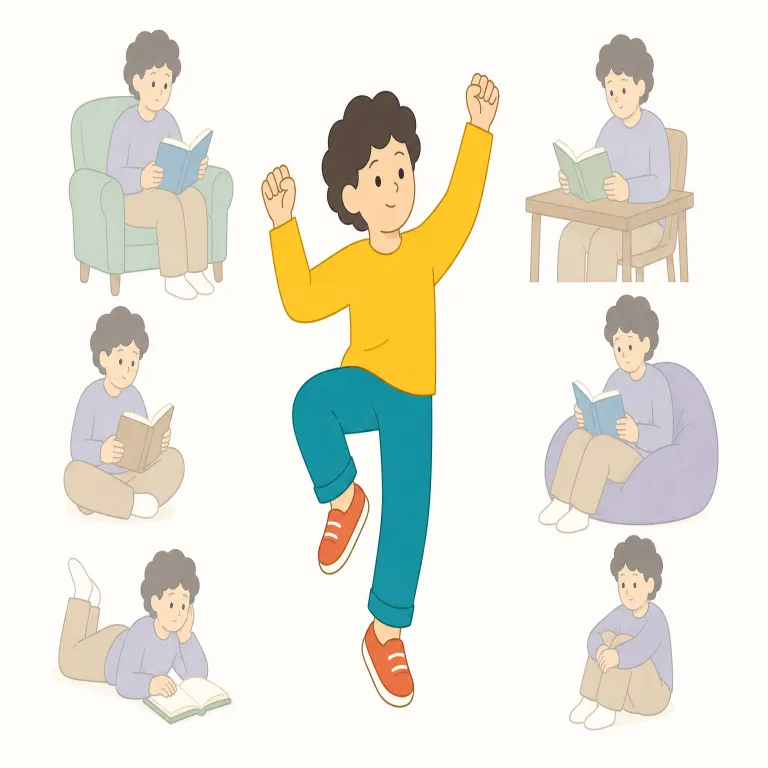
通常と異なる、珍しい、普段と違う方法で行動することを表す副詞。ある人や物の典型的でない振る舞いや特性を示す。
Uncharacteristically means in a way that is unusual for a person, thing, or situation. It shows that someone is acting differently from their normal behavior. It is often used to point out a surprising change.
覚え方のコツ Memory Tip
まず中心の characteristic を character(その人らしさ・性格・持ち味)から思い出すと覚えやすいです。そこに un- が付くので「その人らしくない」、さらに -ally で副詞化して「らしくないふうに」→「珍しく」。He was uncharacteristically quiet. なら、ただ unusually quiet なのではなく「普段の彼からすると珍しく静かだった」という含み。人や物の“いつものキャラ外”を示す語だと押さえると定着します。
Start with characteristic, which is about a person's usual character or style. Add un- and it becomes "not like their usual self," then -ally makes it an adverb. So if someone is uncharacteristically quiet, it means quiet in a way that is unusual for them.
例文
The usually quiet student spoke up uncharacteristically in class.
普段は物静かな生徒が、授業中に珍しく発言しました。
She uncharacteristically made such a risky decision.
彼女は珍しくそのような危険な決断を下した。
It was uncharacteristically cold for this time of year.
この季節にしては珍しく寒かった。
uncharacteristically の類義語・関連語
uncharacteristically の語源・成り立ち Etymology
un-「否定」+ characteristic「その人らしい特徴」+ -ally「〜に」。characteristic はギリシャ語由来の character「刻まれた印」が元で、だから「らしくない形で」から「珍しく」という意味になる。関連語は character, characteristic。
Uncharacteristically is built from un- "not," characteristic, and -ally. Characteristic comes from character, from Greek kharakter, meaning an engraved mark or distinctive sign. The idea developed from "having a mark that shows what something is like" to "in a way that is not usual for someone or something."
同じレベルの語彙をもっと
外部辞書で調べる
この英単語をクイズで覚えよう