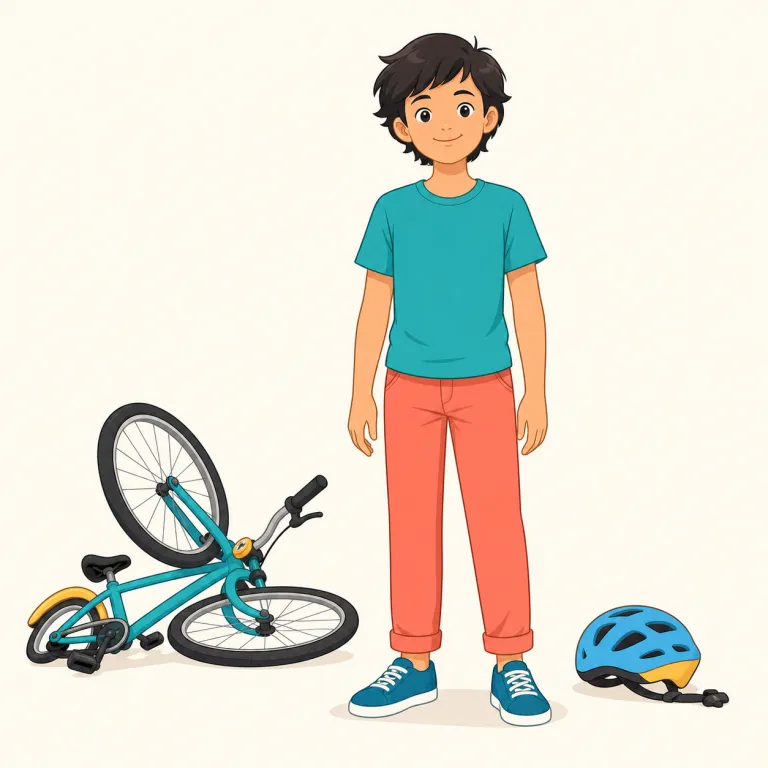
無傷の
解説 Definition
負傷していない(ふしょうしていない)とは、怪我がない状態、または損傷を受けていないという意味です。体も物も無傷で、害を受けていない状態を表します。
Uninjured means not hurt physically after an accident, attack, or other dangerous event. It is often used in news reports and emergency situations. It emphasizes that no bodily harm happened.
覚え方のコツ Memory Tip
un- は「反対・なし」、injured は injure「傷つける」から来る形なので、まず injured=「傷ついた」を押さえると、uninjured は一瞬で「傷ついていない」と読めます。ニュースでは after the crash, all passengers were uninjured のように、事故・火災・転倒の後で「けがはなかった」と述べる場面で頻出。safe は全体に安全、uninjured は結果として無傷、hurt は痛い・傷ついた、という違いで並べると記憶に残りやすい。物にも使えるが、まずは「人が無傷で助かった」場面で覚えると定着します。
Build it from `injure` to `injured`, then add `un-` for the opposite. That gives you the clear idea of “not hurt” or “not damaged.” It is common in news-style phrases like `all passengers were uninjured` after an accident.
例文
Fortunately, all passengers emerged uninjured from the accident.
幸い、乗客は全員、事故でけがをしませんでした。
The hikers were uninjured after the landslide.
登山者たちは土砂崩れの後、無傷でした。
He walked away uninjured from the collision.
彼はその衝突で無傷で済みました。
uninjured の類義語・関連語
uninjured の語源・成り立ち Etymology
uninjured は否定の un- と injured から成り、injure はラテン語 iniuria「不正・害」に由来します。iniuria は in-「否定」+ ius「法・正義」で、本来「正しさから外れたこと」なので、そこから「害を受けた」、さらに uninjured で「害を受けていない=無傷の」とわかります。関連語は injure, injury。
Uninjured is made from un- and injured. Injure comes from Latin iniuria, which meant "wrong," "injustice," or "harm," from in- "not" and ius "law" or "right." The sense developed from something unjust or harmful to physical harm, so uninjured means not harmed; related words include injure and injury.
同じレベルの語彙をもっと
外部辞書で調べる
この英単語をクイズで覚えよう