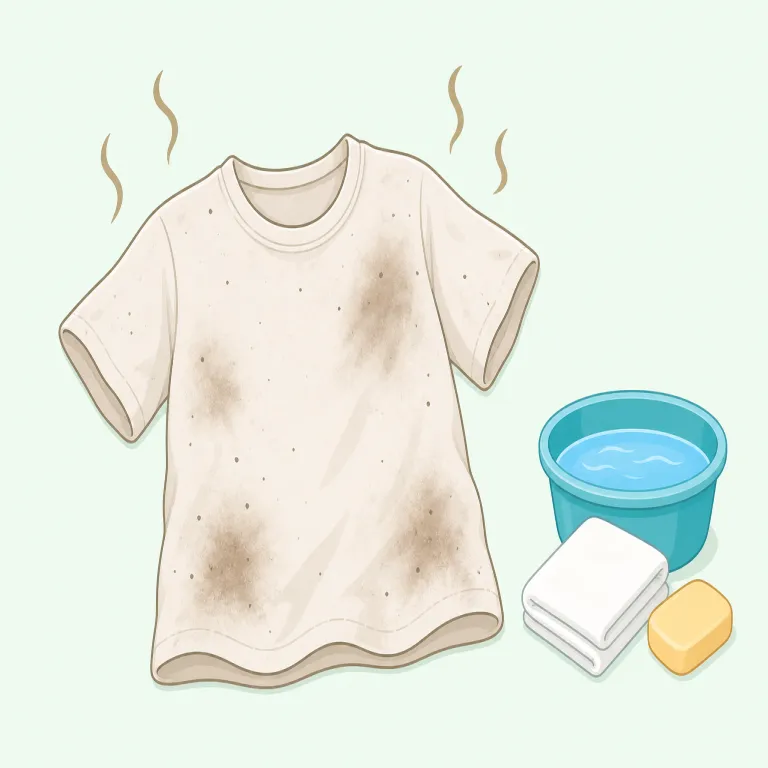
洗っていない、教養のない
解説 Definition
形容詞としては文字どおり「洗っていない」「不潔な」を意味し、比喩的には人について「無教養な」「洗練されていない」という侮蔑的な意味でも使われます。特に the unwashed masses のような表現では、一般大衆を見下して呼ぶ語になります。
Unwashed literally means not washed or dirty. It can also refer to ordinary people in a rude, old-fashioned way, suggesting they are uncultured or low class. That second meaning is insulting and should be used carefully.
覚え方のコツ Memory Tip
un- は「否定」、washed は wash の過去分詞なので、まず「洗われていない」と形から取るのが最短です。unknown, unfinished などと同じく、「un-+過去分詞=〜されていない」の型で覚えると定着します。意味は文字どおりの「不潔な」から、「身なりが悪い→洗練されていない・無教養な」へ広がると整理すると忘れにくいです。特に the unwashed masses は頻出の固まりで、「大衆」を見下して言うかなり侮蔑的な表現。dirty より社会的な軽蔑が強い点に注意すると使い分けやすいです。
This is a clear `un-` + past participle pattern: `washed` means cleaned, so `unwashed` means not cleaned. That pattern also helps with words like `unfinished` or `unknown`. Be careful with the phrase `the unwashed masses`, which is a very insulting way to talk about ordinary people.
例文
The unwashed masses knew nothing of classical music.
その無教養な大衆はクラシック音楽について何も知らなかった。
He felt superior to the unwashed masses.
彼は無教養な大衆より自分のほうが上だと感じていた。
Politicians appeal to the unwashed masses.
政治家は、いわゆる無教養な大衆にも訴えかける。
unwashed の類義語・関連語
unwashed の語源・成り立ち Etymology
un-(否定)+ wash(洗う)+ -ed から成る語です。wash は古英語 wæscan、さらにゲルマン祖語 *waskan- にさかのぼり、「洗われていない」がそのまま語義になりました。関連語に wash、washer があります。
This word is built from un- "not," wash, and -ed. Wash comes from Old English waescan, from an older Germanic root meaning "to clean with water." Unwashed therefore first meant simply "not washed," and could later be used more broadly for people seen as rough or uncultured.
同じレベルの語彙をもっと
外部辞書で調べる
この英単語をクイズで覚えよう