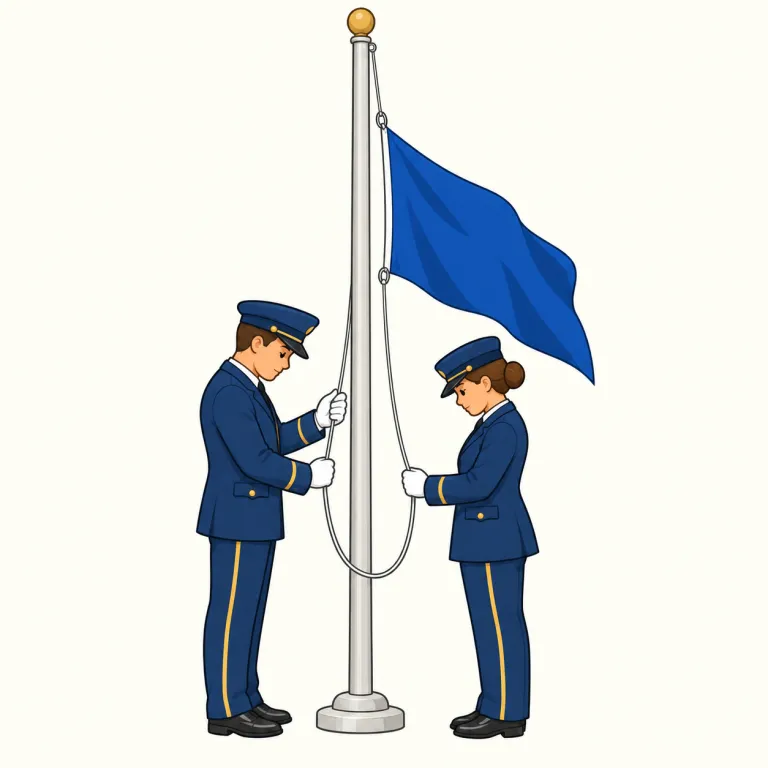
(古語)下げる
解説 Definition
古語で、帽子・旗などを敬意、服従、哀悼のしるしとして下げる、または帽子を脱ぐことを表す動詞。現代英語では通常 lower や doff を用いる。
An archaic verb meaning to lower something, especially a hat or flag, as a sign of respect, submission, or mourning, or to remove one’s hat as such a gesture. Modern English normally uses lower or doff.
覚え方のコツ Memory Tip
vail は「下げる」を表す古語の動詞です。vail one’s hat や vail a flag のように、敬意や服従のしるしとして帽子・旗を下げる場面を思い浮かべます。現代では lower や doff が一般的です。veil「ベール」と混同しないようにしましょう。
Treat vail as an archaic verb meaning “lower.” Picture someone lowering a flag or doffing a hat to show respect or submission. Modern English normally uses lower or doff. Keep it separate from veil, the noun for a face or head covering and the verb meaning “to cover or conceal.”
例文
In the old account, the soldiers vailed their flags in mourning.
その古い記録では、兵士たちは哀悼の意を示して旗を下げました。
The courtier vailed his hat before the monarch.
廷臣は君主の前で敬意を示して帽子を脱ぎました。
vail の語源・成り立ち Etymology
古フランス語avaler(降りる)が源流で、ラテン語のad(〜へ)+vallis(谷)に遡ります。元々は「谷の方へ下る」意味でしたが、そこから「帽子を下げて敬意を表す」用法が定着しました。同じ語源を持つ言葉にvalley(谷)があります。
Vail is historically associated with Anglo-French and Old French avaler, meaning “to lower” or “to descend.” That verb developed from a phrase containing val, “valley,” ultimately from Latin vallis. The underlying spatial image was movement downward, as though toward a valley. This history applies to the archaic verb meaning “to lower”; other words spelled vail, including an old spelling of veil, have separate histories.
同じレベルの語彙をもっと
外部辞書で調べる
この英単語をクイズで覚えよう