
意味一覧 (2件)
目を覚ます、起こす
解説 Definition
眠っている状態から、意識がもどって起きることを表します。また、眠っている人を声や音などで起こすことも表します。
To stop sleeping and become awake. It can also mean to make someone stop sleeping.
覚え方のコツ Memory Tip
wake は、閉じていた目が開き、眠りから意識が戻る瞬間で覚えると定着しやすい語です。自分が起きるなら I wake at six. や I wake up at six.、人を起こすなら wake me up のように、目的語を wake と up の間に置けます。目覚まし時計が鳴り、自分が wake up し、その音が家族を wake up するという二つの場面を続けて想像すると、自分が起きる用法と人を起こす用法を整理できます。過去形は woke、過去分詞は woken なので、wake–woke–woken も声に出して覚えましょう。
Think of waking up in the morning when your eyes open. Wake can also be what someone does to get another person out of sleep.
例文
I wake at six.
私は6時に目を覚まします。
Please wake me up.
私を起こしてください。
My dog wakes early.
私の犬は早く目を覚まします。
えいたんごクイズでの正答率
この語をはじめて出題された 30人 のうち 29人 が正解しました(97%)。
えいたんごクイズの回答から集計した独自データです。1人につき最初に出題されたときの1回だけを数えており、復習や2回目以降の回答、「わからない」と時間切れは含みません。 集計時点は 2026年9月19日 です。
航跡
(意味 2)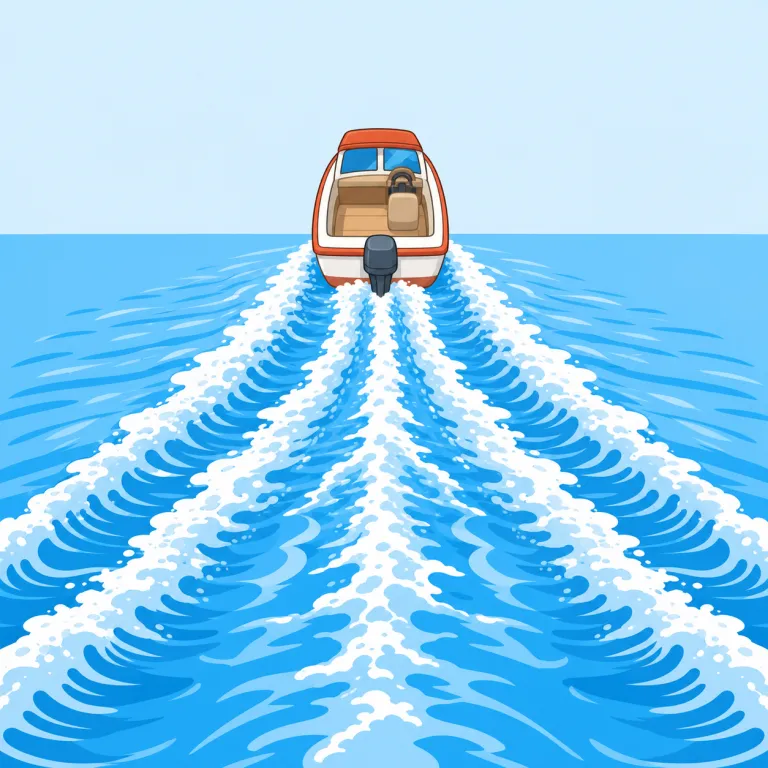
解説 Definition
「ウェイク」とは、船が水面を進んだときに船尾から後方に広がる波や水流のこと。スクリューや船体が水を押しのけることで生じる乱流の跡を表す。比喩的には、ある出来事の直後やその結果として続く事柄を指すのにも使われる。
A wake is the line of moving water left behind a boat or ship as it travels. It can also mean the waves caused by something moving through water. This meaning is mainly used in travel or sea-related contexts.
覚え方のコツ Memory Tip
まず、よく知っている動詞 wake up の wake とつなげて覚えると残りやすいです。船が進むと、水面が“起こされて”後ろに筋や波が残る、その残された流れが wake。実際に船の後方に白くのびる線を思い浮かべると定着しやすいです。名詞では in the wake of ... で「…の後を受けて、…の余波で」という比喩表現にも広がるので、「後ろに残る跡・影響」が共通イメージ。動詞の wake と混同しやすいので、この語では「目覚め」ではなく「通った後に残るもの」と固定するとぶれません。
Picture the white line of water behind a moving boat. That line is a `wake`, so the word is about the mark or disturbance left after something passes. This also helps with `in the wake of`, where one event leaves effects behind it.
例文
The speedboat left a wide wake as it raced across the lake.
スピードボートは湖を疾走しながら幅広い航跡を残した。
Seagulls followed the ship, flying just above its wake.
カモメたちが船の航跡のすぐ上を飛びながら後を追った。
The ferry's wake rocked the small boats moored nearby.
フェリーの航跡が近くに係留された小型ボートを揺らした。
えいたんごクイズでの正答率
この語をはじめて出題された 40人 のうち 27人 が正解しました(68%)。
えいたんごクイズの回答から集計した独自データです。1人につき最初に出題されたときの1回だけを数えており、復習や2回目以降の回答、「わからない」と時間切れは含みません。 集計時点は 2026年9月19日 です。
wake の類義語・関連語
類義語
対義語
wake を含む表現
句動詞・イディオムなど 3 件。クリックで各表現の詳細へ。
wake の語源・成り立ち Etymology
古い英語の wacan「目を覚ます、起きる」に由来します。昔から、眠りから起きて意識がはっきりすることを表す語として使われてきました。
Wake comes from Old English wacan, meaning "to become awake" or "to arise." It has long been used for coming out of sleep.
同じレベルの語彙をもっと
外部辞書で調べる
この英単語をクイズで覚えよう