wreck
wreck は英検準1級・TOEIC 860・TOEFL 80・IELTS 6.5レベルの英単語で、「破壊する、だめにする、残骸、難破船、大事故、衝突事故」という意味があります。発音記号は /rɛk/ です。
意味一覧 (3件)
破壊する、だめにする
解説 Definition
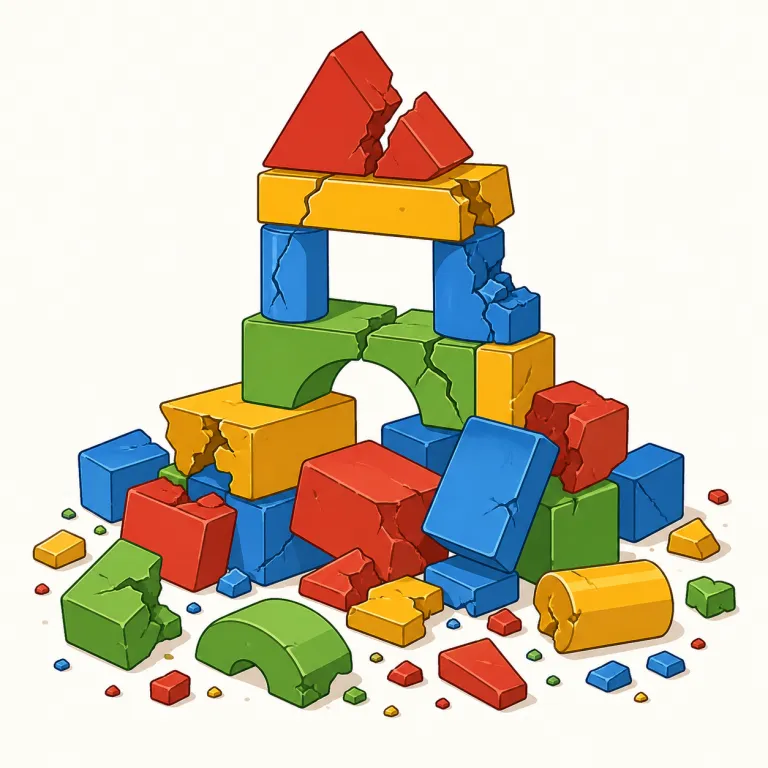
物や建物、乗り物などをひどく壊すこと、または計画・希望・人生などを完全にだめにすることを表す動詞。単なる損傷より被害が大きい場合に使われ、物理的な破壊にも比喩的な破滅にも広く用いられる。
To wreck something means to damage it very badly or destroy it completely. It can be used for physical things like cars or buildings, and also for plans, chances, or relationships.
覚え方のコツ Memory Tip
wreck は「少し傷つける」ではなく「原形をとどめないほど壊す」感覚で覚える。名詞 wreck「残骸」、shipwreck「難破」と結びつけると、壊れた後の悲惨さまで一緒に浮かぶ。物だけでなく wreck a car, wreck a plan, wreck his career のように車・計画・人生も台なしにできる。damage より深刻で、事故や衝突でガタガタになる映像を持つと定着しやすい。つづりの近い wreak とは別語なので混同に注意。
`Wreck` feels stronger than `damage` because it suggests something is badly ruined. It helps to connect it with the noun `wreck` and with `shipwreck`, which gives a clear image of destruction. You can wreck not only a car, but also a plan or a career. Be careful not to confuse it with `wreak`, which is a different word.
例文
The storm will wreck the buildings in its path.
嵐は進路上の建物を破壊するだろう。
Poor decisions can wreck your future.
判断を誤ると、将来をだめにしてしまうことがある。
The ship was wrecked on the rocks during the storm.
嵐の最中、その船は岩礁に乗り上げて難破した。
えいたんごクイズでの正答率
この語をはじめて出題された 33人 のうち 25人 が正解しました(76%)。
えいたんごクイズの回答から集計した独自データです。1人につき最初に出題されたときの1回だけを数えており、復習や2回目以降の回答、「わからない」と時間切れは含みません。 集計時点は 2026年9月19日 です。
残骸、難破船
(意味 2)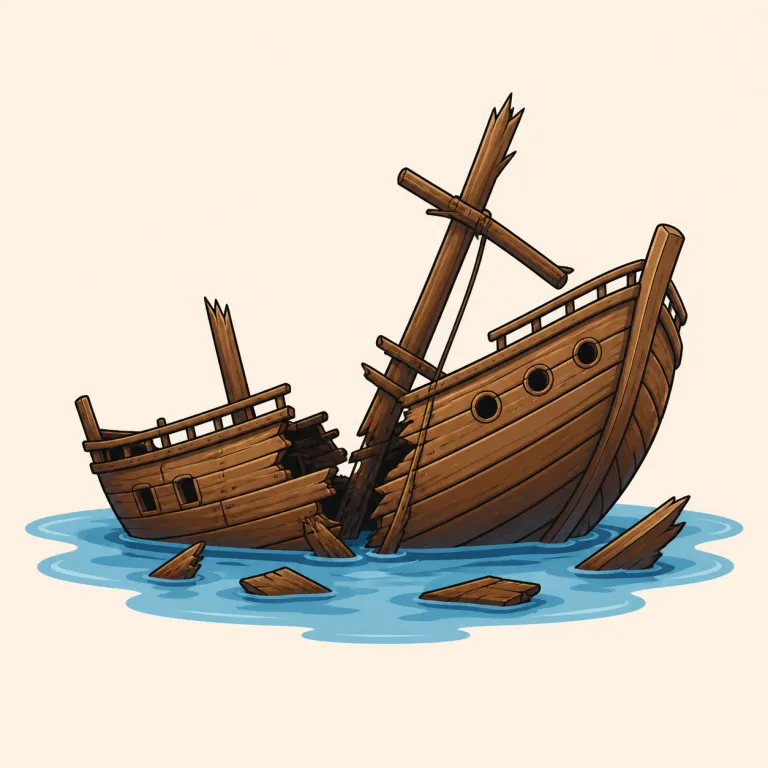
解説 Definition
事故や災害で壊れた船・飛行機・車などの残りを指す名詞です。特に海で沈んだ船の残骸について使われることが多く、歴史や海難事故、発見のニュースなどでよく見られます。元の形を失った壊れた物そのものを表す語です。
The badly damaged remains of a ship, aircraft, or vehicle after an accident or disaster. It is especially common when referring to a sunken ship.
例文
Divers explored the wreck of an old trading ship.
ダイバーたちは古い商船の残骸を調査した。
The wreck lay at the bottom of the bay for centuries.
その残骸は何世紀もの間、湾の底に沈んでいた。
Police found the wreck of the missing plane in the forest.
警察は森で行方不明機の残骸を発見した。
大事故、衝突事故
(意味 3)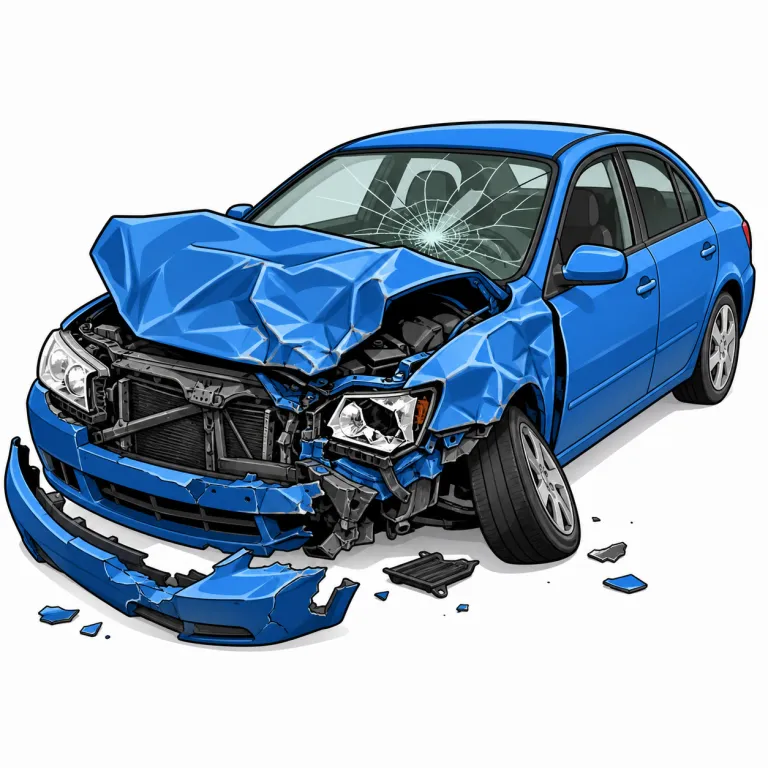
解説 Definition
車などが激しく衝突する重大な事故を指す名詞です。特に car wreck の形で会話や報道に出やすく、被害や損傷の大きい深刻な事故を表します。
A serious accident involving a vehicle, especially a violent collision that causes major damage. It is often used when talking about road or rail accidents.
覚え方のコツ Memory Tip
この語義の wreck は、車などが激しく衝突する「大事故」です。a car wreck や a train wreck のように、乗り物と事故の場面を組み合わせて覚えましょう。事故後の残骸を指す語義とは区別し、He was hurt in the wreck. なら「彼はその事故でけがをした」と捉えます。
Picture the moment vehicles collide, and remember 'a car wreck' or 'a train wreck.' In 'He was hurt in the wreck,' the word names the accident in which he was injured.
例文
Traffic stopped after a three-car wreck on the highway.
高速道路で三台が絡む大事故があり、車の流れが止まった。
He was not hurt in the wreck.
彼はその大事故でけがをしなかった。
Two people were taken to the hospital after the wreck.
その事故のあと、二人が病院へ搬送された。
wreck の類義語・関連語
類義語
紛らわしい語
wreck の語源・成り立ち Etymology
wreck は古ノルド語 reka「追い流す・漂着させる」にさかのぼり、もとは波に打たれて岸へ流れ着いた船の残骸を指しました。そこから動詞で「難破させる」「めちゃくちゃに壊す」へ広がり、shipwreck や wreckage にも“壊れて残るもの”という感覚が残っています。
"Wreck" comes from Old Norse "reka," meaning "to drive" or "to drift." It first referred to things, especially ships, driven ashore by the sea and left broken behind. From that image, it developed into the verb meaning to destroy badly, and related words like "shipwreck" and "wreckage" still show that older sense.
同じレベルの語彙をもっと
英検準1級の一覧へ →外部辞書で調べる
この英単語をクイズで覚えよう