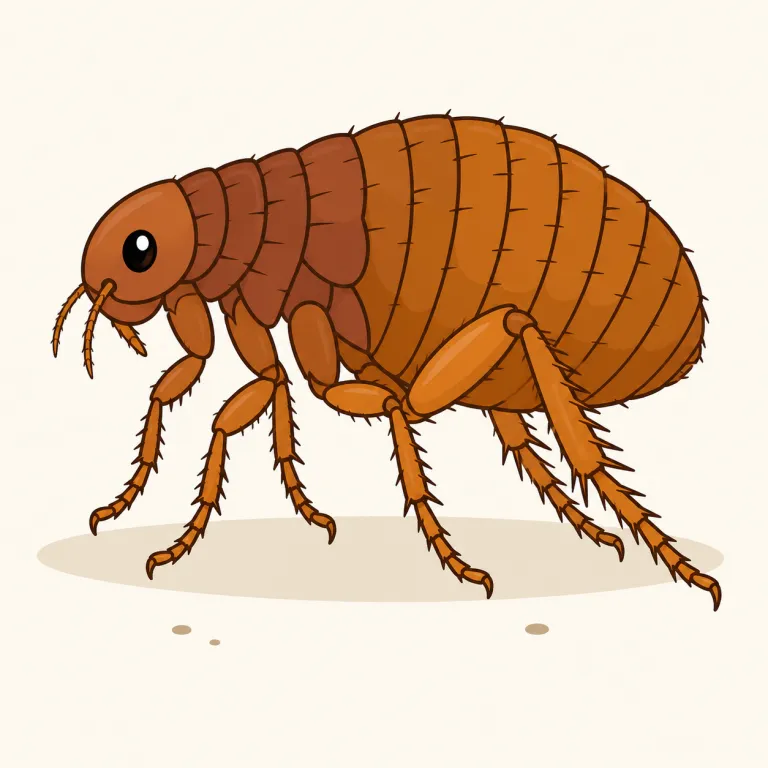
翼のない
解説 Definition
翼を持たない、または翼が発達していない。多くの昆虫や動物が翼がない状態を指す。
Wingless means having no wings. It is often used to describe insects, birds, or other animals, and sometimes it can describe things that are normally expected to have wings but do not.
覚え方のコツ Memory Tip
wing を知っていればまず「翼」に結びつく。そこに -less が付くと「〜がない」なので、hopeless, harmless, sleepless と同じ型で「翼がない」と取れる。反対は winged。bird というより wingless insect, wingless bird のように、生物の分類や特徴説明で出やすい語。broken-winged のような「翼はあるが傷んでいる」とは違い、最初から欠いている・発達していない感じを意識すると混同しにくい。形がそのまま意味になる形容詞だと覚える。
If you know `wing`, the rest is simple: `-less` means "without," like in `hopeless` or `harmless`. So `wingless` is built in a very transparent way. Remember it as the opposite of `winged`.
例文
Wingless insects include fleas and lice.
翼のない昆虫にはノミとシラミが含まれます。
Some species of insects are naturally wingless.
昆虫の種によっては自然に翼がないものもあります。
The wingless insects crawled across the floor.
翼のない昆虫は床を這って移動しました。
wingless の類義語・関連語
wingless の語源・成り立ち Etymology
wingless は wing『翼』+ -less『〜のない』。wing は古ノルド語 vængr にさかのぼり、winged や wingspan と同根です。『飛ぶための翼を欠いた状態』という形そのものが、翼のないという意味をまっすぐ表しています。
Wingless is formed from wing and the suffix -less, meaning "without." Wing comes from Old Norse vaengr, replacing some older English forms, and it is related to words like winged and wingspan. The word has kept a very direct sense: something that lacks wings.
同じレベルの語彙をもっと
外部辞書で調べる
この英単語をクイズで覚えよう