
witness
witness は英検2級・TOEIC 730・TOEFL 60・IELTS 5.5レベルの英単語で、「目撃者、証人、目撃する」という意味があります。発音記号は /ˈwɪtnəs/ です。
意味一覧 (2件)
目撃者
/ verb 動詞 目撃する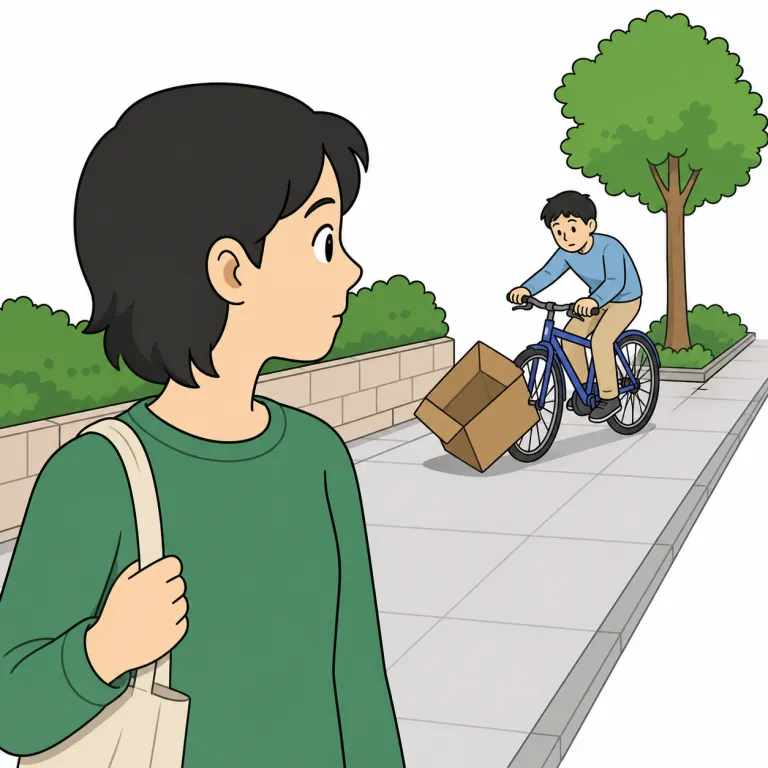
解説 Definition
事故や事件、出来事が起きた場にいて、それを実際に見た人を指す。法廷の証人という限定的な意味より広く、日常会話や報道では事件や事故の目撃者という意味でよく使われる。
A person who was present and saw an event happen, especially an accident or crime. The person can describe what they saw, whether or not they speak in court.
覚え方のコツ Memory Tip
まず「その場で見て、あとで説明できる人」と覚えると芯がつかめます。witness は単なる知人ではなく、出来事を直接見たために証言できる人。裁判では a witness, witness stand、事件では an eyewitness が定番で、「証人」と「目撃者」がかなり近い語です。victim は被害を受けた人で別。さらに名詞と動詞が同形なので、I witnessed the accident. で「事故を目撃した」と広げると定着しやすいです。
Picture someone who was there, saw what happened, and can explain it afterward. Connect witness with eyewitness to remember that direct observation is central to this sense.
例文
The witness saw the car.
その目撃者はその車を見ました。
The witness told police about the accident.
その目撃者は事故について警察に話しました。
One witness saw the boy.
一人の目撃者がその男の子を見ました。
証人
(意味 2)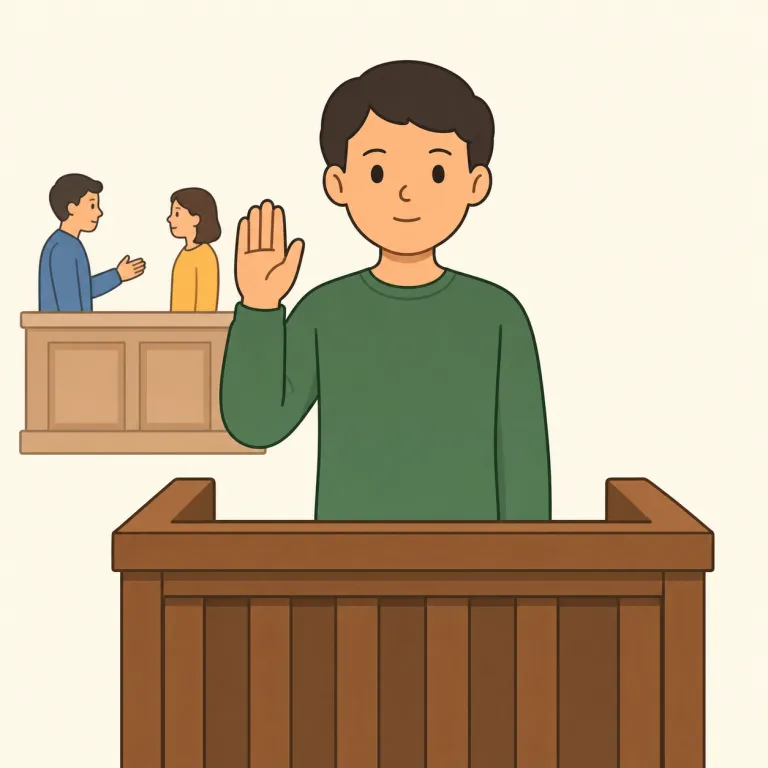
解説 Definition
裁判や調査などで、自分の知っている事実や見聞きした内容を正式に述べる人を指す名詞です。出来事を実際に見た「目撃者」とは限らず、専門知識や関係情報に基づいて証言する人も含みます。
A witness is a person who sees an event happen, especially an accident or crime. It can also mean someone who gives information about what they saw in court. The word is often used in legal and police situations.
覚え方のコツ Memory Tip
witness は、裁判や調査で知っている事実を正式に述べる「証人」です。testify in court「法廷で証言する」、call a witness「証人を証言台に呼ぶ」という組み合わせでよく使われます。実際に事件を見た eyewitness「目撃者」だけでなく、専門知識や関係情報をもとに証言する人も含みます。
A `witness` is someone who can speak because they were there and saw it. Link it with `eyewitness` and court phrases like `a witness` or `the witness stand`. Also remember it is both a noun and a verb: `I witnessed the accident`.
例文
The witness testified in court.
その証人は法廷で証言した。
The lawyer called the next witness.
弁護士は次の証人を証言台に呼んだ。
She appeared as a witness at the trial.
彼女は裁判に証人として出廷した。
えいたんごクイズでの正答率
この語をはじめて出題された 52人 のうち 34人 が正解しました(65%)。
えいたんごクイズの回答から集計した独自データです。1人につき最初に出題されたときの1回だけを数えており、復習や2回目以降の回答、「わからない」と時間切れは含みません。 集計時点は 2026年9月19日 です。
witness の類義語・関連語
witness の語源・成り立ち Etymology
古英語 witnes は wit(知識・知恵)+ -nes(状態を表す接尾辞)で、「知っている状態・知識」が原義。転じて「目撃して知っている人=証人」となった。関連語: wit(機知)、wisdom(知恵)。「見た」ことより「知っている」ことが本質という発想が面白い。
Old English witnes combined wit, meaning knowledge or wisdom, with a suffix expressing a state. Its original sense of knowledge developed into the idea of a person who knows about an event directly.
同じレベルの語彙をもっと
英検2級の一覧へ →外部辞書で調べる
この英単語をクイズで覚えよう