
accompany
accompany は英検準2級・TOEIC 730・TOEFL 60・IELTS 5.5レベルの英単語で、「同行する、伴う、伴奏する」という意味があります。発音記号は /əˈkʌmpəniː/ です。
意味一覧 (3件)
同行する
解説 Definition
人に付き添って一緒に目的地へ行くことを表す動詞です。単に同じ場所にいるのではなく、相手の連れとして同行する場合に使います。
Accompany means to go somewhere with someone, especially to support them or join them. It can also mean to happen together with something else, or to provide music for a person or event. The word is common in both everyday and formal English.
覚え方のコツ Memory Tip
company「仲間」や companion「連れ」と結びつけ、この語義では「人の連れとして一緒に行く」と覚えます。accompany someone to the station なら「人に付き添って駅まで行く」。後ろから追うのではなく、相手と行動を共にする同行の場面を思い浮かべましょう。
Notice the word company inside accompany. That gives you the core idea of going with someone, not just following behind them. It also appears in patterns like "accompany someone to the station" and "be accompanied by music/slides."
例文
He accompanied his friend to the concert.
彼は友人に付き添ってコンサートに行った。
She accompanied her grandmother to the hospital.
彼女は祖母に付き添って病院へ行った。
A guide accompanied us throughout the tour.
ツアーの間ずっと、ガイドが私たちに同行した。
えいたんごクイズでの正答率
この語をはじめて出題された 43人 のうち 34人 が正解しました(79%)。
えいたんごクイズの回答から集計した独自データです。1人につき最初に出題されたときの1回だけを数えており、復習や2回目以降の回答、「わからない」と時間切れは含みません。 集計時点は 2026年9月19日 です。
伴う
(意味 2)
解説 Definition
ある出来事や状態に、別の結果・性質・感情などが一緒に生じることを表す。人が一緒に行動する意味ではなく、変化や問題、危険、責任などが何かに付随して起こる文脈でよく使う。抽象的な対象にも広く使われ、ニュース、説明文、学術的な文脈でも頻出。
To occur or exist together with another event or condition as an associated feature. It is often used for risks, feelings, symptoms, or changes that come with a particular situation.
覚え方のコツ Memory Tip
company「仲間・一緒にいること」や companion「連れ」を知っていると覚えやすい語です。accompany は「相手と一緒に行く・付き添う」が基本で、follow のように後ろから追う感じではありません。accompany someone to the station のように人に付き添うほか、be accompanied by で「〜を伴う」、a speech accompanied by slides のように「添える・伴奏する」にも広がります。
Use company and companion to remember the idea of things being together. For this sense, picture a change with a risk beside it and learn the pattern be accompanied by a risk.
例文
Rapid economic growth often accompanies social change.
急速な経済成長は、しばしば社会の変化とともに起こる。
Fever sometimes accompanies this infection.
この感染症には発熱が伴うことがある。
The decision was accompanied by considerable risk.
その決定にはかなりの危険が伴っていた。
伴奏する
(意味 3)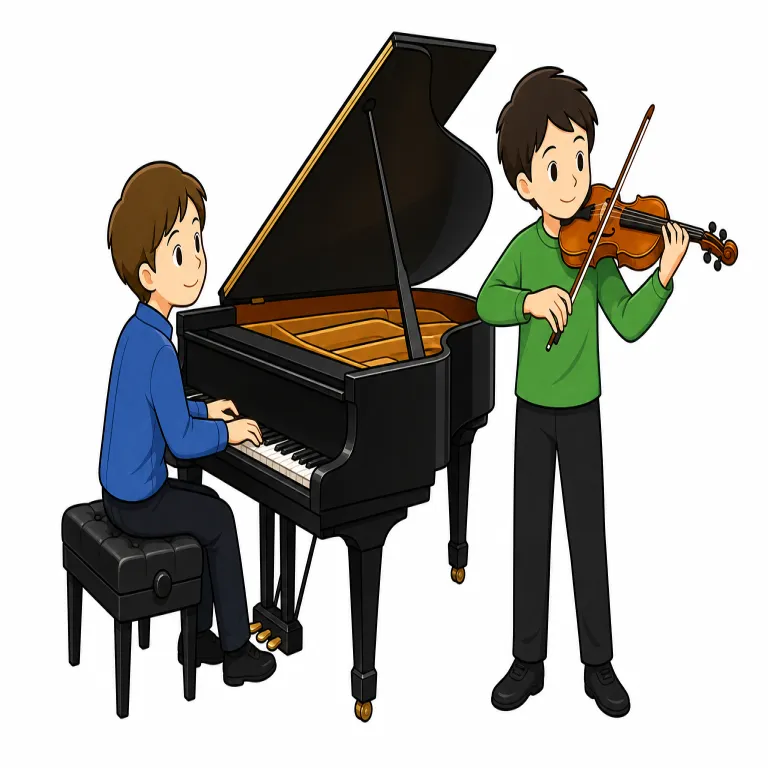
解説 Definition
歌手や独奏者の演奏を支えるために、ピアノやギターなどで一緒に演奏することを表す。自分が主役として弾くのではなく、歌や主旋律を引き立てる役割に重点がある。音楽の授業、合唱、本番のステージなどでよく使う。
To play an instrument in support of a singer or another musician. The playing supports the voice or main melody during a musical performance.
覚え方のコツ Memory Tip
この語義の accompany は、歌手や独奏者と一緒に演奏して音楽を支える「伴奏する」です。accompany the singer on the piano なら「ピアノで歌手に伴奏する」。主役の旋律に寄り添って演奏する場面を思い浮かべると覚えやすく、人に同行する語義とは区別できます。
Picture a pianist supporting a singer's melody. Learn accompany the singer on the piano, with the performer after the verb and the instrument after on.
例文
She accompanied the singer on the piano.
彼女はピアノでその歌手に伴奏した。
He often accompanies the school choir on guitar.
彼はよくギターで学校の合唱団に伴奏する。
Our teacher accompanied our singing on the keyboard.
先生はキーボードで私たちの歌に伴奏してくれた。
accompany の類義語・関連語
accompany の語源・成り立ち Etymology
accompany は古フランス語 acompaignier を経て、後期ラテン語 companio「パンを共にする仲間」に由来し、com「共に」+ panis「パン」が核です。companion や company も同根で、「一緒にパンを食べる仲と行動する」と考えると同行の意味が自然に見えます。
Accompany came into English through Old French acompaignier and goes back to Late Latin companio, meaning a person who shares bread with another. Its roots are com- "with" and panis "bread," the same source as companion and company. The idea moved from sharing bread together to going together with someone.
同じレベルの語彙をもっと
英検準2級の一覧へ →外部辞書で調べる
この英単語をクイズで覚えよう