outrage
outrage は英検準1級・TOEIC 860・TOEFL 80・IELTS 6.5レベルの英単語で、「憤り、激怒させる、暴挙」という意味があります。発音記号は /ˈaʊˌtreɪdʒ/ です。
意味一覧 (3件)
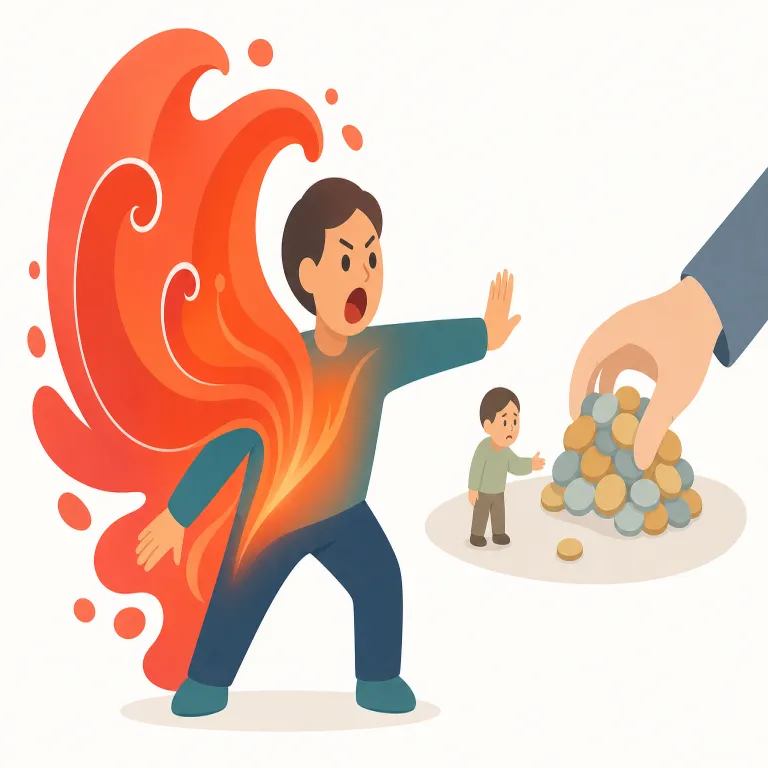
憤り
解説 Definition
強い怒りや憤慨を表す名詞。特に不公平・不正だと感じられる出来事や発言に対して、個人や世論が示す強い反発を指す。ニュース報道、抗議、SNS上の反応などでよく使われ、一時的な怒りよりも社会的な非難の響きを帯びやすい。
Intense anger caused by something considered unfair, wrong, or morally unacceptable. It often describes a strong public reaction to an offensive remark or an unjust decision.
覚え方のコツ Memory Tip
rage が「激しい怒り」だと分かれば、outrage はまず「強烈な怒り・憤激」という名詞で押さえ、その次に「そのレベルの怒りを引き起こす」が動詞だと覚えると定着しやすいです。annoy や upset は個人的な不快感でも使えますが、outrage は不正・差別・無神経な発言のように、道徳的に『それはひどい』と世論まで反発する場面が中心。outrage the public, outrage voters, be outraged at ... の形をまとめて覚え、outageous ではなく outrageous『言語道断の』と混同しないよう注意すると整理しやすいです。
Use the familiar word rage as a spelling association for intense anger, without treating it as the word's origin. Picture public outrage spreading when people hear about an unfair decision.
例文
Public outrage grew after people read the report.
人々が報告書を読むと、世間の憤りは強まった。
Her remarks sparked outrage online.
彼女の発言はネット上で憤りを引き起こした。
The decision caused outrage across the country.
その決定に対し、国中から憤りの声が上がった。
激怒させる
(意味 2)
解説 Definition
人や世論を非常に怒らせたり憤慨させたりすることを表す動詞。発言、行為、決定などが道徳的に許せない、無神経だ、不当だと受け取られたときに使われ、単なる不満ではなく強い反発や非難を呼び起こすような怒りを生じさせる。
To outrage someone means to shock them and make them feel very angry because something seems wrong, unfair, or offensive. It is commonly used for public reactions to actions, statements, or events. The feeling is usually stronger than ordinary anger.
例文
His comments outraged the audience.
彼の発言は聴衆を激怒させた。
The decision to close the school outraged parents.
学校を閉鎖するという決定は保護者たちを激怒させた。
The injustice outraged everyone.
その不正は皆を憤慨させた。
えいたんごクイズでの正答率
この語をはじめて出題された 37人 のうち 29人 が正解しました(78%)。
えいたんごクイズの回答から集計した独自データです。1人につき最初に出題されたときの1回だけを数えており、復習や2回目以降の回答、「わからない」と時間切れは含みません。 集計時点は 2026年9月19日 です。
暴挙
(意味 3)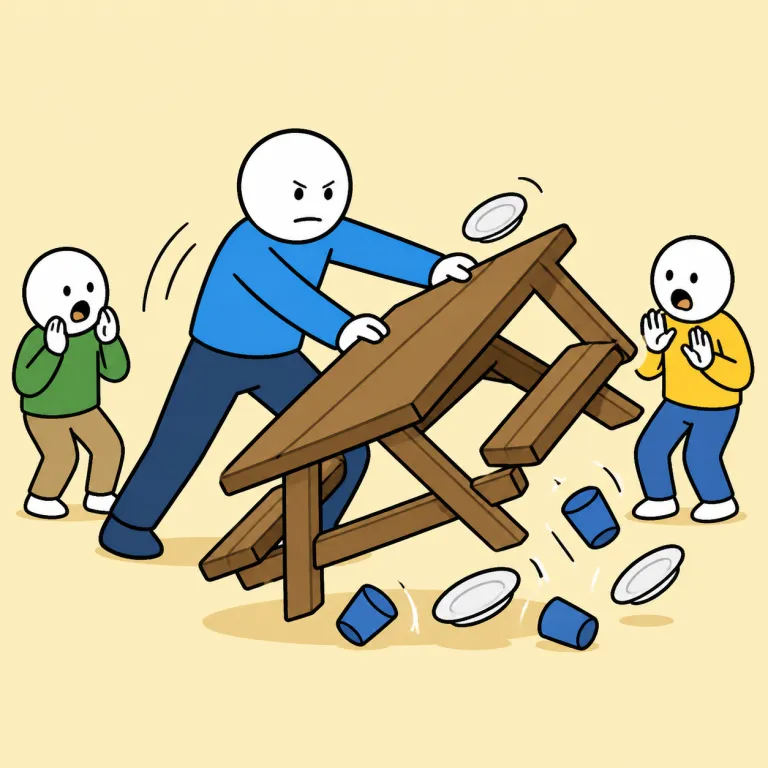
解説 Definition
ひどく不当で、道徳的に許しがたい行為や出来事を指す名詞。暴力、差別、権利侵害のように、人を強く傷つけたり社会の常識に反したりする行為について使われる。単なる失敗よりも、強い非難に値する非道な行為という響きがある。
An act or event considered shockingly unjust or morally unacceptable. Calling something this expresses strong condemnation, especially when it harms people or violates their rights.
覚え方のコツ Memory Tip
rage「激しい怒り」だけに引っ張られず、outrage は「怒りを招くほどひどい行為」と押さえると、この語義に合います。The bombing was condemned as an outrage なら、怒っている感情そのものではなく、非難されるべき暴挙・非道な出来事のこと。annoy や upset のような個人的な不快感ではなく、権利侵害や差別のように道徳的に『それは許せない』と言われる行為が中心です。outrageous「言語道断の」と並べると、怒りより「度を越えたひどさ」が見えやすくなります。
Remember 'an outrage' as an act so unacceptable that people strongly condemn it. Link it with outrageous to picture behavior that goes far beyond acceptable limits.
例文
The unfair punishment was an outrage.
その不当な罰は暴挙だった。
Many students saw the new rule as an outrage.
多くの生徒は、その新しい校則を暴挙だと考えた。
Closing the school library was an outrage.
学校の図書館を閉鎖するのは暴挙だった。
えいたんごクイズでの正答率
この語をはじめて出題された 31人 のうち 22人 が正解しました(71%)。
えいたんごクイズの回答から集計した独自データです。1人につき最初に出題されたときの1回だけを数えており、復習や2回目以降の回答、「わからない」と時間切れは含みません。 集計時点は 2026年9月19日 です。
outrage の類義語・関連語
outrage の語源・成り立ち Etymology
outrage は古フランス語 outrage に由来し、outre「〜を越えて」と結びつくため、原義は「度を越えた振る舞い」です。outrageous や ultra を思い出すと、怒りそのものより「限度超え」が先にあり、そこから「激怒させる」意味へ伸びたと見えてきます。
The word comes from Old French outrage, associated with outre, meaning beyond. Its original meaning concerned behavior that went beyond acceptable limits.
同じレベルの語彙をもっと
英検準1級の一覧へ →外部辞書で調べる
この英単語をクイズで覚えよう