outburst
outburst は英検準1級レベルの英単語で、「爆発、激発」という意味があります。発音記号は /ˈaʊtbɜːrst/ です。
意味一覧 (2件)
爆発
解説 Definition
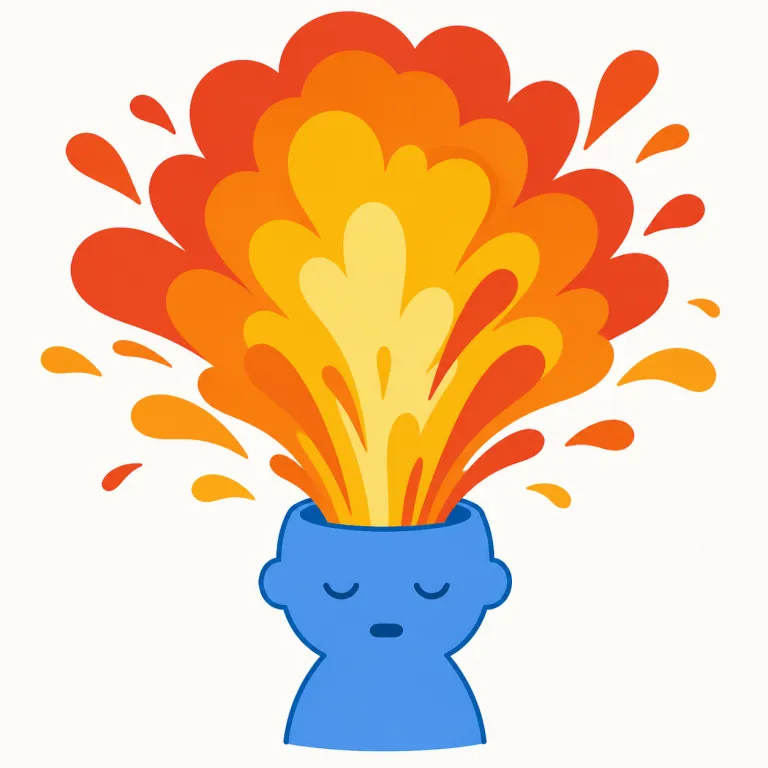
感情や反応が突然激しく表れること。怒りや喜びなど抑えきれない気持ちが噴き出す様子を指す。通常は短時間で終わるが、周囲に強い印象を残す。
An outburst is a sudden strong expression of emotion, such as anger, laughter, or crying. It usually happens quickly and with little control. The word is often used when someone reacts in an intense or unexpected way.
覚え方のコツ Memory Tip
burst を「破裂する」と知っていれば、outburst は「内側にたまったものが外へ一気に破れる感じ」と押さえると残りやすい。burst out laughing の burst out と結びつけると、突然ふき出す動きが見える。名詞では an outburst of anger / laughter / tears が頻出で、物理的な爆発より感情や反応の噴出に寄る語。長く続く怒りではなく、短時間に激しく表れる点が核心。outbreak は病気・戦争などの発生なので区別したい。
Focus on `burst`, which gives the idea of something breaking out suddenly. The prefix `out-` adds the image of pressure coming from inside and pushing outward fast. It is often used in patterns like `an outburst of anger` or `an outburst of laughter`, so remember it as a sudden emotional explosion.
例文
His emotional outburst surprised everyone at the meeting.
彼が感情を爆発させたことは、会議にいた全員を驚かせた。
The outburst of anger was justified given the situation.
突然怒りを爆発させたのも、その状況を考えれば無理はなかった。
She could not control her outburst of laughter.
彼女はこみ上げる笑いを抑えることができなかった。
えいたんごクイズでの正答率
この語をはじめて出題された 49人 のうち 46人 が正解しました(94%)。
えいたんごクイズの回答から集計した独自データです。1人につき最初に出題されたときの1回だけを数えており、復習や2回目以降の回答、「わからない」と時間切れは含みません。 集計時点は 2026年9月19日 です。
激発
(意味 2)
解説 Definition
主に怒り・悲しみ・興奮などの感情が、抑えきれずに急に表に出ることを表す名詞です。人の反応や言動について使われ、会議・家庭・試合中などでの突然の感情の噴出を述べるときに典型的です。
A sudden and forceful expression of emotion that a person cannot contain. It commonly involves anger, grief, excitement, laughter, or tears and usually lasts only a short time.
例文
His angry outburst shocked everyone in the meeting.
彼が怒りを爆発させたので、会議にいた全員が驚いた。
She apologized for her emotional outburst later that day.
彼女はその日のうちに、感情を爆発させたことを謝った。
The coach's outburst was caught on live television.
監督が感情を爆発させた様子がテレビの生放送に映った。
outburst の類義語・関連語
outburst の語源・成り立ち Etymology
outburst は out「外へ」+ burst「破裂する」から成る語です。burst は古英語 berstan「破れる」にさかのぼり、bursting や cloudburst も同根。内側にたまった感情や力が一気に外へ破れ出る、と考えると「爆発」が絵のように理解できます。
Outburst is made from `out` and `burst`. `Burst` comes from Old English `berstan`, meaning to break or suddenly split open, and it is related to words like `cloudburst`. The image of something breaking outward helped the word develop from a physical bursting to a sudden release of emotion or force.
同じレベルの語彙をもっと
英検準1級の一覧へ →外部辞書で調べる
この英単語をクイズで覚えよう