激怒させる、憤慨させる
verb 動詞人の行為や発言が、誰かに強い怒りや道徳的憤りを抱かせることを表します。受動態 be outraged by/at ... も非常に多く、単に腹を立てさせるより、許し難いと感じさせる強い語です。
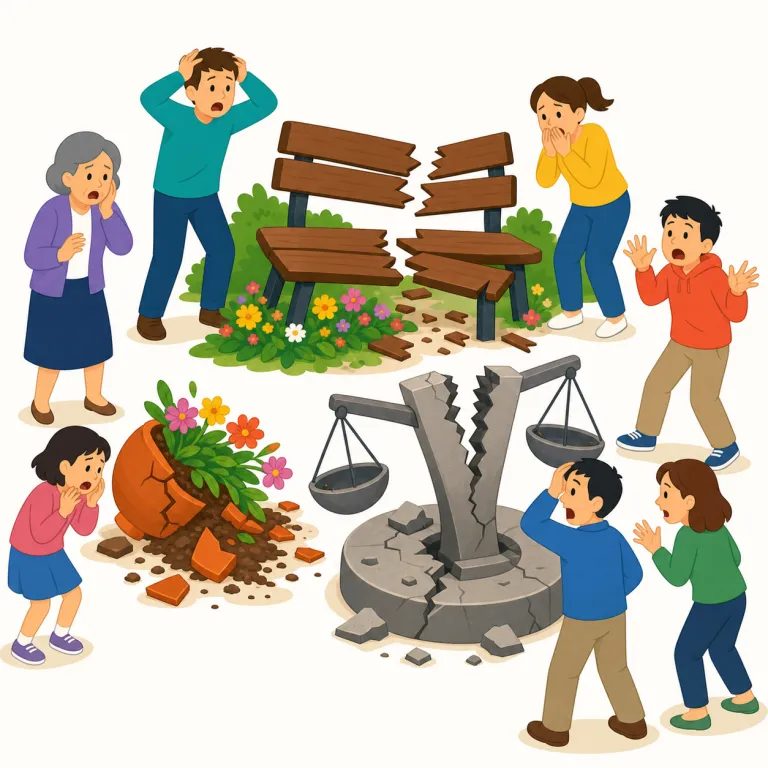
outrages はTOEIC 860・TOEFL 80・IELTS 6.5レベルの英単語で、「暴挙」という意味があります。発音記号は /ˈaʊtreɪdʒɪz/ です。
残酷、不公平、道徳的に許しがたいと受け取られ、強い怒りや衝撃を引き起こす暴挙・非道な行為を指す複数名詞です。
Outrages are shocking or extremely offensive acts, events, or behaviors. The word is used when something strongly upsets people because it seems cruel, unfair, or morally wrong. It is often seen in news, politics, and formal writing.
rage「激怒」を手掛かりに、人を激怒させるほどひどい行為を連想しましょう。outrage が一つの暴挙、outrages がその複数形です。語源ではなく、意味を思い出すための連想です。
Use rage as a memory cue for an act so shocking that it makes people furious. Outrage can name one such act; outrages is the plural. This is a memory association, not an etymology.
The series of outrages committed during the conflict shocked the international community.
紛争中に行われた一連の暴挙は国際社会に衝撃を与えた。
Citizens took to the streets to protest the government's outrages against civil liberties.
市民は政府による市民的自由の侵害という暴挙に抗議して街頭に繰り出した。
The report documented the outrages perpetrated by the regime over decades.
その報告書は数十年にわたる政権の暴挙を記録していた。
文脈によって、次の意味でも使われます。
人の行為や発言が、誰かに強い怒りや道徳的憤りを抱かせることを表します。受動態 be outraged by/at ... も非常に多く、単に腹を立てさせるより、許し難いと感じさせる強い語です。
outrages は outrage の複数形で、古フランス語 outrage に由来し、outre「越えて」+ -age から「度を越したこと」が原義です。境界を踏み越える感覚が「暴挙」へつながります。関連語に outrageous, outrageously があります。
This word is the plural of outrage, which comes from Old French outrage. It is linked to outre, meaning "beyond" or "past the limit." The basic idea was "something excessive or beyond bounds," which later became a shocking or violent act. Related words include outrageous and outrageously.
この英単語をクイズで覚えよう