acquiescence
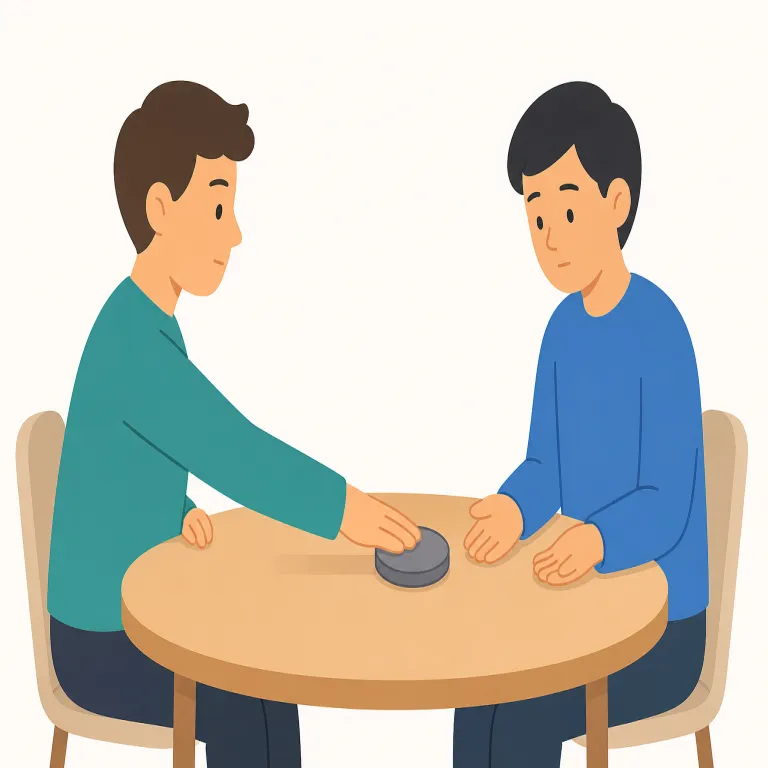
acquiescence は英検1級レベルの英単語で、「黙認」という意味があります。発音記号は /ˌækwiˈɛsəns/ です。
黙認
解説 Definition
積極的に反対せず、黙って受け入れること。消極的な同意や服従。
Acquiescence is quiet acceptance of something without arguing or resisting. It often suggests that a person agrees because they do not want to oppose the situation, not because they truly support it.
覚え方のコツ Memory Tip
まず中の quiet を連想すると覚えやすい語です。acquiescence は『賛成する』というより、『反対の声が quiet になって、そのまま受け入れてしまう』感覚。agreement や approval のような前向きな同意ではなく、不満や異論はあっても表立って抵抗しない消極的な受容です。よく権力・要求・決定に対して使われ、 silent acquiescence と結びつくと意味がはっきりします。
Think of `quiet` inside this word. `Acquiescence` feels like becoming quiet instead of openly resisting, so it is more passive than clear agreement. The collocation `silent acquiescence` is a strong memory hook.
例文
His silence was taken as acquiescence to the proposed changes.
彼の沈黙は提案された変更への黙認と受け取られた。
The committee's acquiescence allowed the controversial policy to pass without debate.
委員会の黙認により、その物議を醸す方針は議論なしに通過した。
She showed her acquiescence with a quiet nod, though she disagreed internally.
内心では反対していたが、彼女は静かにうなずいて黙認を示した。
acquiescence の類義語・関連語
acquiescence の語源・成り立ち Etymology
acquiescence はラテン語 acquiescere「静まる・異議なく休む」に由来し、ad-「〜へ」+ quies「休息」から成ります。『反対して動くのをやめる』感覚が、積極的賛成ではなく黙って受け入れる「黙認」になりました。quiet, quiescent も同じ語根です。
Acquiescence comes from Latin acquiescere, meaning "to become quiet" or "to rest without objection." It is made from ad- and quies, meaning "rest" or "quiet." The meaning shifted from becoming still to accepting something by not resisting it. Related English words include quiet and quiescent.
同じレベルの語彙をもっと
英検1級の一覧へ →外部辞書で調べる
この英単語をクイズで覚えよう