
交互の
/ verb 動詞 交代する、交互に起こる
解説 Definition
二つ以上のものが順番に入れ替わりながら現れることを表す形容詞です。曜日・色・座席配置など、AとBが一つおきに続く並びを説明するときによく使います。『代替の』ではなく、規則的な交互性に焦点があります。
Describes things that occur or are placed one after another in a regular sequence, such as A, B, A, B. It is often used for days, colors, seats, or other items arranged every other one.
覚え方のコツ Memory Tip
alternate は「A、B、A、B と一つおきに並ぶ」と置くと覚えやすい語です。alternate days なら「一日おき」、alternate seats なら「交互の席」のように、二つのものが順番に入れ替わる場面でよく出ます。alternate route のような「代替の」ではなく、この行では「隣り合うものが交互に現れる」感覚が中心。alter(変える)が見えれば、「次はもう一方に変わる」と連想できます。
Picture an A-B-A-B pattern in which each item is followed by the other one. Phrases such as “alternate days” and “alternate seats” emphasize a regular one-by-one sequence.
例文
We watered the plants on alternate days.
私たちは植物に一日おきに水をやった。
The flags were hung on alternate poles.
旗は一本おきのポールに掛けられた。
Black and white squares were arranged in an alternating pattern.
黒と白のマスが交互に並べられていた。
代替の
(意味 2)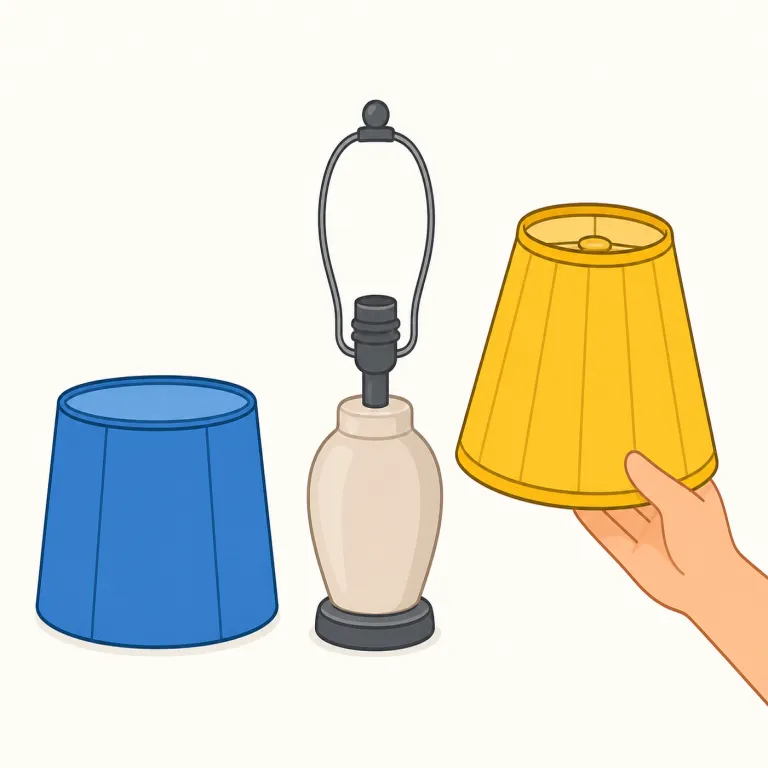
解説 Definition
複数の選択肢の中から、通常のものの代わりとして提供される、または利用できる別のものを表します。第一の選択肢に代わる代替的な選択肢や手段を示す形容詞です。
Alternate means used instead of the usual or main one. It describes another choice, method, or version that can take the place of something else. It is common in phrases like alternate route, alternate plan, or alternate design.
覚え方のコツ Memory Tip
alternate は「いつものものが使えないときに出す別案」と置くと覚えやすい語です。alternate route, alternate plan, alternate method のように、元の案の代わりとして機能する場面でよく出ます。alternative にかなり近いですが、alternate には「交互の・順番に入れ替わる」という感覚も残るので、「本命の横に置かれた別の選択肢」という像を持つと定着します。alter(変える)が見えれば、「変えて用意した別案」と連想できます。
Notice the root `alter-`, the same idea as in `alter`, meaning change. `Alternate` often appears before a noun: `alternate route`, `alternate plan`, `alternate member`. Think of it as the option you use when the first one cannot be used.
例文
An alternate route was suggested due to road construction.
道路工事のため、代替ルートが提案されました。
We need an alternate plan in case the first one fails.
最初の計画が失敗した場合に備えて、代替計画が必要です。
The alternate solution provided a more cost-effective approach.
代替ソリューションはより費用対効果の高いアプローチを提供しました。
alternate の類義語・関連語
alternate の語源・成り立ち Etymology
ラテン語 alternatus(交互にされた)が語源で、さらに alternare「一方の次に他方を置く」、alter「二者のうちもう一方」にさかのぼります。つまり「もう片方と入れ替わる」が核で、この行の「交互の」はその核をそのまま表します。関連語は alternative, alter です。
The word comes from Latin alternatus, from alternare, meaning “to place one after the other.” This is related to alter, meaning “the other of two.”
同じレベルの語彙をもっと
外部辞書で調べる
この英単語をクイズで覚えよう