意味一覧 (2件)
モンスーン
解説 Definition
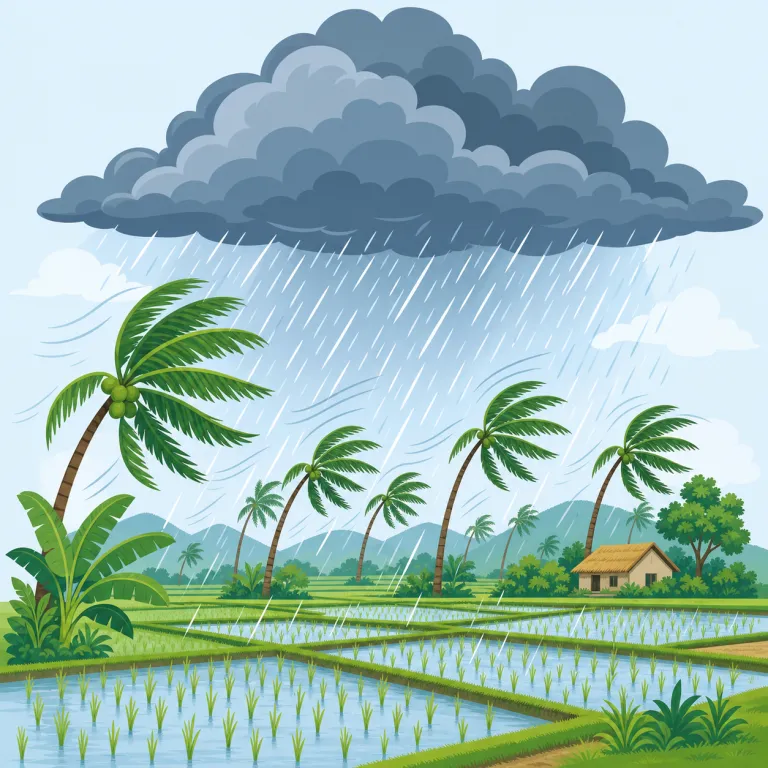
インド洋やアラビア海をはさんだ南アジアや東南アジアで季節によって風向きが逆転する現象を指す。夏になると海から大陸へ湿った風が吹き込み、広い範囲で長雨や豪雨をもたらす。冬には陸から海へ乾いた風が吹くため、乾季になることが多い。
A monsoon is a seasonal wind system that often brings a period of very heavy rain to certain regions. The word is especially used for weather patterns in South Asia and nearby areas. It can refer both to the rainy season itself and to the winds connected with it.
覚え方のコツ Memory Tip
monsoon は「大雨」そのものではなく、季節ごとに風向きが反転する大きな風のしくみとして覚えると定着しやすいです。よく monsoon rains, the summer monsoon の形で出て、夏は海から湿った風が入って長雨、冬は陸から乾いた風が吹く、という対比をセットにすると記憶に残ります。台風のような一度の嵐ではなく、南アジア・東南アジアの天候を何か月も左右する季節スケールの現象だと区別すると混同しにくいです。
Remember that a `monsoon` is not just heavy rain but a seasonal wind system. The word often comes with `monsoon rains` or `the summer monsoon`, which helps you connect it to long seasonal weather patterns. This makes it easier to separate from a single storm like a typhoon.
例文
The farmers in the region depend on the annual monsoon rains to water their crops.
その地域の農家たちは作物に水をやるために毎年のモンスーンの雨に頼っている。
The monsoon season in India typically lasts from June to September.
インドのモンスーンシーズンは通常6月から9月まで続く。
Heavy monsoon rains caused flooding in several low-lying villages near the river.
激しいモンスーンの雨が川沿いのいくつかの低地の村で洪水を引き起こした。
雨季
(意味 2)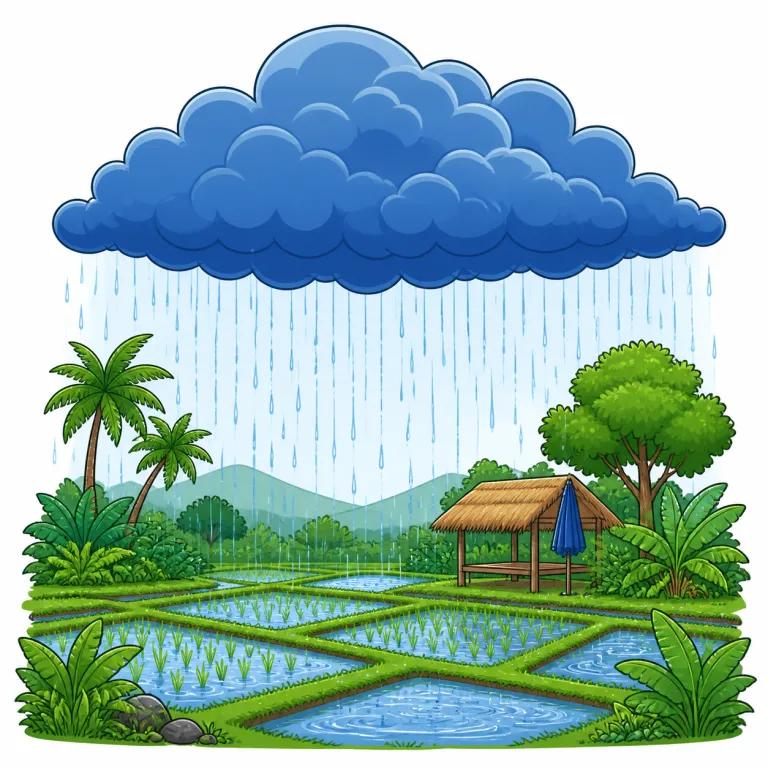
解説 Definition
特に南アジアや東南アジアなどで、毎年まとまった雨が続く季節を指す名詞です。風の仕組みそのものではなく、日常会話や報道ではその地域の長い雨の時期という意味で使われることがよくあります。
The season when a region receives heavy, continuing rainfall each year, especially in South and Southeast Asia. In everyday use, it often refers to the long rainy period rather than the wind system that causes it.
覚え方のコツ Memory Tip
monsoon は「大雨」一回ではなく、毎年決まった時期に続く長い雨の季節として覚えると定着しやすいです。特に South Asia, Southeast Asia の the monsoon は、湿った風が入り、何週間も雨が続いて道路や生活に影響する時期。風の仕組みそのものを指す monsoon「季節風」と近いですが、この語義では日常的に「雨季」として、the monsoon began, during the monsoon の形で覚えると混同しにくいです。
Think of a whole rainy season, not a single storm or downpour. Learn it in patterns such as "the monsoon began" and "during the monsoon" to keep this sense separate from the technical meaning of a seasonal wind.
例文
We arrived just before the monsoon began.
私たちは雨季が始まる直前に到着した。
Many roads become difficult to use during the monsoon.
雨季の間は多くの道路が通りにくくなる。
Farmers depend on the monsoon for their crops.
農家は作物のために雨季の雨に頼っている。
monsoon の類義語・関連語
monsoon の語源・成り立ち Etymology
monsoon はアラビア語 mawsim「季節・定まった時期」が、ポルトガル語 monção を経て英語に入った語です。「季節が来ると決まって吹く風」という発想がそのまま季節風の意味になり、Hindi mausam や monsoonal にも同じ根が見えます。
Monsoon comes from Arabic mawsim, meaning "season" or "fixed time," and reached English through Portuguese moncao. The word originally referred to something tied to a regular season. From that, it came to name the winds and weather patterns that return at a predictable time each year.
同じレベルの語彙をもっと
外部辞書で調べる
この英単語をクイズで覚えよう