
ape
ape は英検準1級レベルの英単語で、「類人猿、まねする」という意味があります。発音記号は /eɪp/ です。
意味一覧 (3件)
類人猿
解説 Definition
尾がなく、ゴリラ、チンパンジー、オランウータンなどを含む霊長類を指す名詞。monkey が一般的な「サル」を表すのに対し、ape は人に近い特徴をもつ「類人猿」を意味する。動物学や日常会話のどちらでも、この区別が重要になる。
An ape is a large primate such as a gorilla, chimpanzee, or orangutan. The word is used in biology and general discussions about animals. Unlike monkeys, apes do not have tails.
覚え方のコツ Memory Tip
ape は monkey の広い「サル」より限定的で、「しっぽがなく、人にかなり近いサル」とセットで覚えると定着しやすい語です。gorilla, chimpanzee, orangutan などを思い浮かべると像が固まります。さらに動詞 ape に「まねをする」があるので、「人まねをするほど人間に近い猿」という連想も有効です。monkey は一般名、ape は類人猿という分類差を意識すると混同しにくくなります。
Do not group `ape` with every kind of monkey. Think of the more human-like animals without tails, such as a gorilla or chimpanzee. A useful hook is the verb `ape`, meaning "copy," which connects to the idea of an animal close to humans.
例文
The ape reached out carefully to take the banana from the keeper.
その類人猿は飼育員からバナナを受け取ろうと、慎重に手を伸ばした。
The ape used a stick to get insects from a hole.
その類人猿は棒を使って穴から虫を取り出した。
The ape used its hands to communicate with visitors.
その類人猿は手振りで来園者と意思を伝え合った。
まねする
(意味 2)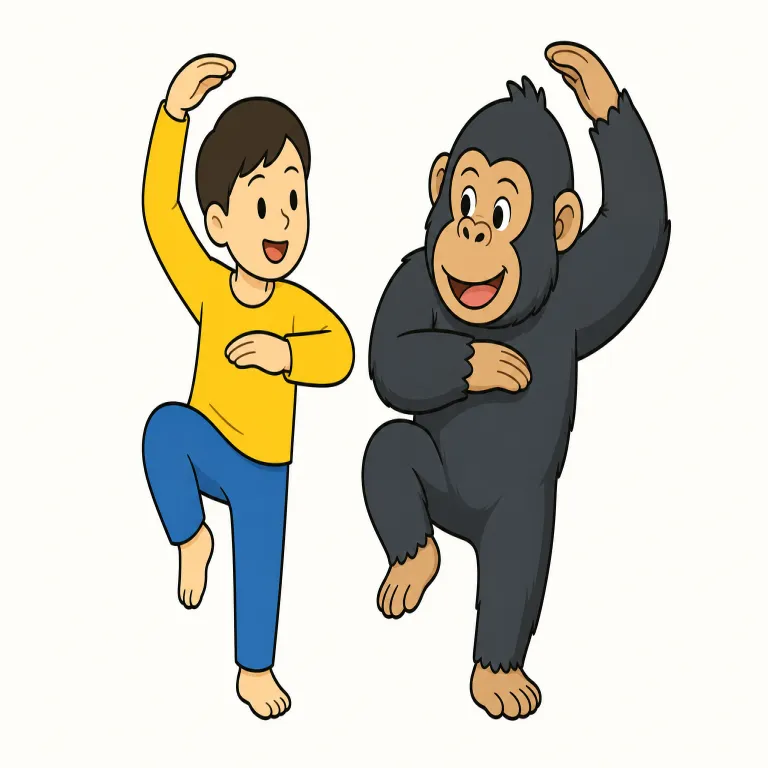
解説 Definition
人の話し方・服装・ふるまいなどを、そのまままねすることを表す動詞。尊敬して手本にする場面でも使えるが、独自性がなく表面的にコピーしているという、やや批判的な響きを帯びることが多い。芸能人や有名ブランドをまねる文脈でもよく使う。
To copy another person's speech, clothing, or behavior closely. It often expresses criticism by suggesting that the copying is superficial or lacks originality.
例文
The trainee began to ape her supervisor's formal speaking style.
その研修生は上司の堅苦しい話し方をまねし始めました。
Rather than develop an original design, the studio aped its competitor's look.
その制作会社は独自のデザインを生み出さず、競合相手の外観をまねしました。
She can ape the host's gestures so closely that everyone recognizes the impression.
彼女は司会者のしぐさをそっくりまねできるので、誰の物まねかすぐに伝わります。
まねする
(意味 3)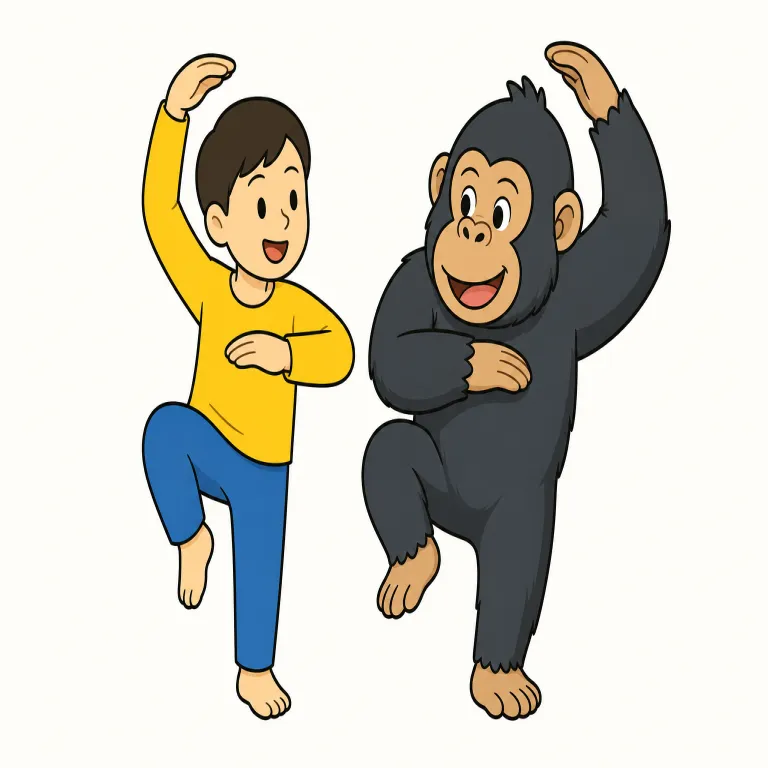
解説 Definition
人の話し方・服装・ふるまいなどを、そのまままねすることを表す動詞。尊敬して手本にする場面でも使えるが、独自性がなく表面的にコピーしているという、やや批判的な響きを帯びることが多い。芸能人や有名ブランドをまねる文脈でもよく使う。
This verb means to copy another person's speech, clothing, gestures, or behavior. It often suggests superficial imitation or a lack of originality and can therefore sound mildly critical.
覚え方のコツ Memory Tip
ape は名詞では「類人猿」ですが、動詞では「猿のように人まねをする」と考えると定着しやすい語です。ここでは gorilla や chimpanzee そのものではなく、話し方・しぐさ・服装をそっくりまねる動作が中心。imitate よりも、独自性なく表面的にコピーする少し批判的な響きが出やすいです。舞台で有名人の動きを大げさにまねる映像で覚えると、名詞用法とも切り分けられます。
The same spelling is a noun for a type of primate, so picture an animal copying a person's movements. For this verb sense, focus on someone copying another person's style or behavior rather than on the animal itself.
例文
Young performers sometimes ape their favorite actors' delivery.
若い演者は、憧れの俳優のせりふ回しをまねすることがあります。
The new café apes the decor of a successful chain.
その新しいカフェは、人気チェーン店の内装をまねています。
His attempt to ape the instructor's calm manner felt forced.
講師の落ち着いた振る舞いをまねようとする彼の様子は、わざとらしく見えました。
ape の類義語・関連語
ape の語源・成り立ち Etymology
ape は古英語 apa にさかのぼるゲルマン系の語で、語源的な接頭辞・接尾辞の分解はありません。関連語の apish や動詞 ape は同じ核から生まれ、「猿のような」「まねをする」へ広がったので、猿が模倣の象徴になった流れまで見える語です。
Ape goes back to Old English apa and belongs to an old Germanic word family. It is not built from clear smaller parts in modern English. From the animal name came apish, meaning "like an ape," and the verb ape, "to imitate." That later verb reflects the old idea of apes as creatures that copy what they see.
同じレベルの語彙をもっと
英検準1級の一覧へ →外部辞書で調べる
この英単語をクイズで覚えよう