いたずらっ子
noun 名詞いたずら好きな子供や人を、くだけて、しばしば親しみを込めて呼ぶ語です。little monkey の形でもよく使われますが、文脈や相手によっては失礼に響くことがあるため注意が必要です。
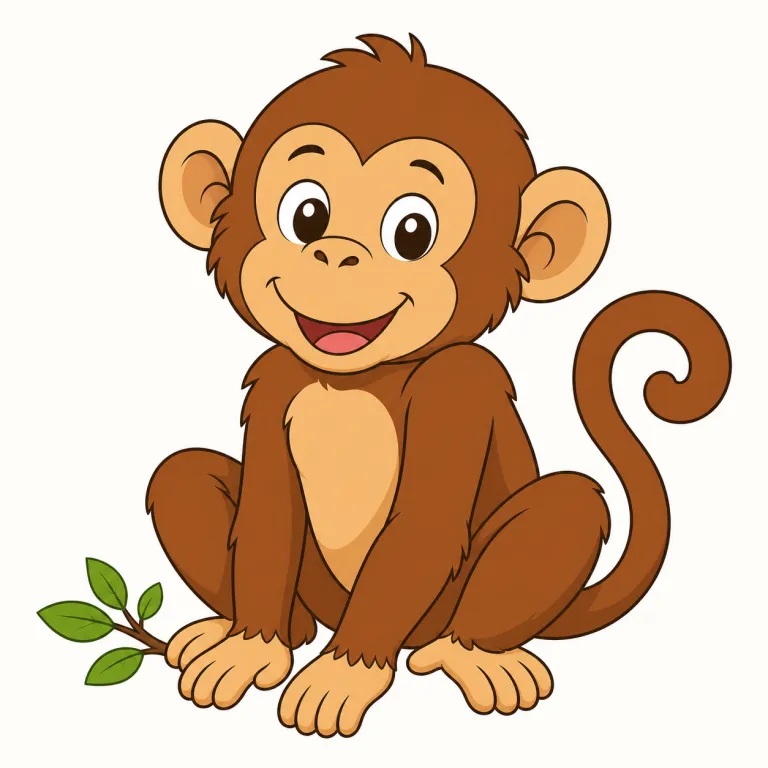
monkey は英検5級・英検6級レベルの英単語で、「猿」という意味があります。発音記号は /ˈmʌŋki/ です。
賢く、人間のような行動をする動物。自然界では樹上生活者で、群れで生活することが多い。
A monkey is an animal that has a long tail in many species and is related to apes and humans. Monkeys usually live in warm regions and are known for being active, social, and clever.
monkey は動物名の基本語として覚えるだけでなく、「まねる・ちょこまか動く」イメージを一緒に持つと定着しやすい。ことわざ風の monkey see, monkey do は「見たまねをする」で、猿の行動像と結びつく。似た語の ape との区別も重要で、monkey はふつう尾のある仲間、ape は gorilla や chimpanzee のように尾がない。さらに monkey around は「ふざける」、monkey with は「いじくる」で、落ち着かず手を出す感じまでまとめて覚えると強い。
Remember `monkey` with the image of copying and moving around quickly. The phrase `monkey see, monkey do` is a strong memory hook because it connects the word with imitation. It also helps to contrast it with `ape`, which is a different group of animals.
A monkey eats a banana.
猿がバナナを食べます。
The monkey climbs a tree.
その猿は木に登ります。
A monkey sits by me.
猿が私のそばに座ります。
この語をはじめて出題された 34人 のうち 33人 が正解しました(97%)。
えいたんごクイズの回答から集計した独自データです。1人につき最初に出題されたときの1回だけを数えており、復習や2回目以降の回答、「わからない」と時間切れは含みません。 集計時点は 2026年9月19日 です。
文脈によって、次の意味でも使われます。
いたずら好きな子供や人を、くだけて、しばしば親しみを込めて呼ぶ語です。little monkey の形でもよく使われますが、文脈や相手によっては失礼に響くことがあるため注意が必要です。
monkey は語源不詳だが、中低地ドイツ語系 Moneke やフランス語 monne に連なる説が有力です。はっきりした接頭辞分解はなく、愛称めいた形がそのまま語になった感触で、関連語 monkeyshine や mock に『まねる・ふざける』像が残ります。
The origin of "monkey" is uncertain, but it may come from Middle Low German "Moneke" or a similar French form. It seems to have started as a name-like or playful form rather than a clear compound. Later English words such as "monkeyshine" kept the feeling of playful, foolish, or imitating behavior.
この英単語をクイズで覚えよう