宥和
解説 Definition
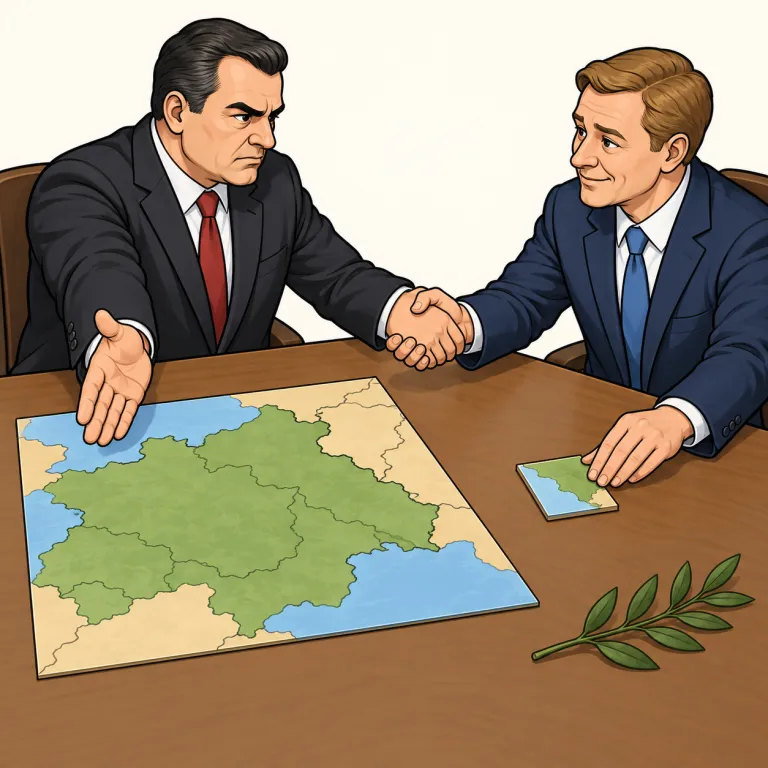
宥和とは、相手の要求を一部認めて紛争や対立を避けようとする政策や態度のことです。譲歩や妥協によって平和を保とうとする外交戦略です。
Appeasement is the act of trying to prevent conflict by giving someone what they want or by avoiding opposition. It is often used in politics, especially when discussing weak responses to aggressive actions. The word can suggest that this strategy is too soft or short-sighted.
覚え方のコツ Memory Tip
appeasement はまず appease「なだめる」を知ると覚えやすいです。語尾 -ment は develop→development と同じで「行為・結果」を表すので、「なだめること→宥和」とつながります。peace を連想すると、対立を静めて平和を保とうとする場面に置きやすいです。特に appeasement policy が頻出。agreement が単なる合意、compromise が歩み寄りなのに対し、appeasement は相手に譲ってでも衝突を避ける含みが強く、後ろ向きに評価されることもあると覚えると定着します。
Start from the verb "appease," meaning to calm or satisfy someone. The ending "-ment" turns it into the act or result, so "appeasement" is the policy or practice of calming conflict by giving in. It is often used in history and politics, especially in "appeasement policy," and can sound negative.
例文
The policy of appeasement failed to prevent World War II.
宥和政策は第二次世界大戦を防ぐことに失敗しました。
Some critics argue that appeasement is not always the best approach.
宥和が常に最良のアプローチではないと主張する批判者もいます。
The government attempted appeasement to avoid escalating the conflict.
政府は紛争の激化を避けるために宥和を試みました。
appeasement の類義語・関連語
対義語
派生語
appeasement の語源・成り立ち Etymology
appeasement は appease「なだめる」に名詞語尾 -ment が付いた語で、appease は古フランス語 apaisier、さらにラテン語 pax「平和」にさかのぼります。peace や pacify も同根で、「争いを静めて平和に近づけること」が宥和の核心だと見えてきます。
Appeasement comes from appease plus the noun ending -ment. Appease comes through Old French from Latin pax, meaning "peace," the same root seen in peace and pacify. The word originally carried the idea of making things peaceful, and later came to mean calming conflict by giving in or making concessions.
同じレベルの語彙をもっと
外部辞書で調べる
この英単語をクイズで覚えよう