意味一覧 (2件)
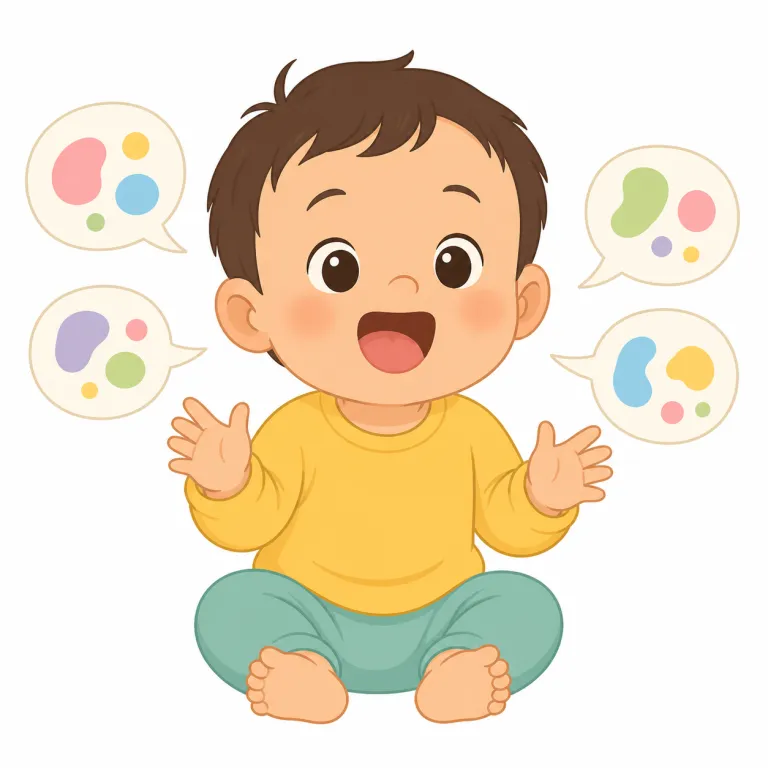
喃語を話す、たわいなくしゃべる
解説 Definition
赤ちゃんが意味のある語になる前の音を繰り返して喃語を話すこと、また大人が中身のないことを早口でたわいなくしゃべることを表す。聞き手にとっては、とりとめがなく要点のない話し方だという含みを持つ動詞。
To babble means to talk quickly in a way that is unclear, silly, or hard to understand. It can describe a baby making early speech sounds or an adult speaking too much without saying anything important.
覚え方のコツ Memory Tip
baby が ba-ba-ba とまだ意味にならない音を出している場面を思い浮かべると覚えやすいです。babble は、内容よりも「口が止まらず、まとまりなく出てくる」感じが中心。talk は中立、chat は気軽なおしゃべり、ramble は話が脱線する、babble は聞き手から見ると幼く不明瞭で中身が薄い響きがあります。babble on で「だらだらしゃべり続ける」、babbling brook は水がさらさら音を立てる表現でも出るので、「意味がはっきりしない音が流れ続ける」イメージでまとめると定着します。
Think of a baby saying `ba-ba-ba` without clear meaning. `Babble` is about sounds or words that keep coming out in a loose, unclear way. Remember common patterns like `babble on` and even `a babbling brook`, where the idea is a continuous flow of sound.
例文
The baby began to babble and make cooing sounds as it discovered its voice.
赤ちゃんは自分の声に気づくと、喃語を話し始め、クーイングのような音も出した。
The toddler would babble happily in her crib, entertained by her own sounds.
その幼児はベビーベッドの中で、自分の出す音を楽しみながらごきげんに喃語を話していた。
He kept babbling about things that didn't matter.
彼はどうでもいいことをいつまでもたわいなくしゃべり続けた。
意味のないことをしゃべる
(意味 2)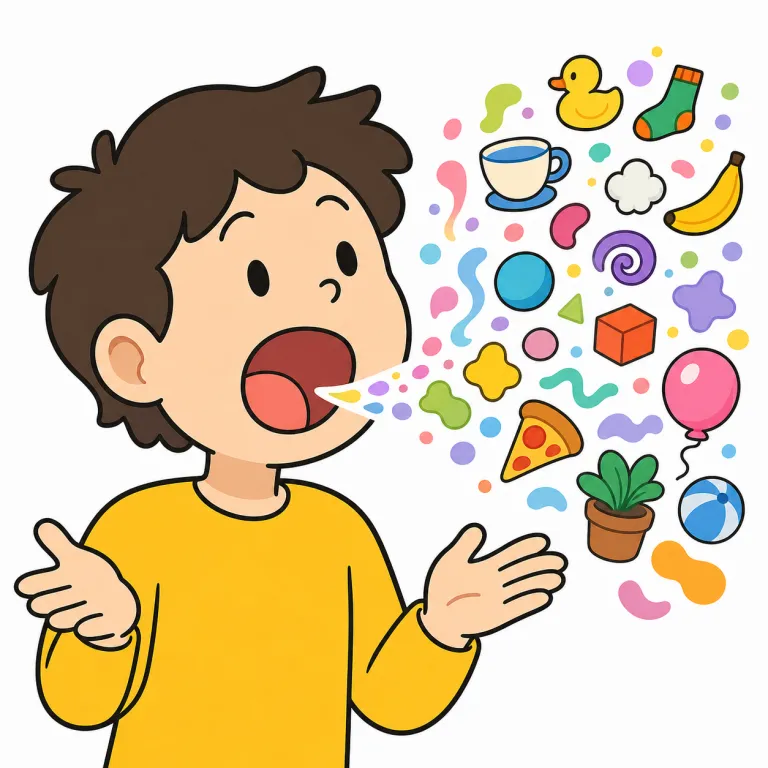
解説 Definition
「babble」は、赤ちゃんが意味のはっきりしない声を出したり、大人が興奮や緊張でまとまりのないことを早口でしゃべったりすることを表す動詞です。相手にきちんと伝えるというより、口が止まらずにぺらぺら話してしまう感じがあります。
To babble means to talk in a quick, unclear, or meaningless way. It is often used when someone is nervous, excited, or speaking without thinking carefully. It can also suggest childish or foolish talk.
覚え方のコツ Memory Tip
まず baby を思い出すと定着しやすい語です。babble は赤ちゃんのように、意味より音が先にあふれる感じの「ばぶばぶした話し方」。きちんと伝える speak や talk と違い、内容がまとまらず、興奮・緊張で口が止まらない場面に合います。blabber も近く、「余計なことまでべらべら話す」側に寄りがち。babbling brook なら、水が絶えずさらさら鳴るイメージで覚えると、音が流れ続ける核がつかめます。
Think of a baby saying many sounds before clear words come out. `Babble` feels like talk that keeps flowing, but without clear structure. It also appears in `babbling brook`, so remember the idea of a constant soft stream of sound.
例文
The baby began to babble with excitement and joy.
その赤ちゃんは興奮してうれしそうに、意味のはっきりしない声を出し始めた。
She tends to babble when she gets nervous.
彼女は緊張すると、わけのわからないことを早口でしゃべりがちだ。
The children babbled happily as they played together.
子どもたちは一緒に遊びながら、楽しそうに口々にしゃべっていた。
babble の類義語・関連語
類義語
派生語
babble の語源・成り立ち Etymology
babble は中英語 babeln にさかのぼり、古フランス語 babillier など西欧諸語の類語と並ぶ、赤ん坊の発声まね由来の擬音語と考えられます。語根 bab- が「ばばばと不明瞭にしゃべる」感じを表し、babbling や babbler も同系です。だから「意味のはっきりしないおしゃべり」になるわけです。
This word goes back to Middle English "babeln" and is probably imitative in origin, copying the sound of confused or childish speech. Similar forms existed in French and other European languages, built on a root like "bab-." From the idea of making repeated meaningless sounds, it developed into the sense of talking in a foolish or unclear way.
同じレベルの語彙をもっと
外部辞書で調べる
この英単語をクイズで覚えよう