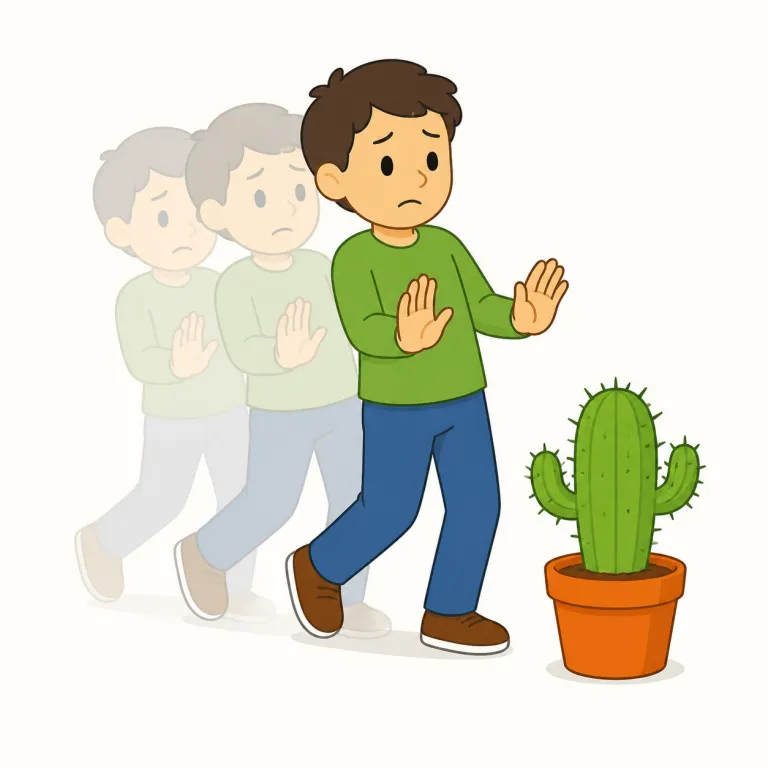
back away
back away は英検1級レベルの英熟語で、「後退する、手を引く、ひるむ」という意味があります。発音記号は /bæk əˈweɪ/ です。
後退する
解説 Definition
「back away」は、恐れや反対のために後退したり、支持していたことを取りやめたりする動作を指す。物理的に後ずさることにも、態度や立場を変えることにも使われる。
This phrasal verb means to move backward, usually because of fear, danger, or uncertainty. It can also mean to stop supporting something or to avoid deeper involvement in a situation. It is used in both physical and figurative contexts.
覚え方のコツ Memory Tip
back は「後ろ」、away は「離れて」。合わせて「後ろへ離れる」と置くと、まず物理的に“後ずさりする”絵が浮かびます。そこから、議論や約束、支持していた立場から一歩引く意味にも広がると覚えると定着しやすいです。go back が単に戻る、step back が距離を置いて考える、back out が約束を取りやめる、に対し、back away は恐れ・圧力で引く感じが強いです。人や相手の要求から back away、an investor backed away from the deal のような場面で結びつけると覚えやすいです。
`Back` means to the rear, and `away` means creating distance. Put them together and picture someone physically moving backward from danger. That image also helps you remember the wider meaning: pulling away from a plan, promise, or position because of fear or pressure.
例文
The dog backed away when I raised my hand.
私が手を上げると犬は後ずさりした。
Investors backed away from the deal after the legal risks emerged.
法的リスクが浮上した後、投資家はその取引から手を引いた。
Do not back away just because the discussion becomes difficult.
話し合いが難しくなったというだけで、引いてはいけません。
手を引く
(意味 2)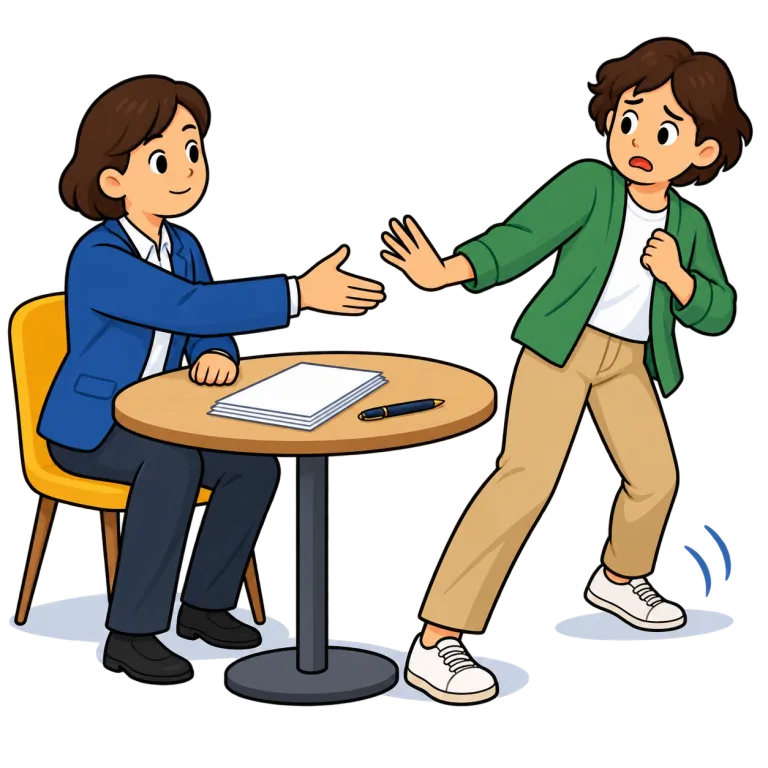
解説 Definition
いったん示した約束や計画、提案への関与をやめるときに使います。特に責任を負いたくなくなったり、反対や不安が出てきたりして、前に進める立場から退く場面でよく用いられます。
This means to withdraw from a plan, proposal, commitment, or deal after previously showing support or involvement. It often happens because of fear, pressure, opposition, or concern about responsibility.
例文
The investor backed away from the deal at the last minute.
その投資家は土壇場でその取引から手を引いた。
She backed away from her commitment after hearing the cost.
彼女は費用を聞いたあと、その約束から手を引いた。
They backed away from the proposal when criticism grew.
批判が強まると、彼らはその提案から手を引いた。
ひるむ
(意味 3)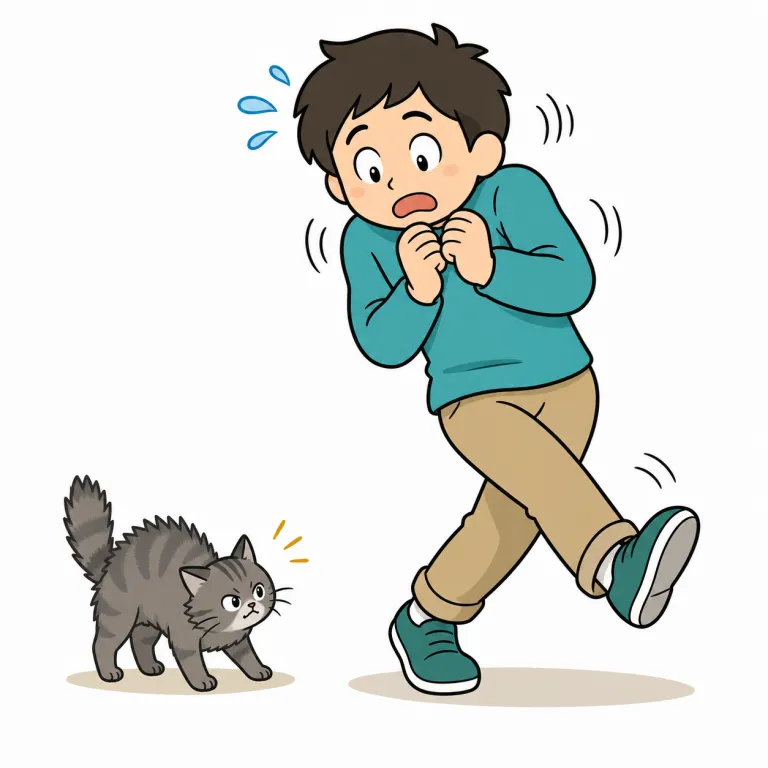
解説 Definition
怖さや圧力、相手の強い反応などに直面して、急に自信を失って尻込みすることを表します。実際に後ろへ下がることよりも、気持ちの上で勢いが弱まり、行動をためらうニュアンスが中心です。
To lose confidence and hesitate when facing fear, pressure, or a strong reaction. It mainly suggests mentally pulling back from an intended action rather than physically moving backward.
例文
He backed away when his boss strongly opposed the idea.
上司にその案を強く反対されると、彼はひるんだ。
She didn't back away from the challenge.
彼女はその挑戦を前にしてもひるまなかった。
The witness backed away under pressure from the crowd.
その証人は群衆の圧力にひるんだ。
back away の類義語・関連語
back away の語源・成り立ち Etymology
backは古英語bæc(背中)、awayは古英語on weg(道の上に→離れて)から。背中側へ道を離れていくイメージで「後退する」。関連語:backward(後方へ)、pathway(小道)。物理的な後ずさりから、交渉や立場からの撤退にも比喩的に使われる。
Back comes from Old English b\u00e6c, meaning "back" or "rear," and away comes from Old English on weg, literally "on the way" and later "off" or "at a distance." Together, back away first gave the image of moving backward from something. It later widened to mean withdrawing from a promise, position, or conflict.
同じレベルの語彙をもっと
英検1級の一覧へ →外部辞書で調べる
この英熟語をクイズで覚えよう