えいたんごクイズ

belligerent

/bəˈlɪdʒərənt/

belligerent は英検1級レベルの英単語で、「けんか腰の、好戦的な、敵対的な」という意味があります。発音記号は /bəˈlɪdʒərənt/ です。

意味一覧 (4件)

adjective

けんかごし

解説 Definition

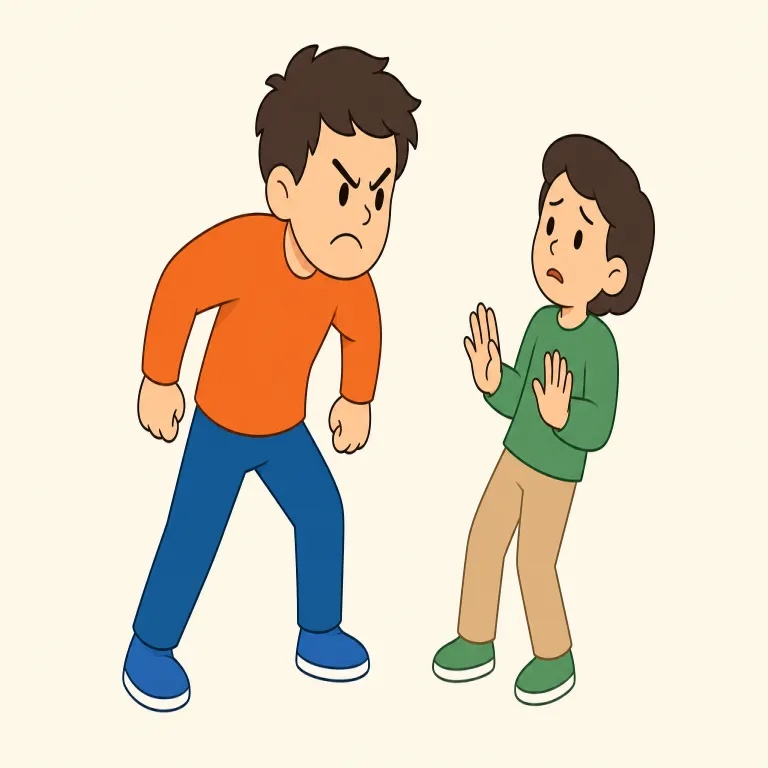
人の口調・態度・返答が、相手に突っかかってすぐ口論になりそうな様子を表します。会議、質問への反応、酔った人のふるまいなどで使い、単に不機嫌というより攻撃的に争う構えがある語です。

Belligerent describes a person's tone, attitude, or reply when they seem ready to argue or fight. It is often used for the way someone speaks in a meeting, answers a question, or behaves when angry or drunk. It means more than simply being in a bad mood, because it suggests an openly aggressive and confrontational attitude.

覚え方のコツ Memory Tip

aggressivehostile の近くに置くと覚えやすい語ですが、belligerent は特に「今にも口論や衝突を始めそうな態度」を表します。a belligerent tone / attitude / response のように、声の調子や返答に付きやすいのが目印です。別エントリの「好戦的な」は戦争・対立姿勢寄りですが、この基本義では日常の会話で相手に突っかかる感じを中心に押さえます。

Think of belligerent as close to aggressive or hostile, but with a special feeling of being ready to start an argument right now. It often appears with words like tone, attitude, and response. That pattern can help you remember that belligerent is not just angry, but openly confrontational.

例文

His belligerent tone turned a simple discussion into an argument.

彼のけんか腰の口調のせいで、ただの話し合いが口論になった。

The customer became belligerent when the staff asked him to wait his turn.

店員に順番を待つよう言われると、その客はけんか腰になった。

After a few drinks, she grew increasingly belligerent with everyone around her.

酒が入ると、彼女は周りの人みんなにますますけんか腰になった。

adjective

好戦的こうせんてき

(意味 2)

解説 Definition

戦争や争いを好むかのような攻撃的な姿勢を指す語で、相手に対してけんか腰な態度を取ることを含みます。威圧的で反発的な言動を伴うことが多く、対話より衝突を選びがちな態度の様子を表します。

Belligerent means angry, aggressive, and ready to fight or argue. It is used for people, behavior, or attitudes that seem hostile and likely to cause conflict.

覚え方のコツ Memory Tip

このエントリでは belligerent を「けんか腰の」という日常的な態度ではなく、戦争や武力衝突に向かう「好戦的な」姿勢として覚えます。語源の bellum「戦争」を手がかりに、a belligerent nation / stance / policy のように国・政府・外交姿勢と結び付けると定着しやすいです。aggressive より軍事的・国際関係的な響きが出る用法だと区別してください。

Put this word near `aggressive` and `hostile`, but make it more specific. `Belligerent` often describes a tone or attitude that feels ready to start a fight. Remember the common pair `belligerent tone` and think of arguments, meetings, or negotiations, not only actual war.

例文

His belligerent tone made others uncomfortable during the meeting.

会議中の彼の好戦的な口調は、他の人を不快にさせました。

The two nations took a belligerent stance toward each other.

2つの国は互いに好戦的な態度を取りました。

She responded with a belligerent attitude when questioned about her actions.

彼女は自分の行動について質問されたとき、好戦的な態度で応答しました。

adjective

敵対てきたいてき

(意味 3)

解説 Definition

人の態度や話し方が、相手に食ってかかるようで敵意を含んでいることを表す。会議や接客、ネット上のやり取りなど、戦争ではない日常場面での攻撃的・けんか腰な反応に使われる。単に強気というより、対立をあおる不穏さを含む。

Belligerent describes a person's tone, attitude, or way of speaking when it sounds openly hostile and ready to start a fight. It is often used in everyday situations such as meetings, customer service, arguments, or online exchanges, not only in war-related contexts. Compared with simply being confident or forceful, belligerent suggests an aggressive, confrontational mood that makes conflict more likely.

覚え方のコツ Memory Tip

まず aggressivehostile の仲間として置くと覚えやすい語です。belligerent は「単に強気」「偉そう」ではなく、すぐ fight になりそうな、けんか腰・敵対的という感じ。a belligerent tone / attitude の形で、人の話し方や態度によく付きます。戦争そのものより、会議・交渉・口論でも使える点が重要。arrogant が上から目線、aggressive が広く攻撃的なのに対し、belligerent は相手に突っかかる空気まで含む語だと押さえると残りやすいです。

It helps to learn belligerent next to words like aggressive and hostile. But belligerent is not just "strong" or "bossy"; it suggests a tone or attitude that feels ready to turn into a fight. You will often see it in phrases like a belligerent tone or a belligerent attitude. Remember that arrogant sounds superior and aggressive is broader, while belligerent includes a clear sense of picking a fight.

例文

He became belligerent when the manager asked him a simple question.

店長が簡単な質問をしただけで、彼は敵対的な態度になった。

The meeting grew tense after her belligerent comments toward the other team.

相手チームへの彼女の敵対的な発言のせいで、会議は緊張した。

Online discussions can turn belligerent very quickly if no one tries to calm things down.

誰も場を落ち着かせようとしないと、ネット上の議論はすぐ敵対的になりうる。

adjective

好戦的こうせんてき

(意味 4)

解説 Definition

戦争や紛争に参加している、または敵対的で好戦的である態度や姿勢。

例文

The two belligerent nations finally signed a peace treaty.

その2つの交戦中の国はついに平和条約に署名した。

The belligerent attitude of the speaker offended many people in the audience.

その講演者の好戦的な態度は聴衆の多くの人々を不愉快にした。

During the conflict, multiple belligerent parties were involved.

紛争中、複数の交戦中の当事者が関与していた。

belligerent の語源・成り立ち Etymology

ラテン語 belligerare「戦争をする」に由来し、bellum「戦争」+ gerere「行う・担う」から成ります。戦う構えから、日常の態度にも広がりました。

Belligerent comes from the Latin verb belligerare, which meant "to wage war." It is built from bellum, meaning "war," and gerere, meaning "to carry on" or "to do." From the idea of being ready for war, the word later came to describe an aggressive attitude in everyday situations.

外部辞書で調べる

この単語をシェア

この単語を英単語クイズで覚えよう