bode
bode は英検1級レベルの英単語で、「前兆となる」という意味があります。発音記号は /boʊd/ です。
前兆となる
解説 Definition
何かがこれから起こることについて良い方向の出来事を暗示する場合にも、悪い方向の出来事を示唆する場合にも使われる動詞です。目の前の状態からその後の展開の吉兆や凶兆を予想するときに用いられます。文脈によって「良い前兆になる」「悪い前兆になる」と訳されます。
If something bodes a certain result, it is a sign that this result may happen in the future. The word is often used when talking about signs of success, trouble, or change. It is common in formal writing and news language.
覚え方のコツ Memory Tip
単独で覚えるより、定番の bode well / bode ill をセットで入れると残りやすい語です。well なら「良い前触れ」、ill なら「悪い前触れ」。つまり bode は「予言する」というより、今見えている兆候が先の展開を示す感覚でつかむと定着します。主語は人よりも sign, result, trend などの“兆候そのもの”になりやすい点も重要です。forebode を見たら fore- で「前もって」、bode で「不吉な展開を示す」と広げて覚えると混乱しません。
Learn it with the fixed phrases bode well and bode ill. That helps you feel that bode is about signs showing what may happen next, not a direct prediction. It often goes with things like signs, results, or trends rather than people. You can also connect it with forebode, where fore- adds the idea of "before."
例文
The calm weather bodes well for the outdoor concert.
穏やかな天気は屋外コンサートにとって良い前兆になる。
Her steady progress bodes well for the upcoming exam.
彼女が着実に力をつけているので、次の試験でも良い結果が期待できる。
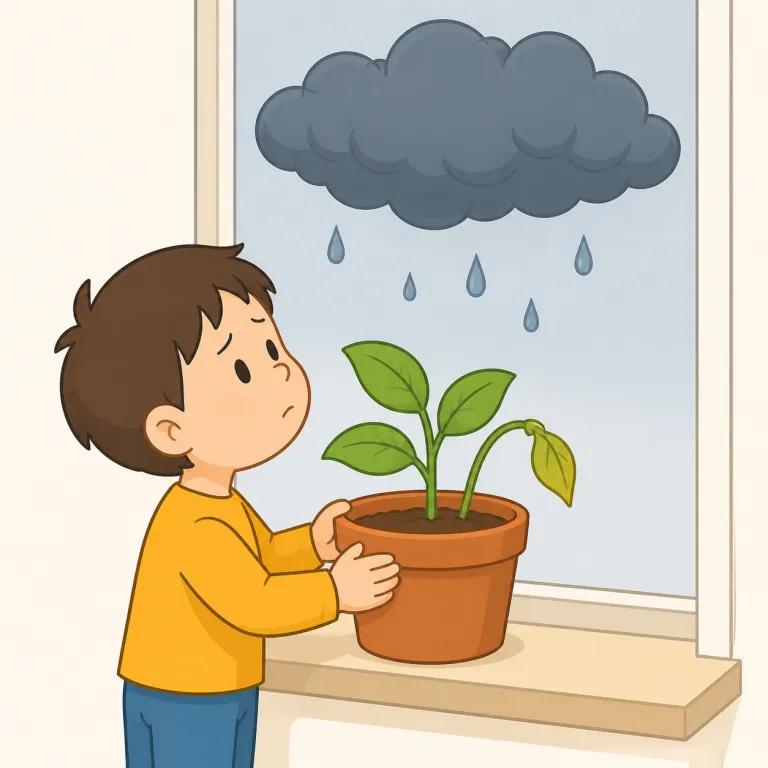
Dark storm clouds usually bode ill for boaters.
黒い嵐雲は通常、船に乗る人々にとって悪い前兆となる。
bode の類義語・関連語
bode の語源・成り立ち Etymology
bode は古英語 bodian「告げる・予告する」に由来し、さらに「使者」を表す語と同系です。もとは単に「知らせる」でしたが、「これから起こることを告げる」から現在の「前兆となる」へ意味が絞られました。関連語は forebode, boding。
Bode comes from Old English bodian, meaning "to announce" or "to foretell," and it is related to old words for a messenger. At first it meant simply to tell or report something. Later it became more specific, referring to a sign that tells what is going to happen, as in forebode and boding.
同じレベルの英単語をもっと
英検1級の一覧へ →外部辞書で調べる
この単語を英単語クイズで覚えよう