ぬかるんだ
解説 Definition
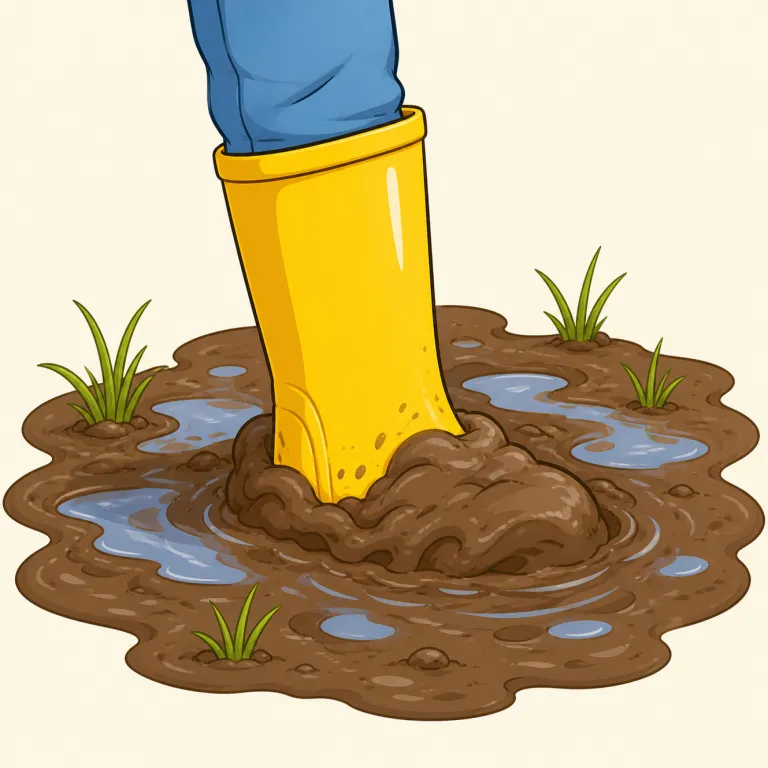
地面が水を含んでぬかるんでいる、湿地のような状態。
Boggy describes land that is very wet, soft, and muddy, like a bog. Boggy ground is often difficult to walk or drive on because it can sink or hold water. The word is mainly used to describe natural areas and soil conditions.
覚え方のコツ Memory Tip
bog を知っていれば boggy は「沼っぽい」と素直に取れる。-y は rainy, dusty, muddy と同じく「〜の多い・〜っぽい」を作る形で、名詞から形容詞になるパターンとして覚えると応用が利く。muddy が「泥でぬかるむ」、swampy が「湿地帯らしくじめじめした」なら、boggy は足を踏み入れるとずぶっと沈みそうな水気の多い地面の感じ。a boggy field, boggy ground の形で固め、foggy と見間違えないよう注意。
`Boggy` comes from `bog`, so keep the base word in mind. A `boggy` place is land that feels naturally wet, soft, and easy to sink into. Watch the spelling too: `boggy`, not `buggy` or `baggy`.
例文
The hikers struggled to cross the boggy terrain after days of rain.
何日も雨が降った後、ハイカーたちはぬかるんだ場所を通り抜けるのに苦労した。
The boggy ground near the river made it impossible to set up camp.
川の近くは地面がぬかるんでいて、テントを張ることができなかった。
Rare plant species thrive in the boggy conditions of the highland moor.
珍しい植物種が高地の湿原のぬかるんだ環境で繁茂している。
boggy の類義語・関連語
boggy の語源・成り立ち Etymology
boggy はアイルランド語系の bogach「柔らかい・ぬかるんだ」が英語 bog「沼地」になり、形容詞語尾 -y が付いた語。bog や bogland と同根で、地面が水を含んで沈む感触が「じめじめした、沼地の」という意味につながる。
Boggy comes from bog with the adjective ending -y. Bog entered English from Irish or a related Celtic language, where it referred to soft, wet ground. So boggy developed the meaning "full of bog" or "like a bog," keeping the feeling of land that is wet, soft, and sinking.
同じレベルの語彙をもっと
外部辞書で調べる
この英単語をクイズで覚えよう