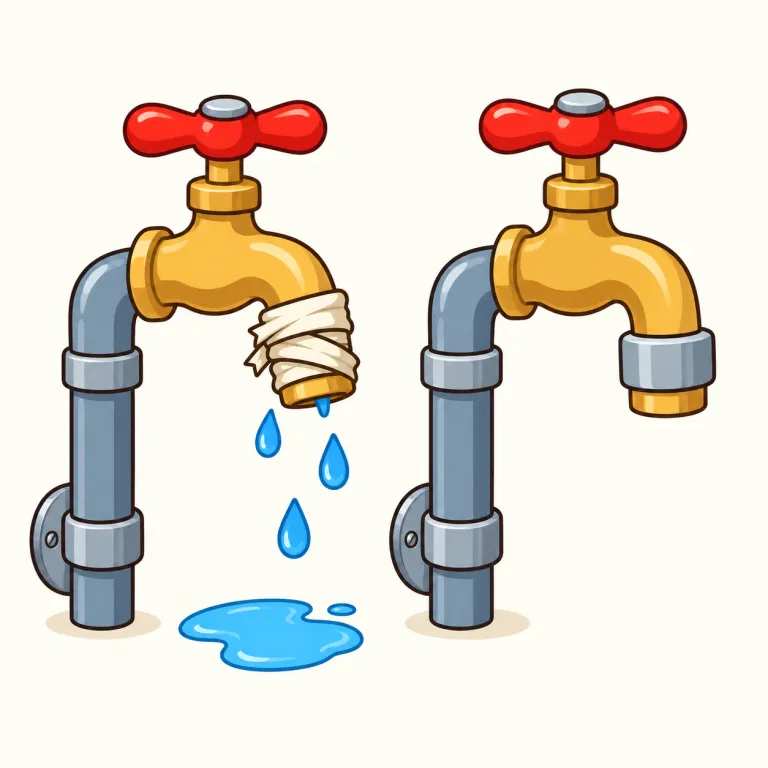
失敗した
解説 Definition
botched は botch(しくじる、やり損なう)の過去形・過去分詞で、形容詞としては失敗した、出来の悪いという意味です。作業や計画、処置などが不手際でうまくいかなかった場合に使われます。
Botched describes a task, operation, plan, or other effort that was performed badly and consequently failed or produced a poor result. It is the past participle of botch used adjectivally.
覚え方のコツ Memory Tip
botched は botch「しくじる」に規則的な -ed を付けた過去形・過去分詞で、形容詞では「不手際で失敗した」です。語末の ch は無声音なので -ed は /t/ と発音します。a botched repair、a botched delivery のように、作業・処置・計画の失敗を名詞の前で表す形をまとめて覚えます。
Start with the base verb botch, meaning to perform something clumsily or ruin it through poor work. Botched is its regular past tense and past participle, and as an adjective it describes the unsuccessful result. Because botch ends in the voiceless sound /tʃ/, the -ed ending is pronounced /t/, not as a separate syllable. Learn it in practical combinations such as “a botched repair,” “a botched delivery,” and “a botched operation,” all of which suggest that careless or incompetent execution made matters worse.
例文
The botched repair made the leak worse.
失敗した修理のせいで水漏れは悪化しました。
They apologized for the botched delivery.
彼らは配送の失敗について謝罪しました。
A botched software update caused problems for many users.
失敗したソフトウェア更新が多くの利用者に問題を引き起こしました。
botched の類義語・関連語
類義語
派生語
紛らわしい語
botched の語源・成り立ち Etymology
中英語「bocchen(つぎはぎで下手に修理する)」に由来。語源は不詳だが不器用な修繕を意味した。「下手に直す」→「台無しにする、しくじる」と意味が悪化。関連語: botch(動詞「台無しにする」)、bungle(類義の「へまをする」)。
Botched is formed from botch plus the regular ending -ed. Botch is recorded from Middle English bocchen, referring to clumsy patching or poor repair, although its earlier origin is uncertain. The meaning developed from doing repair work badly to spoiling or mishandling almost any task. In botched, the -ed form functions either as a verb participle or, as in “a botched repair,” an adjective.
同じレベルの語彙をもっと
外部辞書で調べる
この英単語をクイズで覚えよう