
意味一覧 (2件)
バグのある、不具合の多い
解説 Definition
ソフトウェアや機械などにバグがあり、正しく動かないことが多いようすを表します。使っているとエラーが出たり、動きが不安定だったりするものについて使います。
Having bugs or many problems that make software, a machine, or a system work incorrectly. It often describes something unstable or full of errors.
覚え方のコツ Memory Tip
buggy はコンピューターの bug「バグ、不具合」に、「〜が多い・〜の性質を持つ」を表す -y が付いた形です。アプリを開くたびに停止し、画面が固まり、エラーが続く場面を思い浮かべると、「一度だけ故障した」よりも不具合が多く不安定な状態だと分かります。a buggy app、buggy software、a buggy update のように製品名の前に置き、too buggy to use「バグが多すぎて使えない」も一組で覚えましょう。broken が完全に壊れている場合にも使えるのに対し、buggy は一応動くがバグのため挙動が安定しない、と区別すると実用的です。
Think of bug + -y as "full of bugs." A buggy app is one that crashes or behaves incorrectly.
例文
The app was too buggy to use.
そのアプリはバグが多すぎて使えませんでした。
This buggy update made my phone crash.
この不具合の多い更新で、私のスマホが止まってしまいました。
They fixed the buggy software before release.
彼らは発売前に、バグのあるソフトウェアを直しました。
小型の軽馬車
(意味 2)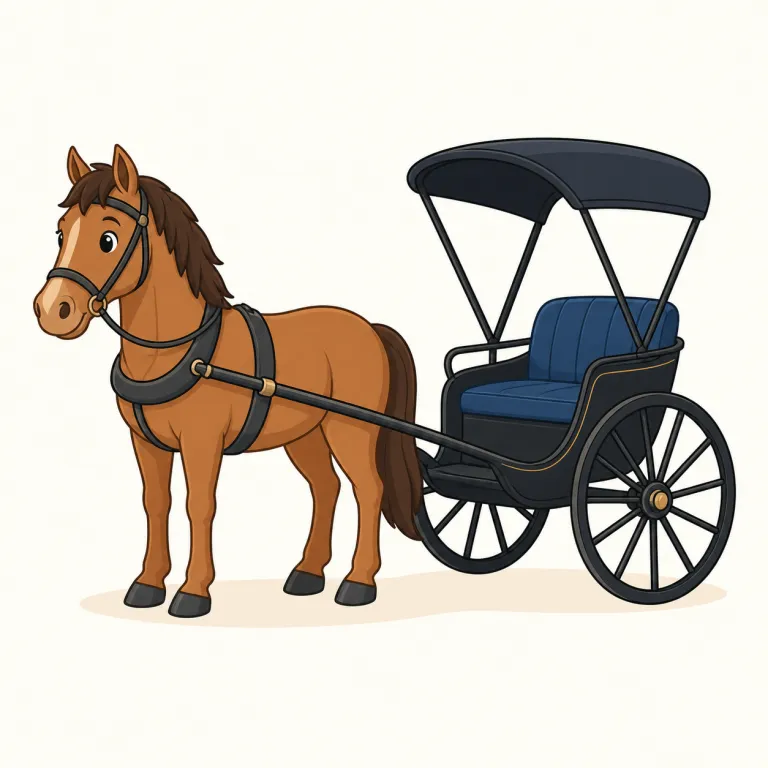
解説 Definition
buggy は、主に一頭の馬に引かせる軽くて小さな馬車を指す名詞です。特に19世紀の英米で広く使われ、町中や近距離の移動、散策などに用いられました。二輪のものだけでなく、地域や型によっては四輪のものも指します。
A buggy is a small, light vehicle. Originally, it meant a simple horse-drawn carriage, but in modern English it can also mean other small vehicles, depending on the context. You need the situation to know the exact type.
覚え方のコツ Memory Tip
buggy はまず baby buggy(乳母車)や dune buggy(小型オフロード車)を思い出すと、「大きな乗り物ではなく、軽くて小回りの利く車」という共通イメージでまとまります。そこから、昔の buggy =主に一頭立てで引く小型の軽馬車にも自然につながります。豪華で儀礼的な carriage ほど重々しくなく、町中や近距離を身軽に移動する道具という感じです。horse and buggy のような言い方も見かけます。なお現代英語では形容詞 buggy「バグの多い」も非常に頻出なので、名詞では「乗り物の buggy」と切り分けて覚えると混同しにくいです。
Remember this noun in the fixed phrases `horse-drawn buggy` or `horse and buggy`. Those collocations immediately place it in an older time, before cars. If you see horses, roads, and a historical setting, `buggy` is easier to separate from its other meanings.
例文
The doctor traveled between villages in his horse-drawn buggy.
医師は馬に引かせた小型の馬車で村々を移動した。
In the 19th century, a buggy was a common sight on city streets.
19世紀には、小型の馬車が街の通りでよく見られた。
They took a ride through the park in a classic buggy.
彼らは昔ながらの馬車で公園を巡った。
buggy の類義語・関連語
紛らわしい語
buggy の語源・成り立ち Etymology
bug は、コンピューターや機械の「バグ」「不具合」を表す英語です。そこに「〜の性質がある」を表す -y が付いて、「バグのある」という意味になりました。
Bug came to mean an error or fault in a machine or computer program. Buggy is formed from bug plus the adjective ending -y, meaning "having bugs."
同じレベルの語彙をもっと
外部辞書で調べる
この英単語をクイズで覚えよう