バリ
解説 Definition
bur は burr の異綴りで、切削・穴あけなどの加工後に材料の縁に残る鋭い「バリ、かえり」を指します。また、動物の毛や衣服に引っかかる、とげや鉤のある植物の実も表します。
A variant spelling of burr, especially a small rough or sharp projection left on metal, wood, or another material after it has been cut, drilled, or machined. The word can also refer to a prickly seed case that catches on fur or clothing.
覚え方のコツ Memory Tip
bur は burr の綴り違いとして、加工後の金属・木材などの縁に残る鋭い「バリ、かえり」を指します。もとは衣服や動物の毛に引っ掛かる植物のとげのある実を表す語で、その「小さく突き出て引っ掛かるもの」という像から rough edge の意味へ広がりました。remove a bur、file off a bur のような除去表現で覚えましょう。
Treat bur as a spelling variant of the more common burr. Its two main senses share one physical image: a small projection that catches or scratches. A plant bur hooks onto animal fur or clothing, while a manufacturing bur is a sharp, unwanted edge left after cutting, drilling, or machining. In the Japanese sense バリ, remember practical combinations such as remove a bur, file off a bur, and a sharp bur on the edge. The doubled spelling burr is generally more familiar, so recognize both forms when reading technical material.
例文
The machinist filed off the sharp bur on the edge.
作業員は縁に残った鋭いバリをやすりで削り落としました。
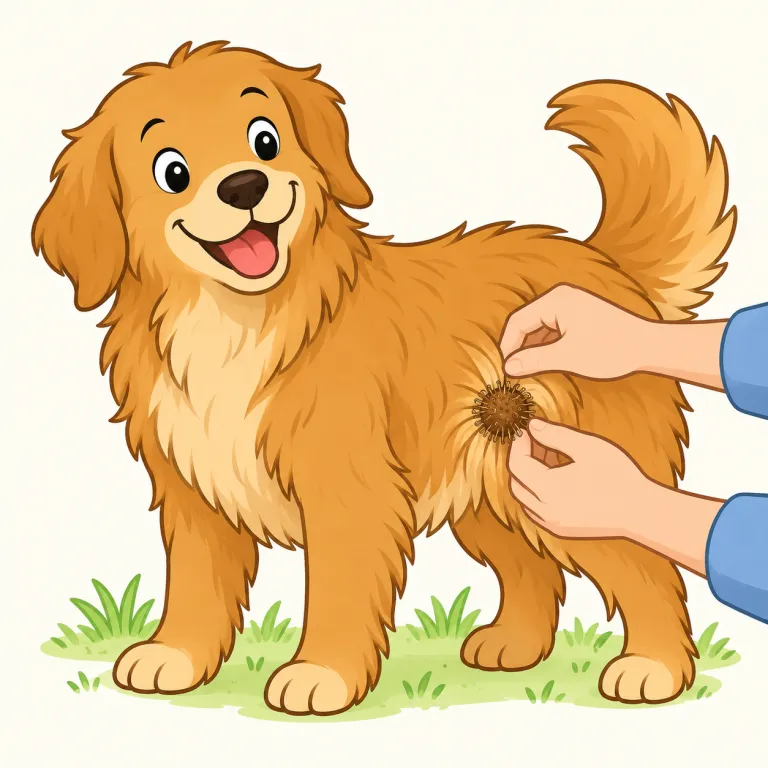
A bur caught in the dog's fur.
とげのある実が犬の毛に引っかかりました。
bur の類義語・関連語
bur の語源・成り立ち Etymology
中英語 burre(とげのある実)に由来し、スカンジナビア語の borra(粗い羊毛)と関連する。植物の種子を動物の毛に付着させて運ぶ「引っかかるもの」が原義。関連語: burr(やすりのかえり)、burdock(ゴボウ)。とげで絡みつく性質からバリ・かえりの意味に広がった。
Bur is a variant spelling of burr. The word appears in Middle English as burre for the prickly seed head of certain plants, but its earlier history is not fully certain. The central idea is something rough or projecting that catches onto another surface. From the plant sense, burr developed related meanings for a rough ridge or sharp edge left by tools or machining. Burdock preserves the plant-related element in its name.
同じレベルの語彙をもっと
外部辞書で調べる
この英単語をクイズで覚えよう