意味一覧 (2件)
天蓋、覆い
解説 Definition
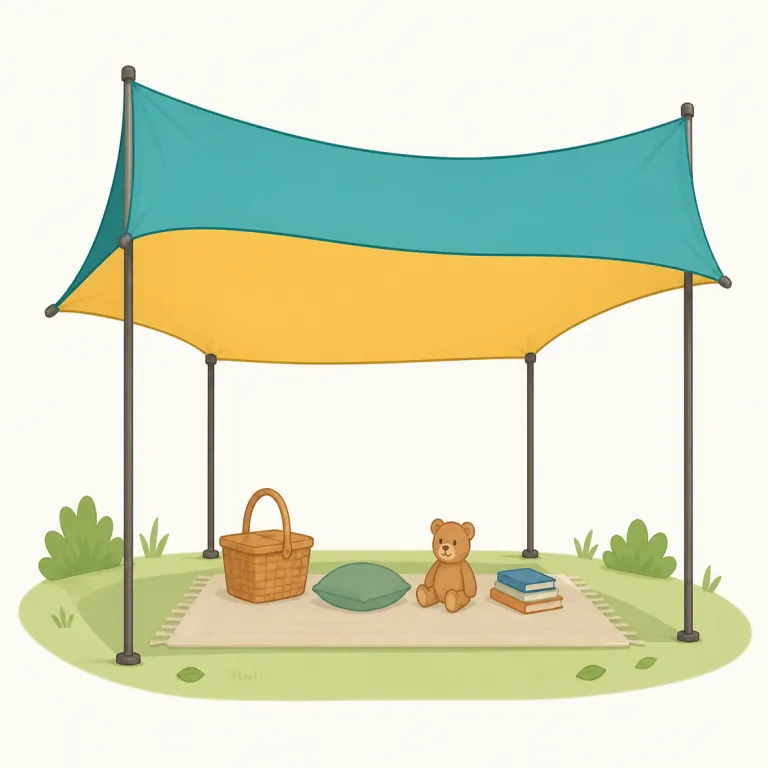
人や物の上に広がって、日光や雨などをさえぎるための覆いを表します。ベッドの上につるした布や、入口の上に張り出した屋根のようなものを指します。
A canopy is a covering above a person or place, used for shade, shelter, or decoration. It is often made of cloth or a light roof-like structure.
覚え方のコツ Memory Tip
canopy は、人や物の「上」に張り出して日光や雨を遮る覆いです。四本柱のベッドの上に白い布が広がる場面や、ホテルの入口から小さな屋根が突き出す場面を思い浮かべると定着しやすくなります。roof が建物本体の屋根を広く指すのに対し、canopy は布や軽い屋根など、下の空間を覆うものという感覚。under a canvas canopy、a canopy above the bed のように、under や above と組み合わせて位置関係ごと覚えましょう。
Picture cloth hanging over a bed or a small roof over a doorway. A canopy covers something from above.
例文
The bed had a white canopy above it.
そのベッドの上には白い天蓋がありました。
We sat under a canvas canopy to stay out of the sun.
私たちは日ざしをよけるために、布の覆いの下に座りました。
A small canopy covered the hotel entrance.
ホテルの入口は小さなひさしで覆われていました。
樹冠
(意味 2)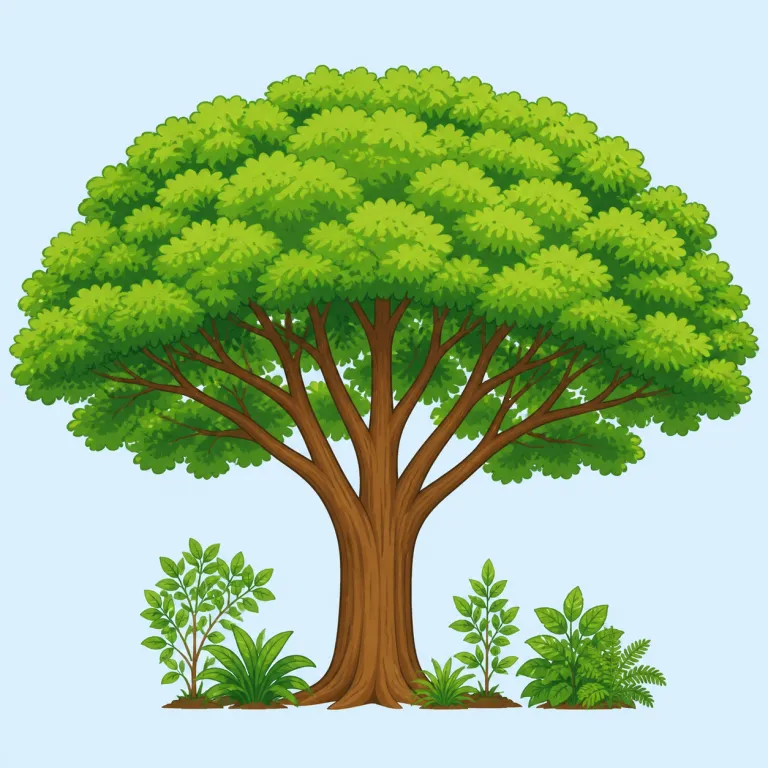
解説 Definition
森林や大きな木で、上の方に広がった枝葉がつくる覆いを指す名詞です。地上から見上げたときに天井のように見える部分で、日光を遮り、多くの鳥や昆虫の生息場所にもなる層を表し、森の生態を考えるうえで重要な部分です。
A canopy is a cover or upper layer that spreads over something. In nature, it often means the top layer of branches and leaves in a forest. It can also mean a cloth or built cover over a bed, door, seat, or other space.
覚え方のコツ Memory Tip
canopy はまず「上をおおうもの」という核で覚えると広がりやすいです。森では tree canopy / forest canopy で、枝葉が頭上に広がって natural roof(自然の屋根)や ceiling(天井)のようになる部分。ベッドの天蓋、ベビーカーやテントの日よけ、飛行機のコックピットの透明カバーにも使われます。つまり「上にあって、日差しや視界を区切る cover」。canopy cover, under the canopy も一緒に触れておくと定着しやすいです。
Think of a canopy as a kind of natural roof. In nature, it is the top layer formed by leaves and branches, so phrases like "forest canopy" and "rainforest canopy" are useful memory hooks. Link it with the image of the leafy ceiling above the forest floor.
例文
The canopy of the rainforest blocks most of the sunlight.
熱帯雨林の樹冠は、日光の大部分を遮っている。
Birds nest high in the canopy of the ancient trees.
鳥は古い木々の樹冠の高い所に巣を作る。
We walked beneath the dense canopy of leaves and branches.
私たちは葉と枝が密集した樹冠の下を歩いた。
canopy の類義語・関連語
canopy の語源・成り立ち Etymology
古いフランス語の canope から英語に入りました。さらに元をたどると、ギリシャ語で「蚊帳」を表す語につながるとされています。虫をよけるためにベッドの上をおおう布から、上にかかる覆いを表すようになりました。
Canopy came into English through Old French canope. Its deeper root is connected with a Greek word for a mosquito net, a cloth cover hung over a bed.
同じレベルの語彙をもっと
外部辞書で調べる
この英単語をクイズで覚えよう