伏せ止めする、編み目を止める
phrasal_verb 句動詞編み物で、編み終わりの目を順に処理し、ほどけない縁に仕上げることを表します。主に英国英語で使われ、米国英語の bind off に相当し、cast off the stitches の形が典型的です。
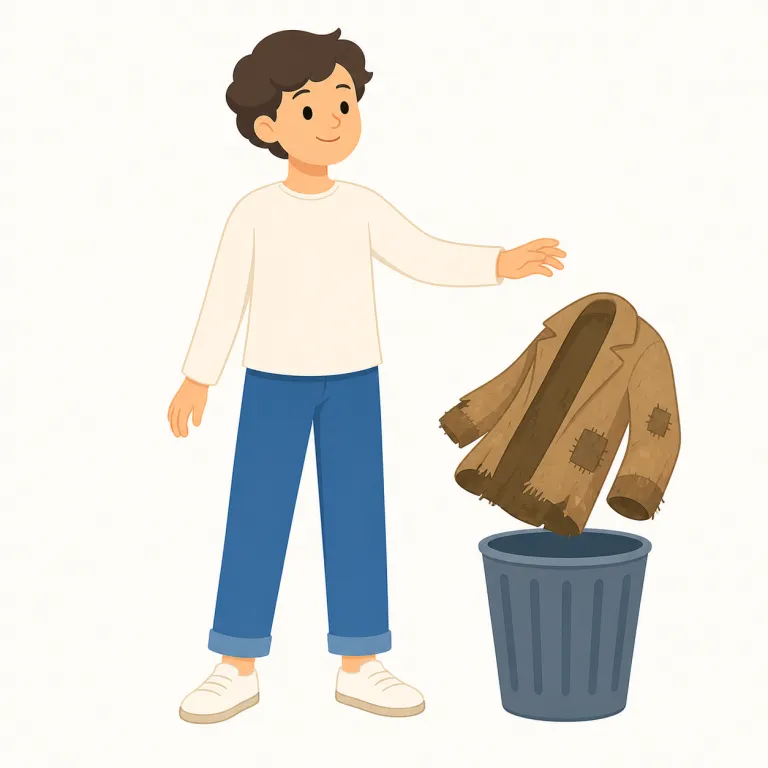
cast off は英検準1級・TOEIC 860・TOEFL 80・IELTS 6.5レベルの英熟語で、「捨て去る」という意味があります。発音記号は /ˈkæst ˈɔːf/ です。
古い衣類や不要な物を捨て去るときや船の係留を解いて出航するときに使う表現です。感情や重荷をcast offすると過去を断ち切り新しい一歩を踏み出すニュアンスも含まれます。
To cast off something means to get rid of it or leave it behind. It is often used for things such as old habits, limits, fears, or relationships. The phrase can sound a little formal or literary.
cast を「外へ放る」動きで捉えると覚えやすい。off は「離す・外す」なので、cast off で「身についたものやつながれたものを振りほどいて手放す」。古い服や不要品を捨てる場面にも、cast off the ropes のように船を岸から離す場面にも使える。単なる throw away より、「重荷や過去を断ち切って先へ進む」感じが残る表現。take off がただ脱ぐなら、cast off は不要だから切り離すイメージ。
Think of `cast` as "throw" and `off` as "away" or "free from." Together they give the image of throwing something off your body or cutting yourself loose from it. That helps you remember both physical uses and the more emotional sense of leaving a burden or old past behind.
The crew cast off the moorings and the ferry began to move away from the dock.
乗組員が係留索を解くとフェリーは桟橋から離れ始めた。
She cast off her doubts before the audition and performed with confidence.
彼女はオーディション前に迷いを振り切り自信を持って演技した。
He was finally able to cast off the burden of guilt.
彼はようやく罪悪感という重荷を捨て去ることができた。
文脈によって、次の意味でも使われます。
編み物で、編み終わりの目を順に処理し、ほどけない縁に仕上げることを表します。主に英国英語で使われ、米国英語の bind off に相当し、cast off the stitches の形が典型的です。
cast off は、古ノルド語 kasta「投げる」に由来する cast と、古英語 of/off「離れて」の組み合わせです。直訳すると「外へ投げやる」で、そこから不要な物を「捨て去る」、衣類を「脱ぎ捨てる」という意味へ広がりました。関連語は broadcast、castaway です。
Cast comes from Old Norse kasta, meaning "to throw," and off comes from Old English of or off, meaning "away" or "apart." The literal sense was to throw something away from yourself. That image led to later uses such as throwing away what is no longer wanted or taking off clothes; related words include broadcast and castaway.
この英熟語をクイズで覚えよう