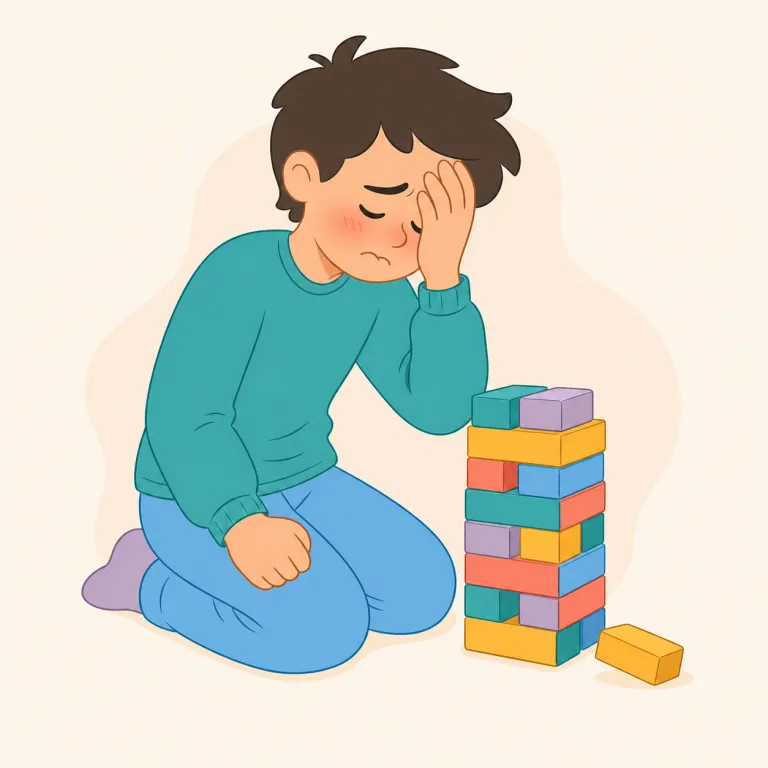
chagrin
意味一覧 (3件)
悔しさ、苛立ち
解説 Definition
期待が外れたり失敗したりしたときに覚える、悔しさやいら立ち、面目を失ったようなつらさを表す語。単なる残念さより強く、自分の不運や不成功に対する失望、気まずさ、心の痛みを含んで使われることが多い。
Chagrin is a feeling of strong disappointment, embarrassment, or annoyance, especially when something goes wrong. It is often used in formal or literary English. The word usually describes an emotional reaction to failure or an unpleasant surprise.
覚え方のコツ Memory Tip
このエントリでは chagrin を、失敗や不本意な結果に対して内側に残る「悔しさ、苛立ち」として覚えます。単なる anger ほど外向きの怒りではなく、frustration のような行き詰まり感や、embarrassment のような面目の悪さが混ざることがあります。基本義の「無念」と近い語ですが、ここでは心がざらついて落ち着かない反応に寄せて捉えると区別しやすいです。
`Chagrin` is stronger than simple disappointment. It often includes the feeling of being upset and a little embarrassed because things went badly. The common phrase `to one's chagrin` is a very useful memory hook.
例文
He felt chagrin when his team lost the match.
チームが試合に敗れて、彼は悔しさを覚えた。
Much to her chagrin, she was not selected for the position.
その職に選ばれなかったことは、彼女にとって大きな悔しさだった。
The delay caused chagrin among the passengers.
その遅延は乗客たちに苛立ちと失望をもたらした。
屈辱感
(意味 2)解説 Definition
期待していたことがうまくいかず、失望や悔しさを感じる状態。軽い屈辱感や不快感を伴う気持ち。
例文
To his chagrin, he did not win the competition.
悔しいことに、彼は競技で優勝できませんでした。
Much to her chagrin, she was excluded from the project.
彼女は本当に残念なことに、プロジェクトから除外されました。
His chagrin was evident when he received the failing grade.
彼が不合格の成績を受け取ったとき、彼の悔しさが明らかでした。
無念
(意味 3)解説 Definition
望んだ結果が得られず、残念で心残りに感じる気持ちを表す名詞です。試験、選考、試合、計画などで期待が外れた場面に使われ、やや書き言葉的に、失敗を受け止める本人の落胆を示します。
Chagrin is a feeling of disappointed sadness when you do not get the result you hoped for. It is often used for situations like exams, competitions, selections, or plans that fail. The word is slightly formal and focuses on the person's quiet sense of frustration and regret after expectations are not met.
覚え方のコツ Memory Tip
chagrin は disappointment より少し硬く、「期待していた結果が外れて心に残る無念」という感じで覚えるとよいです。頻出形は much to one's chagrin / to one's chagrin で、「本人にとって無念なことに」。anger のような怒りそのものではなく、regret のように自分の過去の選択だけを悔いる語でもありません。別エントリの「悔しさ、苛立ち」より、ここでは望みがかなわなかった落胆に焦点があります。
Think of chagrin as more formal than disappointment: it is the painful feeling of not getting the result you hoped for. A very common pattern is much to one's chagrin or to one's chagrin, meaning "to that person's disappointed regret." It is not simple anger, and it is not only regret about your own past choice.
例文
Much to her chagrin, she did not pass the final interview.
本人にとって無念なことに、彼女は最終面接に通らなかった。
He tried to hide his chagrin when his proposal was rejected.
提案が退けられたとき、彼は無念さを隠そうとした。
To our chagrin, the match was canceled just before it began.
無念なことに、試合は始まる直前に中止になった。
chagrin の語源・成り立ち Etymology
フランス語 chagrin「悩み・不快」から入った語で、もとは「ざらざらした革」を指す語と結びつけられる説があります。関連語に shagreen。肌や心がざらつく感覚から、単なる残念よりも屈辱まじりの悔しさを表す語になりました。
Chagrin came from French chagrin, meaning distress or annoyance. It may be linked to a word for a rough, grainy leather, also seen in English shagreen. That rough surface seems to have suggested a feeling of irritation or inner rubbing. Over time, the word developed the sense of upset mixed with embarrassment or wounded pride.
外部辞書で調べる
この単語を英単語クイズで覚えよう