告白者、自白者
noun 名詞罪や過ち、秘密などを自ら告白・自白する人を指します。告白を聞く司祭ではなく、告白する側を表す点が重要です。犯罪の自白や個人的な告白について述べる文脈で使われます。
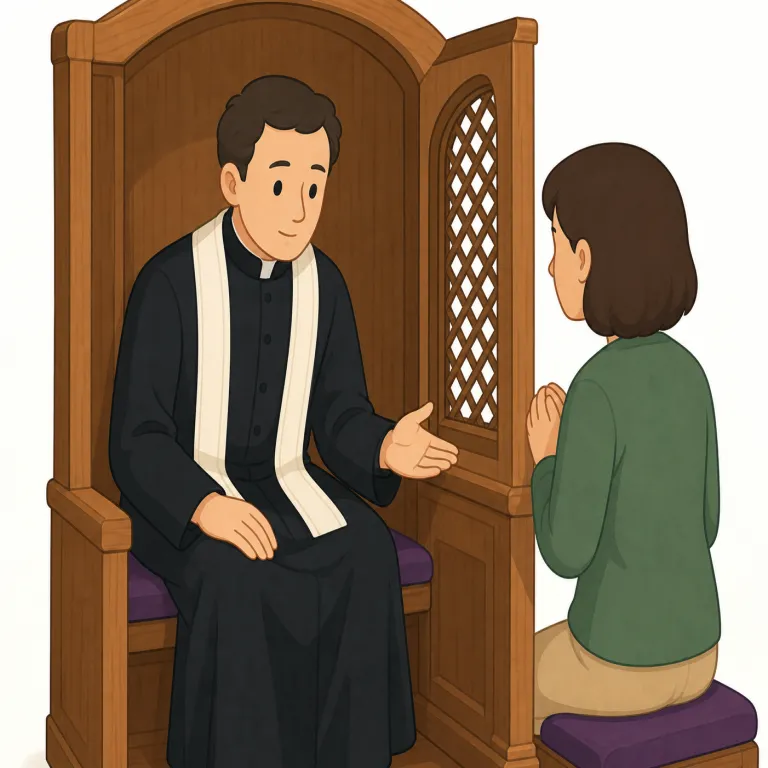
confessor はTOEIC 860・TOEFL 80・IELTS 6.5レベルの英単語で、「懺悔司祭」という意味があります。発音記号は /kənˈfɛsɚ/ です。
宗教的な罪の告白を聞く立場にある人、特にカトリックの神父を指します。懺悔を受ける宗教的指導者です。
A confessor is a person to whom someone confesses private thoughts, sins, or wrong actions. In Christian use, it often means a priest who listens to confession. The word is mainly used in religious or formal contexts.
confess を知っていれば入りやすい語です。罪を confess する人が向かう相手が confessor。-or は actor, visitor のように「人」を表す形なので、まず「confess に関わる人物」とつかむと残ります。confession は告白という行為・内容、confessor はその場で告白を聞く側。宗教語なので、ふつうの counselor や listener ではなく、カトリックの懺悔で罪の告白を受ける司祭という場面ごと覚えると混同しません。
Start from `confess`. A `confessor` is the person connected with that act, just as `actor` is a person connected with acting. Keep `confession` for the act or words, and `confessor` for the person who hears it in a religious setting.
The confessor listened to the penitent's confession.
懺悔司祭は懺悔者の告白に耳を傾けました。
In Catholic tradition, the confessor is usually a priest.
カトリックの伝統では、通常、司祭が懺悔司祭を務めます。
The confessor provided spiritual guidance after the confession.
懺悔司祭は告白の後、霊的な助言をしました。
文脈によって、次の意味でも使われます。
罪や過ち、秘密などを自ら告白・自白する人を指します。告白を聞く司祭ではなく、告白する側を表す点が重要です。犯罪の自白や個人的な告白について述べる文脈で使われます。
confessor は confess「告白する」に行為者を表す -or が付いた語で、後期ラテン語 confessor に由来します。もとは confiteri「認めて口に出す」で、con-「ともに」+ fateri「言う・認める」から成ります。confess や confession と同根で、教会では「告白を受ける人」から懺悔司祭の意味になりました。
Confessor comes from confess plus the suffix -or, meaning "a person who does something." Confess comes from Late Latin and ultimately from Latin confiteri, built from con- and fateri, meaning "to admit" or "to say openly." The basic sense is someone connected with open admission, and in church use it came to mean a priest who hears confession. Related words are confess and confession.
この英単語をクイズで覚えよう