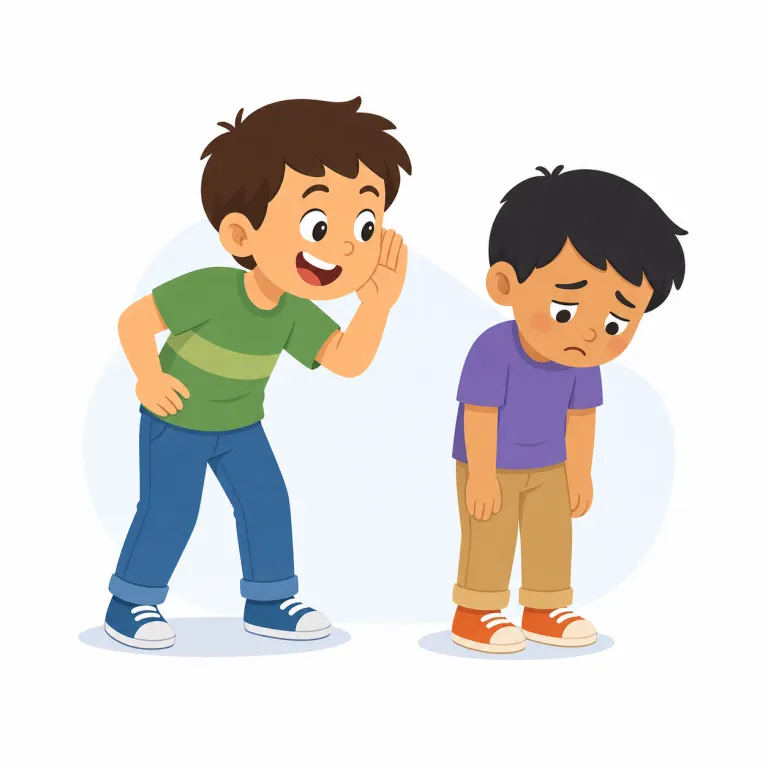
taunt
taunt は英検1級・TOEIC 860・TOEFL 80・IELTS 6.5レベルの英単語で、「嘲笑する、挑発する、あざけり、ばかにする」という意味があります。発音記号は /tɔːnt/ です。
意味一覧 (4件)
嘲笑する
解説 Definition
動詞の taunt は、人に向かって弱点・失敗・恐怖心などを口にし、からかいながら挑発することです。ただ笑うのではなく、相手を怒らせたり動揺させたりする目的を含みます。
To taunt someone means to speak to them in a cruel or mocking way in order to upset or provoke them. It is often used when a person makes fun of someone repeatedly, especially during a conflict or competition. The word usually has a negative meaning.
覚え方のコツ Memory Tip
taunt someone about their mistake, taunt an opponent のように、人を目的語にして「言葉で突く」動作を思い浮かべるとよいです。laugh at は距離を置いて笑うだけでも使えますが、taunt は相手本人に向けて繰り返し言い、反応を引き出す感じがあります。名詞 taunt の「あざけりの言葉」を実際に投げるのが動詞用法です。
Think of `taunt` as stronger than `tease`. A taunt is meant to get a reaction, almost halfway between an insult and a provocation. Remember common phrases like `taunt the opponent` or `a taunting voice`.
例文
The bully would taunt the younger students about their appearance.
そのいじめっ子は年下の生徒の外見について嘲笑していた。
She couldn't ignore his constant taunts about her cooking.
彼女は彼の料理についての絶え間ない嘲りを無視することができなかった。
The rival team would taunt the opposing players before the game.
ライバルチームは試合前に相手選手を嘲笑していた。
挑発する
(意味 2)解説 Definition
相手を怒らせたり困らせたりするために、あざけったり馬鹿にするような言葉をかけることです。相手を侮辱したり挑発したりする意図があります。
例文
The bully would taunt the younger children at school.
いじめっ子は学校で年下の子供たちを挑発していた。
Don't taunt him about his mistakes; it's not kind.
彼の間違いについて彼を挑発するな。親切ではない。
The rival team taunted us after they won the game.
ライバルチームは試合に勝った後で私たちを挑発した。
あざけり
(意味 3)解説 Definition
名詞の taunt は、相手の弱みや失敗を突いて怒り・屈辱・反論を誘う「あざけりの一言」を指します。単なる悪口より、相手をこちらに反応させる挑発性が前面に出ます。
A taunt is a cruel or mocking remark aimed at a person's weakness, mistake, or fear. It is more than a simple insult because it is meant to make the other person angry, embarrassed, or ready to answer back. The word often refers to a short, pointed comment rather than a general attitude of mockery. As a noun, it is commonly used in phrases like "a taunt" or "cruel taunts."
覚え方のコツ Memory Tip
a taunt / cruel taunts のように数えられる「投げつけられた嘲りの言葉」として覚えると定着しやすいです。insult が侮辱そのもの、mockery が嘲笑する態度全体を表しやすいのに対し、taunt は聞いた相手がむっとして言い返したくなる一言に焦点があります。動詞 taunt は、この名詞的な「挑発の言葉を向ける」行為を表します。
It helps to remember taunt as a countable remark, as in "a taunt" or "cruel taunts," because the word often points to specific hurtful comments thrown at someone. Unlike insult, which can mean disrespect in general, or mockery, which can describe a whole attitude, taunt focuses on a sharp remark that makes the other person want to react. The verb taunt keeps this same idea of aiming provoking words at someone.
例文
The boy ignored the taunt and kept walking.
その少年はあざけりの言葉を無視して歩き続けた。
Her taunts about his failure finally made him lose his temper.
彼の失敗をめぐる彼女のあざけりに、ついに彼はかっとなった。
Even from the stands, the players could hear taunts from the crowd.
スタンドからの群衆のあざけりが選手たちにも聞こえた。
ばかにする
(意味 4)解説 Definition
相手を馬鹿にして、挑発することを表します。
例文
Her classmates would taunt her about her old clothes.
彼女のクラスメートは彼女の古い服をばかにしていた。
He felt hurt when his friends started to taunt him.
友人が彼をばかにし始めたとき、彼は傷ついた。
It's wrong to taunt someone about their appearance.
外見について誰かをばかにするのは間違っている。
taunt の語源・成り立ち Etymology
語源は確定していませんが、古フランス語系の tanter / tenter「試す・挑発する」説が有力です。相手を言葉でつついて反応を試す感覚から「皮肉でからかう、嘲笑する」へ発展し、taunting や taunter も同系です。
The exact origin of "taunt" is uncertain, but it is often linked to Old French words such as "tanter" or "tenter," meaning "to try" or "to provoke." The idea seems to be testing someone by pushing them with words. Over time, it came to mean mocking or provoking in a sharp, verbal way; "taunting" and "taunter" come from the same word.
外部辞書で調べる
この単語を英単語クイズで覚えよう