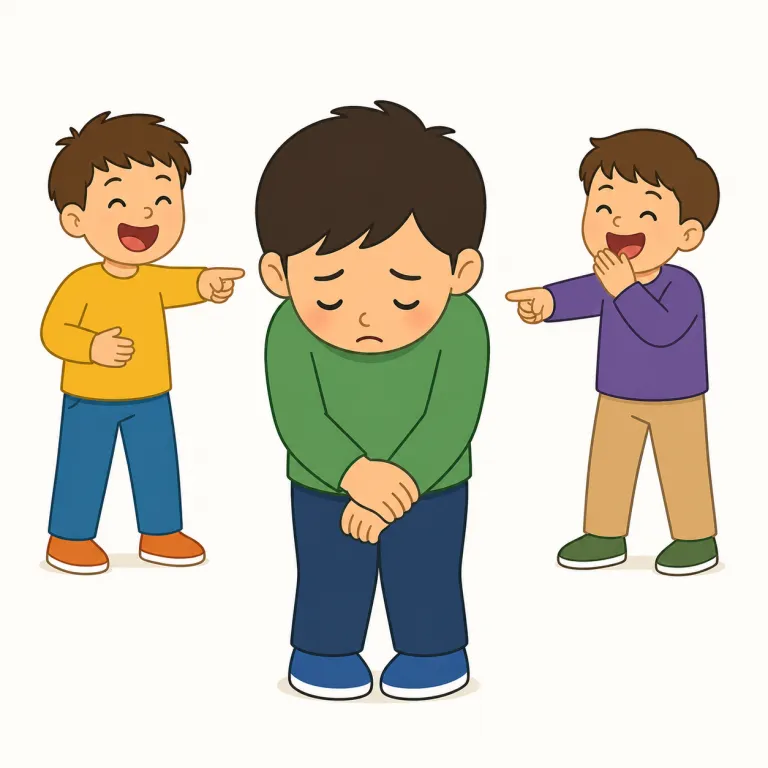
ridicule
ridicule は英検準1級レベルの英単語で、「嘲笑する、嘲笑、あざけり」という意味があります。発音記号は /ˈrɪdɪkjuːl/ です。
嘲笑する
/ noun 名詞 嘲笑、あざけり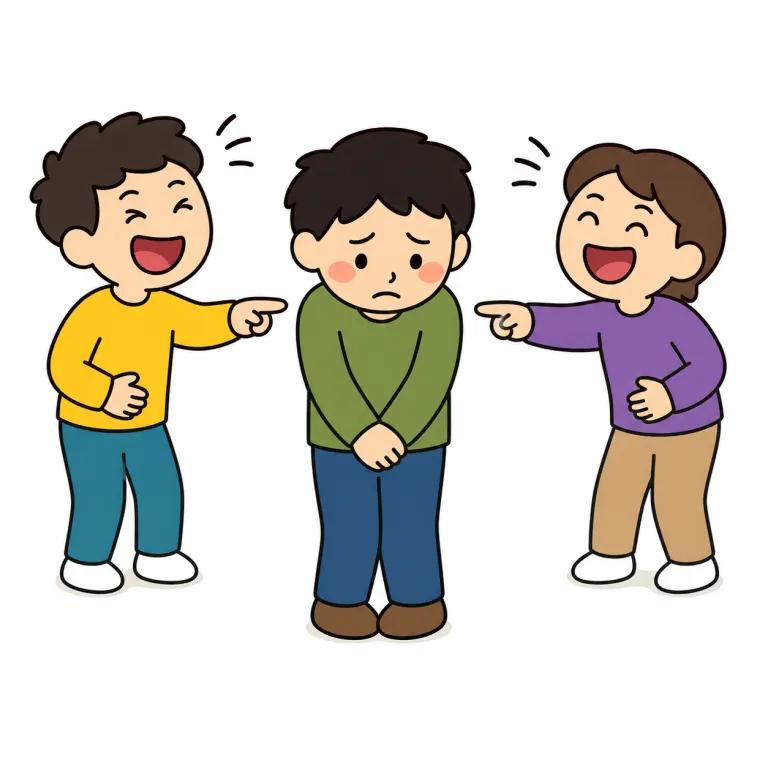
解説 Definition
嘲笑するとは、他人を軽蔑的な態度でからかったり、馬鹿にして笑ったりすることを意味します。言葉や態度で相手を侮辱し、その人の尊厳を傷つける行為です。公の場で行われることが多く、批判よりも悪意を持った侮辱的な性格を持ちます。
To ridicule someone means to laugh at them or make them seem foolish in an unkind way. It is often used when a person, idea, or behavior is treated with mockery. The word is stronger and more negative than simply joking about something.
覚え方のコツ Memory Tip
ridicule は ridiculous(ばかげた)を知っていると覚えやすいです。相手や意見を「まともに扱わず、ばかみたいなものとして笑いものにする」動きが ridicule。単なる laugh at よりも、見下しや侮辱の色がかなり強い語です。公の場で相手の面目をつぶす場面を思い浮かべると定着します。ridicule an idea, be ridiculed の形が頻出。criticize は批判、mock はからかう、ridicule は相手を下に置いて笑いものにする、と差を作ると混同しにくくなります。
Use `ridiculous` as your memory bridge. If something is treated as ridiculous, people may `ridicule` it. This word is stronger than `laugh at` because it carries a clear feeling of disrespect, so phrases like `ridicule an idea` are easy to remember.
例文
People ridiculed the politician for his silly words.
人々はその政治家のばかげた発言を理由に、彼を嘲笑しました。
Her classmates ridiculed her for wearing old clothes.
彼女は古い服を着ていたため、クラスメートに嘲笑されました。
It is wrong to ridicule someone for their honest mistakes.
悪気のないミスをした人を嘲笑するのは間違っています。
ridicule の類義語・関連語
類義語
対義語
紛らわしい語
ridicule の語源・成り立ち Etymology
ridiculeはフランス語 ridicule を経て、ラテン語 ridiculus「笑いものの」に由来し、さらに ridere「笑う」へさかのぼります。人を笑いの対象にして低く扱う感覚が核で、related は ridiculous, deride です。
Ridicule came into English through French from Latin ridiculus, meaning "laughable" or "fit to be laughed at," from ridere, "to laugh." Its sense shifted from something amusing to the act of making someone a target of laughter. Related English words include ridiculous and deride.
同じレベルの語彙をもっと
英検準1級の一覧へ →外部辞書で調べる
この英単語をクイズで覚えよう