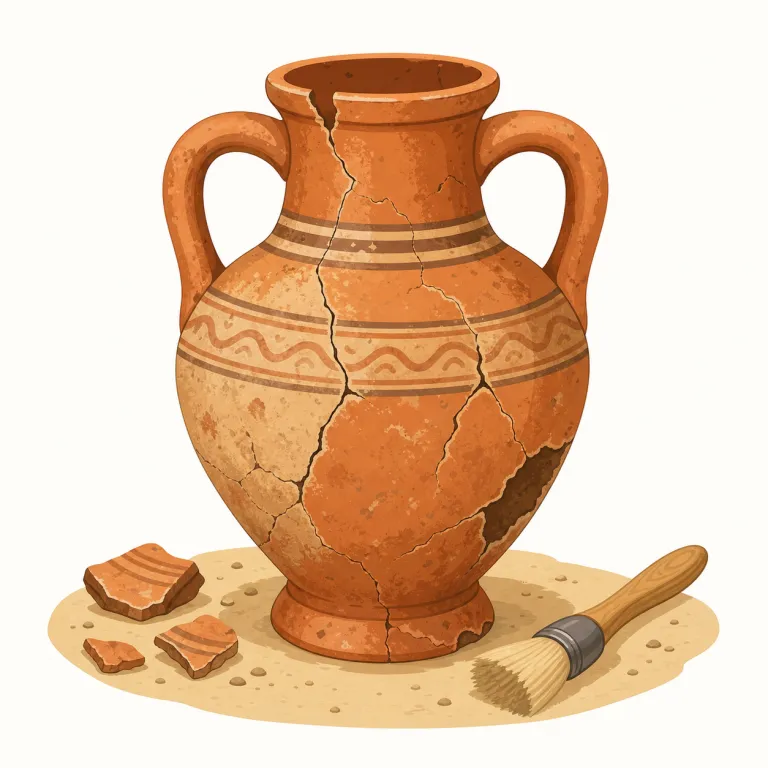
relic
relic は英検準1級レベルの英単語で、「遺物」という意味があります。発音記号は /ˈrɛlɪk/ です。
遺物
解説 Definition
遺物とは、過去の時代や文化から残された物や痕跡のことで、歴史的な価値や宗教的な意味を持ちやすいです。博物館や遺跡などで目にすることができ、当時の人々の暮らしぶりや信仰を知る手がかりになります。比喩的には、時代遅れになったものや慣習を指すこともあります。
A relic is an old object that has survived from an earlier time, especially one with historical, cultural, or religious value. It is often used for items found in museums, ancient places, or religious traditions. The word can also describe something outdated that remains from the past.
覚え方のコツ Memory Tip
relic は remain や left と結びつけると覚えやすい語で、「昔の時代から残って今にある物」という感覚を持つとよいです。museum relic, religious relic, relic of the past の形で出やすく、単なる old thing よりも歴史・信仰・時代の名残を帯びます。ruin が壊れた建造物、artifact が出土品・工芸品寄りなのに対し、relic はもっと広く「過去の名残」。人に使えば a relic of the past で「時代遅れの人・考え」の比喩にもなります。
Link `relic` with the idea of something that remains from long ago. It is often used for things with history, religion, or a sense of the past, such as `a relic of the past`. That makes it feel more meaningful than just `an old thing`. The word often carries the image of something preserved from another time.
例文
The museum displayed ancient relics from the Roman Empire.
その博物館にはローマ帝国時代の古代遺物が展示されていた。
This typewriter is a relic of the pre-digital age.
このタイプライターはデジタル時代以前の遺物だ。
Archaeologists discovered religious relics buried beneath the old church.
考古学者たちは古い教会の地下に埋まっていた宗教的遺物を発見した。
relic の類義語・関連語
relic の語源・成り立ち Etymology
relic はラテン語 reliquiae『残されたもの』に由来し、さらに linquere『残す・去る』につながります。relinquish や derelict も同根で、『誰かが去ったあとに残ったもの』だと考えると、遺物や聖遺物の意味が腑に落ちます。
Relic comes from Latin reliquiae, meaning "things left behind," from the verb linquere, "to leave." The central idea is something that remains after a person, time, or culture has gone. From that, the word came to refer to remains, ancient objects, or holy objects kept from the past. Related words include relinquish and derelict.
同じレベルの語彙をもっと
英検準1級の一覧へ →外部辞書で調べる
この英単語をクイズで覚えよう