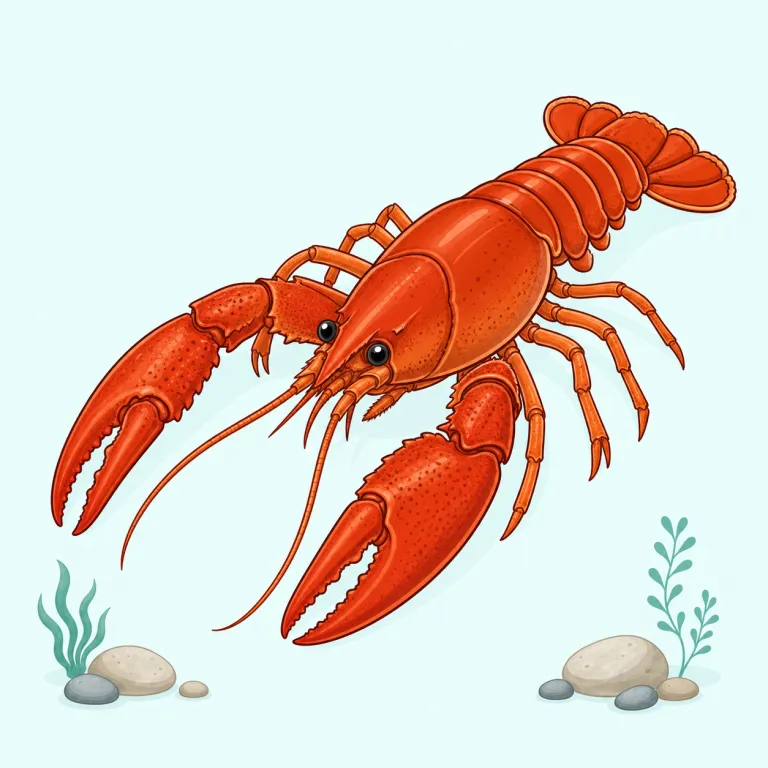
イセエビ類
noun 名詞主にオーストラリア、ニュージーランド、南アフリカなどでは、海にすむイセエビ類を指す。淡水性のザリガニとは別の動物を表す地域用法で、漁業や料理の話題でよく見られる。
ザリガニは、小型のロブスターのような淡水性の甲殻類です。はさみ(爪)を持ち、淡水域に生息します。
A small freshwater animal similar to a lobster, with a hard shell and claws. It lives in rivers, lakes, and streams. The word is mainly used in biology, cooking, and everyday talk about animals.
後半に fish があるので最初は魚っぽく見えますが、覚えるときは fish を「水辺の生き物」くらいにゆるく取り、実際の姿は small lobster や crab に近いとセットで固定すると混乱しません。川や池で見かける、はさみを持つ淡水の甲殻類、という映像で覚えるのがコツです。英語では catch crayfish, a crayfish in the stream のように淡水の文脈で出やすいので、海の lobster と分けて覚えると定着します。
The ending fish can mislead you, so do not imagine a normal fish. Picture a small freshwater creature that looks more like a lobster or crab, with claws. Linking it to streams, ponds, and catching crayfish makes the image stick better.
We caught crayfish in the stream near our cabin.
私たちはキャビンの近くの小川でザリガニを捕まえました。
Crayfish are commonly used as bait for fishing.
ザリガニは釣りの餌として一般的に使用されます。
The crayfish scuttled under the rocks to hide.
ザリガニは隠れるために岩の下へさっと潜り込みました。
文脈によって、次の意味でも使われます。
主にオーストラリア、ニュージーランド、南アフリカなどでは、海にすむイセエビ類を指す。淡水性のザリガニとは別の動物を表す地域用法で、漁業や料理の話題でよく見られる。
crayfish は中英語 crevis、古フランス語 crevice を経た語で、後半の fish は意味に引かれて後から付け替えられました。語源はさらにフランク語系の「カニ」に近い形にさかのぼるとされ、French écrevisse や crab と同根です。だから魚ではないのに fish が入ります。
Crayfish came into English from earlier forms like Middle English crevis, from Old French crevice or related words. Later, the ending was reshaped to fish because English speakers connected it with a familiar word, even though the animal is not a fish. Its deeper roots are Germanic and are related to forms behind French ecrevisse and English crab.
この英単語をクイズで覚えよう