死にかけている、死ぬ
verb 動詞口語でcroakが「死ぬ」を表す場合の現在分詞で、人や動物が死にかけていること、または死ぬことを指します。しわがれ声を出す意味とは異なり、やや冗談めいた、またはぞんざいな響きがあるため、厳粛な場面には適しません。
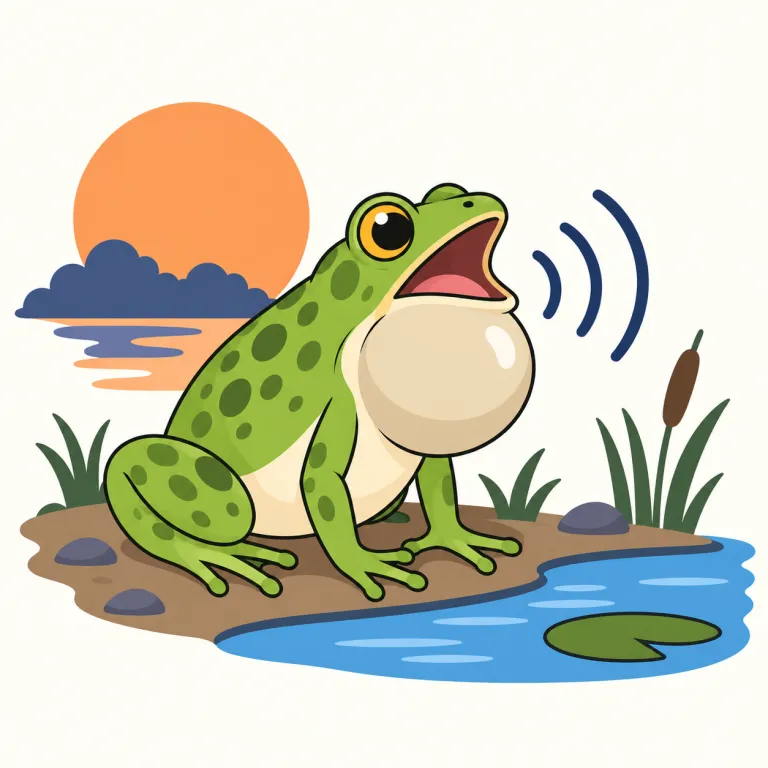
croakの現在分詞・動名詞で、カエルやカラスなどが低くしわがれた声で鳴くこと、また人が喉の痛みや乾きのためにしゃがれ声で話すことを表す。文中では動作そのものにも、その鳴き声や声の調子にも触れる語として使われる。
Croaking means making a low, rough, broken sound, like the sound of a frog. It can also describe speaking in a weak or hoarse voice. The word is often used for animals, but it can also describe a person’s voice.
まず基本形の croak をセットで覚えると定着しやすいです。-ing が付いた croaking は「ガラガラした声で鳴いている/話している最中」の感じ。frog is croaking のようにカエルの鳴き声でよく出ますが、人にも使えて、風邪声・喉が枯れた声にも使えます。cracking や creaking のような“耳にひっかかる音”の語と並べて覚えると、きれいな声ではなく低くかすれた不快寄りの響きだと区別しやすいです。
Learn it with the base word `croak`. Frogs `croak`, so `croaking` gives a strong sound picture right away: a low, rough, unpleasant sound. You can also connect it with a sick human voice, not a clear voice. Keep it apart from smoother sound words by thinking of a dry throat and a frog at the same time.
The frog's croaking filled the night air.
カエルの低くしわがれた鳴き声が夜の空気に満ちていた。
He was croaking out a sad song.
彼はしゃがれ声で悲しい歌を絞り出すように歌っていた。
The old man was croaking complaints all day long.
その老人は一日中、しゃがれ声で不満をぶつぶつ言っていた。
文脈によって、次の意味でも使われます。
口語でcroakが「死ぬ」を表す場合の現在分詞で、人や動物が死にかけていること、または死ぬことを指します。しわがれ声を出す意味とは異なり、やや冗談めいた、またはぞんざいな響きがあるため、厳粛な場面には適しません。
croaking は、鳴き声をまねた英語の擬音語 croak に -ing が付いた形で、語源的には中英語の音まね表現にさかのぼります。カエルやカラスのガラガラした音がそのまま「しゃがれ声」や「かすれて鳴く」に伸びた語で、関連語に croak と croaky があります。
Croaking comes from the English sound-imitating word croak, with the ending -ing added. Croak goes back to Middle English and likely began as an imitation of a rough animal cry, especially that of frogs or crows. From that sound, it later came to mean making a harsh, hoarse voice. Related English words include croak and croaky.
この英単語をクイズで覚えよう