意味一覧 (2件)
たわごと、でたらめ
解説 Definition
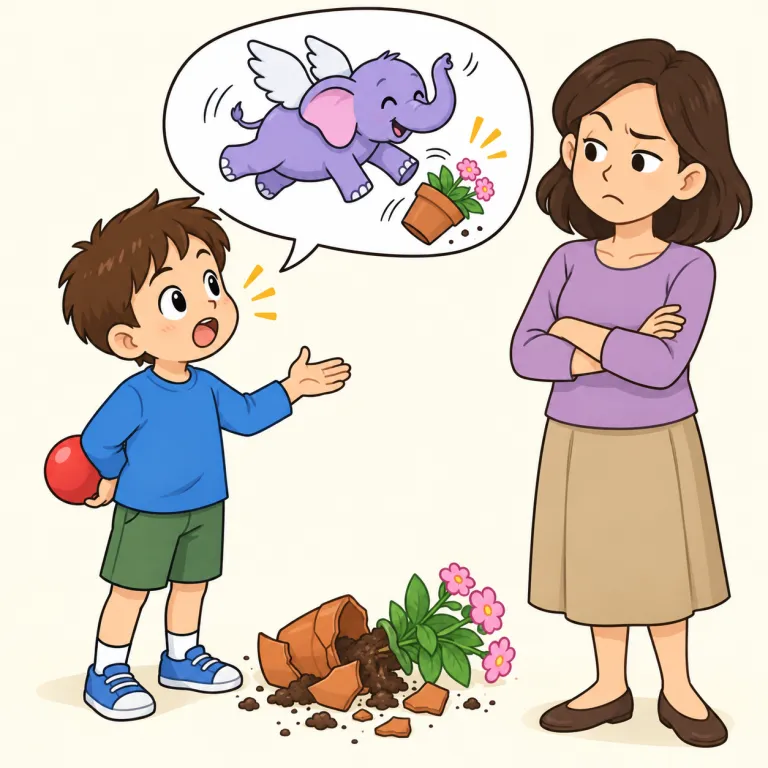
本当らしく聞こえても、実は意味がなかったり正しくなかったりする話を表します。人を信じさせようとする、ばかげた説明やでたらめな言葉にも使います。
Nonsense or false talk that may sound serious but is not true or meaningful. It is used for foolish or misleading words.
覚え方のコツ Memory Tip
humbug は語源を無理に分解せず、「もっともらしい顔をした中身のない話」に貼るラベルとして覚えるのが安全です。誰かが苦しい言い訳を長々と述べ、それを聞いた人が「そんなのはでたらめだ」と切り捨てる場面を思い浮かべましょう。complete humbug「まったくのでたらめ」、call a story humbug「話をたわごとだと言う」、Don't believe that humbug. の形が実用的です。nonsense より、相手を信じ込ませようとするごまかしや虚偽をにおわせる場合があると押さえると定着しやすいです。
Think of empty talk buzzing like a hum. Humbug is talk that makes noise but has no real truth in it.
例文
His excuse was complete humbug.
彼の言い訳はまったくのでたらめでした。
Do not believe that humbug.
そんなたわごとを信じてはいけません。
She called the story humbug.
彼女はその話をでたらめだと言いました。
ペテン師、いんちき者
(意味 2)
解説 Definition
humbug は、人をだますためにもっともらしいことを言ういんちきな人、ペテン師を指す名詞。誠実さや実力があるように見せかけて相手を欺く人物を批判的に呼ぶ語で、軽蔑や不信の響きを伴う。
Humbug means dishonest talk, behavior, or an idea meant to trick people, and it can also refer to a person who does this. It is often used to criticize something as fake, foolish, or insincere. The word has a somewhat old-fashioned tone in many modern situations.
覚え方のコツ Memory Tip
まず「本物らしく見せて信じ込ませる人」という場面で固定すると残る。単なる liar より、もっと体裁を整えてもっともらしく振る舞う“いんちき者”が humbug。fraud, fake, con man の近くに置きつつ、やや古風で軽蔑の響きが強い。He's a complete humbug. のように人物を切って捨てる言い方で覚えるとよい。なお humbug は人だけでなく、ごまかしや見せかけの話にも広がるので、「中身よりハッタリ」という芯で整理すると忘れにくい。
Remember `humbug` as an old-fashioned label for someone who sounds impressive but is fake. It is stronger than just `liar` because it suggests acting like an expert or honest person to win trust. Connect it with a false healer, a fake expert, or a smooth talker in a novel.
例文
The fortune-teller was exposed as a humbug who only cared about money.
その占い師は金のことしか考えないペテン師だと暴かれた。
Everyone realized the self-proclaimed healer was a humbug.
自称ヒーラーがいんちき者だと皆が気づいた。
He dismissed the salesman as a humbug trying to sell fake medicine.
彼はその営業マンを偽の薬を売りつけようとするペテン師だと切り捨てた。
humbug の類義語・関連語
humbug の語源・成り立ち Etymology
humbug は18世紀ごろから英語で使われるようになった語ですが、はっきりした語源は分かっていません。初めは人をだますような話や作り話を指し、そこから「たわごと、でたらめ」という意味で使われるようになりました。
Humbug appeared in English around the 18th century, but its exact origin is uncertain. It was used for deceptive or made-up talk and came to mean nonsense or false words.
同じレベルの語彙をもっと
外部辞書で調べる
この英単語をクイズで覚えよう