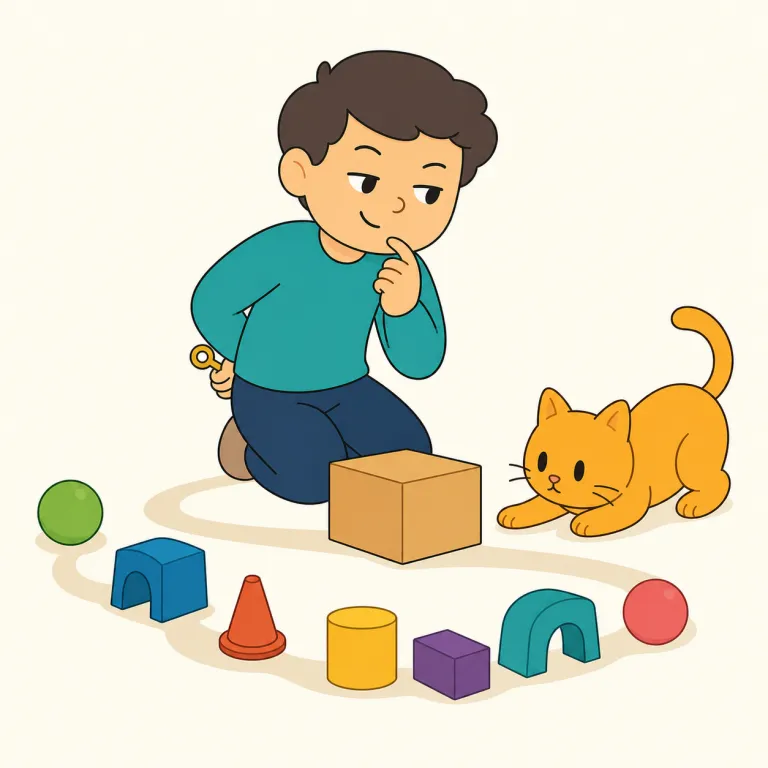
巧妙に、工夫を凝らして
adverb 副詞物や仕組みが、知恵や技術を生かして巧みに作られているさまを表す。cunningly designed のように使われ、人を欺く狡猾さではなく、設計や細工の独創性・精巧さに重点がある。
ずる賢く巧みなやり方で物事を行うさま。策略を用いて人を出し抜くように行動すること。
Cunningly means in a clever but slightly dishonest or tricky way. It is used when someone acts with skill to get an advantage, often by hiding their true purpose. The word often carries a negative tone, though sometimes it can suggest smart strategy.
まず `cunning` を「ずる賢い」と固め、`-ly` が付いて「ずる賢く、抜け目なく」という副詞になると覚える。`cleverly` が単に「うまく・賢く」なのに対し、`cunningly` は相手を出し抜く意図や、裏で企んでいる感じがあるのが重要。`a cunning fox` のキツネ的イメージと結び付けると残りやすい。文では `smile cunningly` `hide something cunningly` のように、表面は自然でも内心では計算して動いている場面を思い浮かべると定着する。
Build it from `cunning` plus `-ly`. Unlike `cleverly`, which can be positive, `cunningly` usually suggests a hidden plan or an unfair advantage. The image of `a cunning fox` is a strong memory hook.
The fox cunningly evaded the hunters by doubling back on its own trail.
狐は自分の足跡をたどって引き返し、狡猾に猟師たちをかわした。
He cunningly manipulated the situation to make himself look like the victim.
彼は狡猾に状況を操って自分を被害者に見せかけた。
The trap was cunningly concealed beneath a layer of fallen leaves.
罠は落ち葉の層の下に巧妙に隠されていた。
文脈によって、次の意味でも使われます。
物や仕組みが、知恵や技術を生かして巧みに作られているさまを表す。cunningly designed のように使われ、人を欺く狡猾さではなく、設計や細工の独創性・精巧さに重点がある。
cunningly は cunning + -ly で、cunning は古英語 cunnan「知っている・できる」に由来し、もとは「ずるい」より「知恵がある」が中心だった。can や canny も同根で、「知っていて巧みにやる」という感覚が、やがて「抜け目なく、狡猾に」へ傾いた。
Cunningly comes from cunning plus -ly. Cunning comes from Old English cunnan, meaning "to know" or "to be able," which is also the source of can and is related to canny. It first suggested skill or knowledge, and later shifted toward the idea of using that skill in a sly or tricky way.
この英単語をクイズで覚えよう