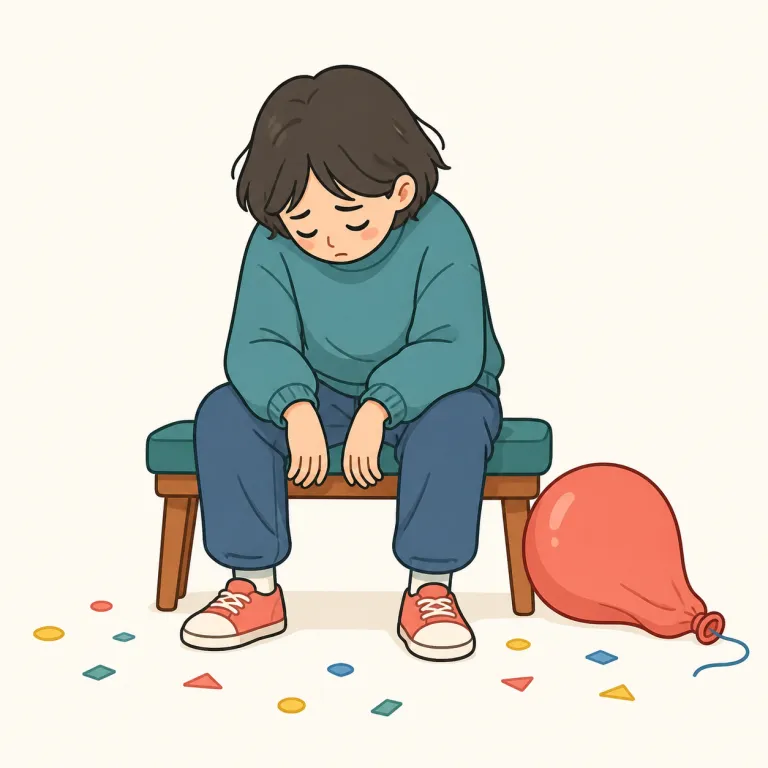
落胆
解説 Definition
落胆、悲しみ、または気力の喪失。低い気分。
Dejection is a feeling of sadness, disappointment, and low spirits. It is used for emotional states when someone feels discouraged or without hope, often after failure or bad news.
覚え方のコツ Memory Tip
まず dejected(しょんぼりした)を一緒に覚えると定着しやすいです。dejection はその名詞形で、試験に落ちた・提案を reject された直後の、肩が落ちて気力がしぼむ感じを表します。単なる disappointment よりも「見た目にも元気をなくしている」響きがあり、depression ほど重く長期的ではないことが多い語です。a look of dejection, a sense of dejection のように、表情や場の空気と結びつけて覚えると使い分けしやすくなります。
Link it with `dejected`, which describes a person who looks low and discouraged. `Dejection` is the noun for that visible feeling, like slumped shoulders after bad news. Remember phrases such as `a look of dejection` to connect it with expression and mood.
例文
A sense of dejection overtook the team after their defeat.
敗北の後、チームは落胆に包まれた。
His face showed deep dejection upon hearing the disappointing news.
その残念な知らせを聞いて、彼の顔には深い落胆が表れていた。
The dejection was temporary as the team recovered their confidence.
チームが自信を取り戻したため、落胆は一時的なものだった。
dejection の類義語・関連語
類義語
dejection の語源・成り立ち Etymology
dejection はラテン語 deicere「投げ落とす」の過去分詞語幹に由来し、de-「下へ」+ jacere「投げる」と分けられる。eject や inject も同じ jacere の仲間なので、「気分が下へ投げ落とされた状態」と考えると落胆の像がはっきりする。
Dejection comes from Latin deicere, meaning "to throw down," from de- "down" and jacere "to throw." The image is of something being cast downward. Related English words such as eject and inject come from the same Latin root.
同じレベルの語彙をもっと
外部辞書で調べる
この英単語をクイズで覚えよう