非人格化、没個性化
noun 名詞人や組織から個性や人間味を取り去り、無個性的または非人間的にする過程を指す。制度や官僚的な対応が人を単なる番号や役割として扱う場合などに使われ、精神医学上の離人感とは区別される。
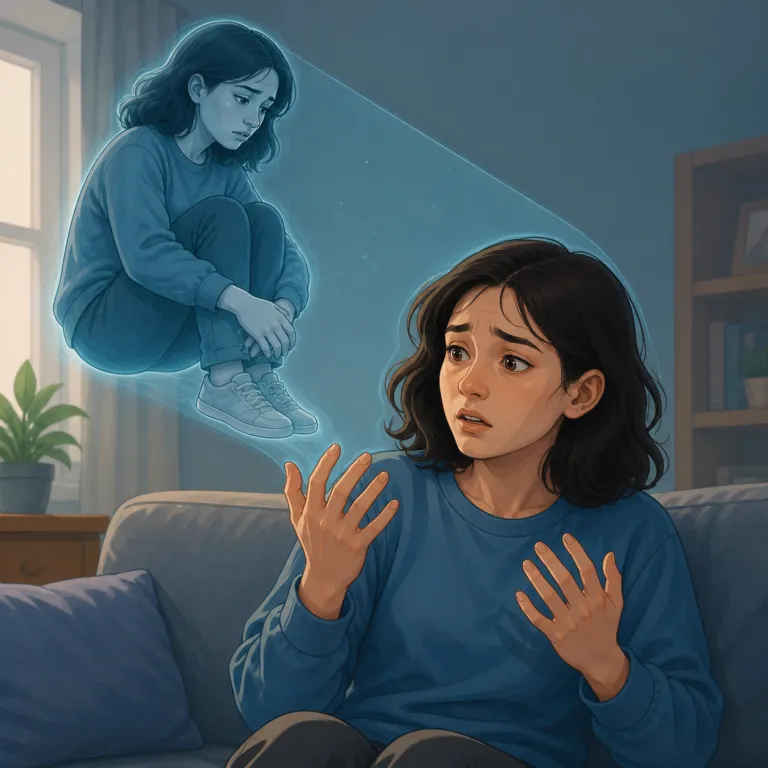
自分の身体、思考、感情、行動から切り離されたように感じたり、自分を外から眺めているように感じたりする症状・現象を指す精神医学の語です。それ自体は特定の障害名ではなく、不安やパニックなどに伴って現れることもあります。
Depersonalization is a mental state in which a person feels separated from their own thoughts, body, or sense of self. It is used mainly in psychology and medicine. People describe it as feeling unreal or as if they are watching themselves from outside.
person, personal, personality を軸に見ると覚えやすい語です。中心は personal で、「自分らしさ・人格」に関わる語。そこに de- が付くと、その感覚が外れる・薄れる方向、-ization で「そういう状態になること」。つまり depersonalization は「自分という感覚が自分から切り離される状態」。単なる sadness や tiredness ではなく、「自分を外から見ている」「自分の体や感情が自分のものに思えない」という場面と結びつけると、離人感・離人化の意味で固定しやすいです。
Use the word family `person`, `personal`, and `personality` as your memory base. Then add `de-`, which often suggests separation or removal, and `-ization`, which makes it a state or process. The whole word sounds like a person's sense of self becoming separated.
Depersonalization can be a distressing symptom of anxiety or trauma.
離人感は、不安やトラウマに伴うつらい症状となることがあります。
The patient experienced depersonalization during the panic attack.
その患者はパニック発作の最中に離人感を覚えた。
She described the depersonalization as feeling detached from her own thoughts.
彼女はその離人感を、自分の思考から切り離されたような感覚だと説明しました。
文脈によって、次の意味でも使われます。
人や組織から個性や人間味を取り去り、無個性的または非人間的にする過程を指す。制度や官僚的な対応が人を単なる番号や役割として扱う場合などに使われ、精神医学上の離人感とは区別される。
depersonalization は de-「外す」+ personal + -ization で、personal はラテン語 persona「仮面・人物」に由来します。人らしさの仮面が外れるイメージで、person や personality と並べると、離人感の意味がつかみやすくなります。
This word comes from `de-` meaning "remove" or "undo," plus `personal`, with the noun ending `-ization`. `Personal` comes from Latin `persona`, which first meant a "mask" and then a "person" or social identity. The history of the word suggests a loss or distancing from one's normal sense of personhood. Related words are `person`, `personal`, and `personality`.
この英単語をクイズで覚えよう