discharge
意味一覧 (2件)
解放する、退院させる
解説 Definition
discharge は、人を病院・軍隊・拘束・義務などから正式に解くことを表す動詞です。特に be discharged from the hospital の形で「退院を許可される」としてよく使われ、単に出て行くより公的な判断や手続きの響きがあります。
Discharge means to formally release someone from a place, duty, or control. It is often used when a hospital, the military, or another authority officially says that a person can leave. In the phrase be discharged from the hospital, it means being given permission to leave after treatment. Compared with simply leave, discharge sounds more official and connected to a decision or procedure.
覚え方のコツ Memory Tip
charge には「荷を負わせる」「責任を課す」という感覚があります。そこに dis-「離す、外す」が付くと、負っていた状態から外す動きになり、患者を病院から退院させる、兵士を任務から解く、責任から解放するという意味につながります。release より手続きや権限を伴う場面で使われやすい語です。名詞の「放電」と同じ語ですが、この動詞では人や義務からの解放に注目します。
Think of charge as a load, duty, or responsibility placed on someone. When you add dis-, it gives the idea of removing that load. So discharge means taking someone out of that state, such as letting a patient leave the hospital or freeing a person from a duty. It often sounds more official than release because it is usually done by a person or institution with authority.
例文
She was discharged from the hospital two days after the operation.
彼女は手術の2日後に退院させられた。
The army discharged him at the end of his service.
軍は任務の終わりに彼を任務から解放した。
The court discharged her from any further legal obligation.
裁判所は彼女をそれ以上の法的義務から解放した。
放電
(意味 2)解説 Definition
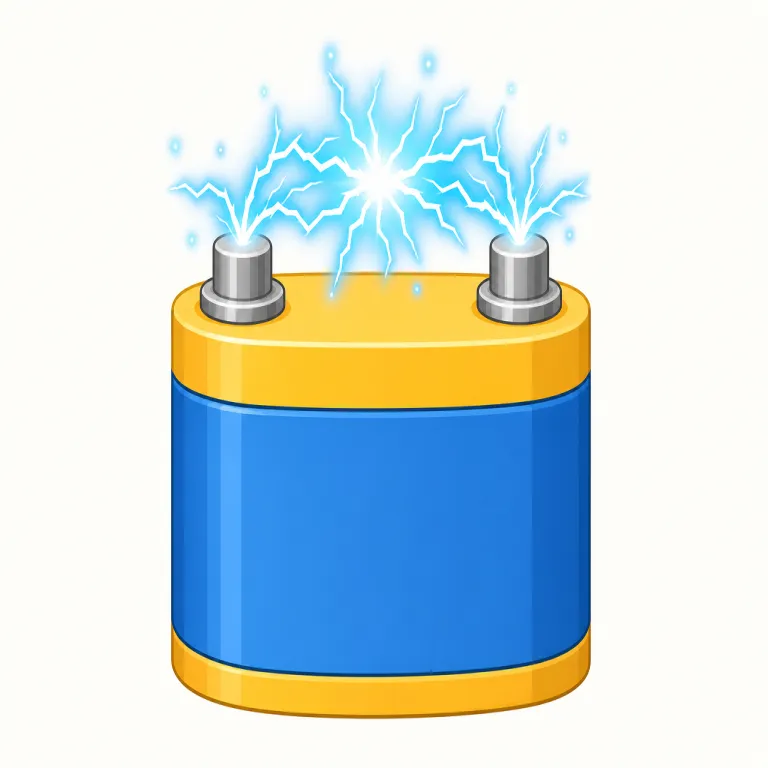
電気分野での discharge は、蓄えられた電荷が放たれ、電位差が解消される現象を表します。雷、静電気の火花、電極間のスパーク、コロナ放電など、一瞬または短時間で電気が抜ける場面に使います。
A discharge is the release of electricity from one place to another. It is often used in science and engineering to describe batteries, lightning, or electrical systems. In this sense, it refers to energy flowing out or being let off.
覚え方のコツ Memory Tip
この名詞 discharge は、ためられた電気が外へ出る「放電」を指します。charge を「電荷をためる」と見れば、dis- が付いた discharge はその蓄積が抜ける出来事です。static discharge は指先のパチッとした静電気、electrical discharge は電極間の火花や雷のような現象を思い浮かべると定着します。これは動詞の「解放する、退院させる」とは別の、電気分野の専門寄りの意味です。
Think of `charge` as stored electricity. With `dis-`, the idea becomes sending that charge out, so `discharge` is the release of it. Common collocations like `electrical discharge` and `static discharge` help fix it in memory. `Charge` stores up; `discharge` lets go.
例文
A sudden discharge jumped across the gap between the electrodes.
電極間の隙間をまたいで突然放電が走った。
The technician measured the discharge current before restarting the machine.
技術者は機械を再始動する前に放電電流を測定した。
Fine dust can trigger a static discharge on the surface of the material.
微細なほこりが材料表面で静電気放電を引き起こすことがある。
discharge の語源・成り立ち Etymology
古フランス語 descharger「荷を下ろす」由来。dis-「離して」+ charge「荷・負担」から、負担を外す意味が人の解放や退院許可へ広がりました。
Discharge comes from Old French descharger, meaning "to unload." It is built from dis-, meaning "away" or "off," and charge, meaning "load" or "burden." From the idea of taking a burden off, the word developed into the sense of releasing a person from duty, control, or hospital care.
外部辞書で調べる
この単語を英単語クイズで覚えよう