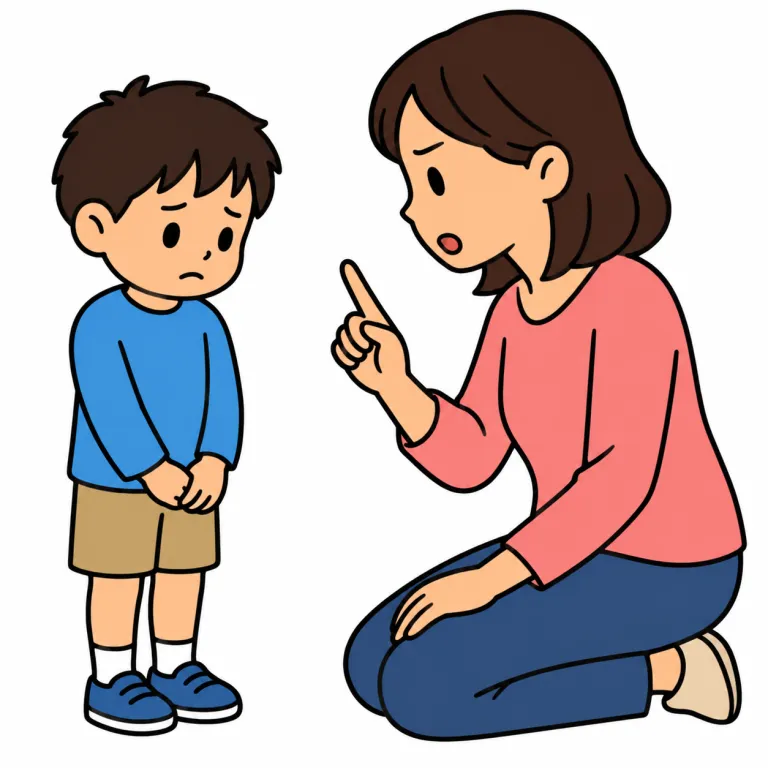
しつけ
解説 Definition
disciplining は discipline(しつける、訓練する)の現在分詞・動名詞で、名詞としては「しつけ」や「指導すること」を意味します。罰そのものだけでなく、行動を正すための継続的な指導を指すことがあります。
Disciplining is the act of correcting or training someone’s behavior through rules, guidance, consequences, or consistent instruction. It does not necessarily mean physical punishment and may emphasize teaching appropriate conduct.
覚え方のコツ Memory Tip
原形 discipline の語末の無音 e を落として -ing を付け、disciplining となります。discipline は単なる punishment より広く、規則と説明を通じて行動を正す継続的な指導も含みます。disciplining children、disciplining players のように、指導される相手と一緒に覚えます。
Link disciplining to its base verb discipline. Drop the final silent e before adding -ing: discipline becomes disciplining. Its central idea is organized teaching and correction, not simply punishment. Picture a coach setting clear rules, explaining them calmly, and applying fair consequences to train the players’ behavior. Common patterns include “disciplining children,” “disciplining players,” and “disciplining a class.” Remember the connection with disciple, a learner or follower: historically, the word family centers on learning and instruction. This helps distinguish constructive disciplining from anger, revenge, or an isolated act of punishment.
例文
Disciplining children should be fair and consistent.
子どものしつけは、公平で一貫しているべきです。
The coach believes in disciplining players through clear rules.
そのコーチは、明確なルールを通して選手を指導することが大切だと考えています。
Instead of shouting, the teacher focused on disciplining the class with calm explanations.
その教師は怒鳴るのではなく、落ち着いた説明でクラスをしつけることに力を入れました。
disciplining の類義語・関連語
disciplining の語源・成り立ち Etymology
ラテン語 disciplina(教え、訓練)から古フランス語 discipline を経て英語に入った。語根 discipulus(弟子)は discere(学ぶ)に由来する。関連語: disciple(弟子)、discipline(規律)。「弟子に教え込む」が原義で、そこから「しつけ・訓育」の意味が生まれた。
Disciplining is the -ing form of discipline, with the final silent e removed before the suffix is added. Discipline came into English through Old French from Latin disciplina, meaning “instruction, knowledge, or training.” That noun is related to discipulus, “pupil” or “disciple,” and ultimately to discere, “to learn.” The sense of correcting conduct developed from the broader idea of systematic teaching and training.
同じレベルの語彙をもっと
外部辞書で調べる
この英単語をクイズで覚えよう