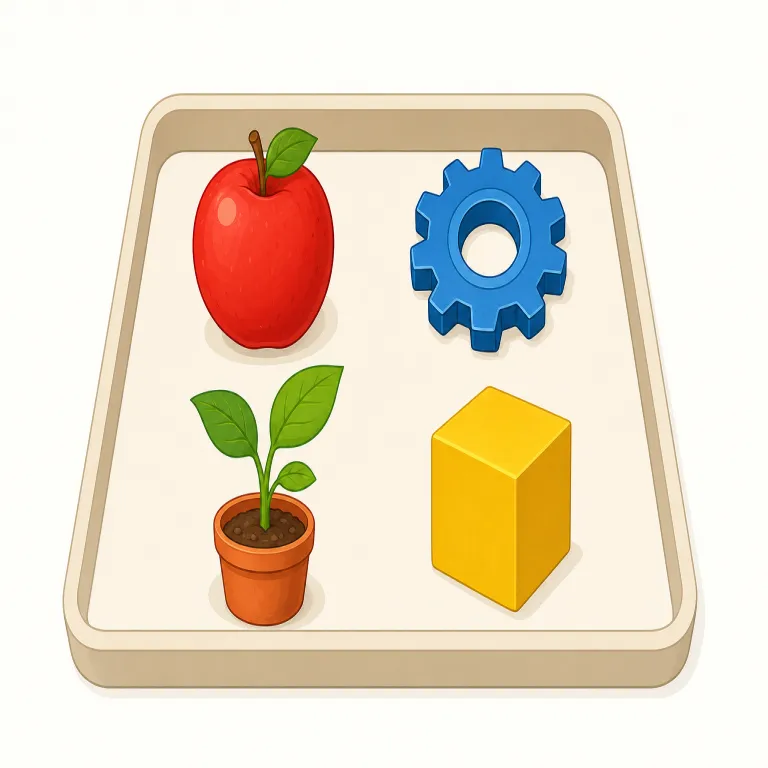
disparate
disparate は英検1級レベルの英単語で、「異なる」という意味があります。発音記号は /ˈdɪspərɪt/ です。
異なる
解説 Definition
根本的に異なる、または大きく異なる性質を持つことを意味します。比較できないほど違う状態を指します。
If things are disparate, they are very different from each other and not closely connected. This word is often used in academic or formal contexts when comparing ideas, groups, or types of data. It suggests a wide gap rather than a small difference.
覚え方のコツ Memory Tip
まず easier な語として separate や different を土台にすると覚えやすいです。disparate は「別々」より強く、同じ土俵に並べにくいほど性質が食い違う感じ。disparate groups / interests / data のように、要素同士がバラバラで統一感がない場面でよく出ます。単なる違いなら different、輪郭がはっきり違うなら distinct、比較しづらいほど食い違うなら disparate、と段階で整理すると定着します。
Build from easier words like `different` or `separate`, then make the gap stronger. `Disparate` is used when things are so unlike each other that they do not fit together well. It often appears in phrases like `disparate groups` or `disparate interests`.
例文
The two cultures have disparate values and traditions.
2つの文化は異なる価値観と伝統を持っています。
Their disparate opinions made compromise difficult.
彼らの異なる意見は妥協を難しくした。
The disparate income levels widened the wealth gap.
所得水準の違いが貧富の差を広げました。
disparate の類義語・関連語
disparate の語源・成り立ち Etymology
「disparate」はラテン語 disparatus / dispar にさかのぼり、dis-「離れて」+ par「等しい」で、原義は「等しく並ばない」。だから単に「別々」ではなく「釣り合わないほど異なる」という含みが出る。parity や compare も par 系の仲間。
Disparate comes from Latin dispar, meaning "unequal" or "not matching." It combines dis-, meaning "apart," with par, meaning "equal." So the original sense was not just "different," but "unequal in a way that does not fit together well." It shares the root par with words like parity and compare.
同じレベルの英単語をもっと
英検1級の一覧へ →外部辞書で調べる
この単語を英単語クイズで覚えよう