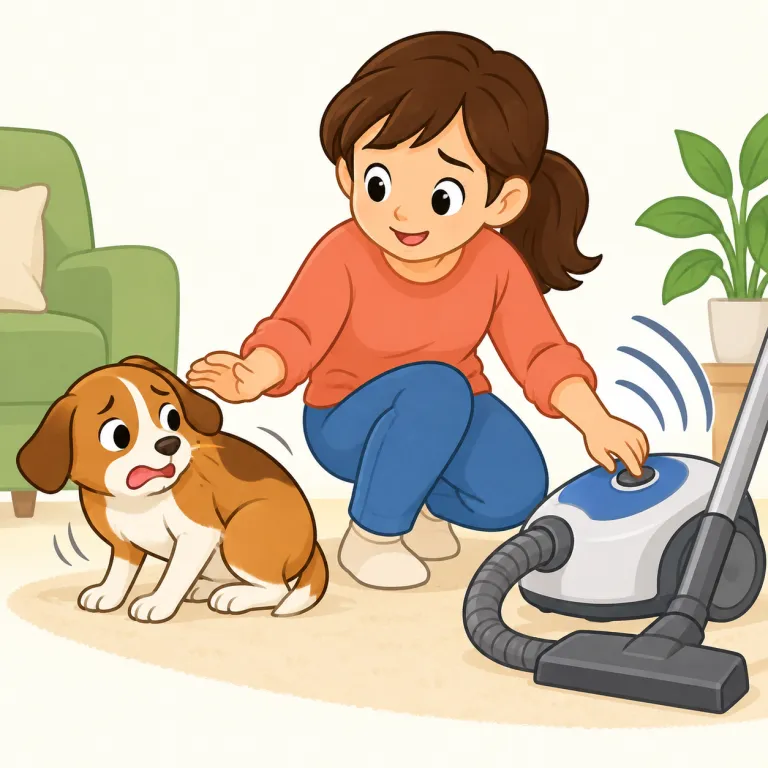
不快にさせる
解説 Definition
displeases は displease の三人称単数現在形で、誰かを不快にさせる、気分を害する、満足させないことを表します。
Causes someone to feel annoyed, dissatisfied, or offended; fails to satisfy or gain that person’s approval. This is the third-person singular present form of displease and normally takes the affected person as its object.
使い方 Usage
- 不快感の原因を主語に、不快になる人を目的語に置きます。His behavior displeases everyone. が基本の型です。 Use the cause of displeasure as the subject and the affected person as the object: His behavior displeases everyone.
覚え方のコツ Memory Tip
please「喜ばせる」に否定的な dis- が付き、「喜ばせない→不快にする」と覚えます。displease に -s を加えた形で、発音は /dɪsˈpliːzɪz/ です。
Connect please with giving satisfaction and dis- with reversing that idea: displease means to cause dissatisfaction. Displeases adds -s to displease and is pronounced /dɪsˈpliːzɪz/, with an extra syllable.
例文
His rude behavior displeases everyone in the office.
彼の無礼な行動はオフィスの全員を不快にさせます。
Her decision to quit displeases her parents.
彼女の辞めるという決断は両親を不快にさせます。
displeases の類義語・関連語
類義語
対義語
displeases の語源・成り立ち Etymology
古フランス語 desplaisir から。接頭辞 dis-(否定)+ラテン語 placēre(喜ばせる)の組み合わせで「喜ばせない→不快にする」の意。関連語に please(喜ばせる)、pleasant(快い)がある。語根 plac- は「なだめる・満足させる」が原義。
Displeases is formed from displease plus the third-person singular ending -s. Displease entered English through Old French desplaisir and is historically built from a negative prefix and plaisir or related forms meaning “to please.” The deeper source is Latin placere, “to please” or “be acceptable,” also reflected in please and pleasant. Since displease ends with /z/, the inflectional ending is pronounced /ɪz/, adding another syllable.
同じレベルの語彙をもっと
外部辞書で調べる
この英単語をクイズで覚えよう