相違点
解説 Definition
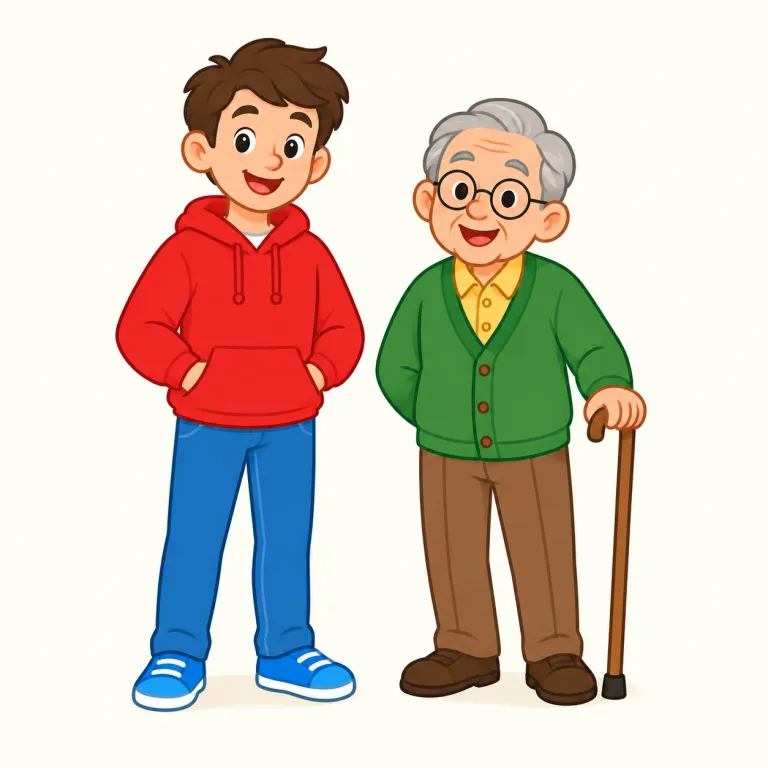
異なっているという特性や状態。二つ以上のもの、人、または考えの間の違いを表す。
Dissimilarity means the quality of being different or the point at which two things do not match. It is used when comparing objects, ideas, people, or data. The word is more formal than simple words like difference.
覚え方のコツ Memory Tip
まず土台は similar「似ている」と similarity「類似」。そこに dis- が付くと「似ていない側にずれる」と考えると覚えやすいです。difference が単に「違い」を広く指すのに対し、dissimilarity は「見比べたときの非類似性」という少しかための語。the dissimilarity between A and B の形で、共通点より違う点に注目する場面をセットで覚えると定着します。similarity と対で覚えるのが最短です。
Build it from `similar` and `similarity`. When you add `dis-`, the meaning moves to the opposite side: not being alike. It is a more formal way to talk about differences, especially in phrases like `the dissimilarity between A and B`.
例文
The dissimilarity between the proposals was clear: one cut costs, while the other increased spending.
二つの提案の違いは明らかだった。一方は費用を削減し、もう一方は支出を増やす内容だった。
Despite their dissimilarity in age, they became close friends.
年齢差にもかかわらず、彼らは親友になった。
The dissimilarity between their cultures was evident in their different dining customs.
二つの文化の違いは、それぞれ異なる食事の習慣にはっきり表れていた。
dissimilarity の類義語・関連語
dissimilarity の語源・成り立ち Etymology
dissimilarity は dis-「異なる」+ similarity で、核の similar はラテン語 similis「似た」に由来します。simile や assimilate と同根で、「同じに見えるはずのものが実は似ていない度合い」を名詞化した語だと分かると意味がつかみやすいです。
"Dissimilarity" is built from dis- and similarity. The key word similar comes from Latin similis, meaning "like" or "resembling," and it is related to words such as simile and assimilate. The noun developed to express the state or degree of not being alike, especially where likeness might otherwise be expected.
同じレベルの語彙をもっと
外部辞書で調べる
この英単語をクイズで覚えよう