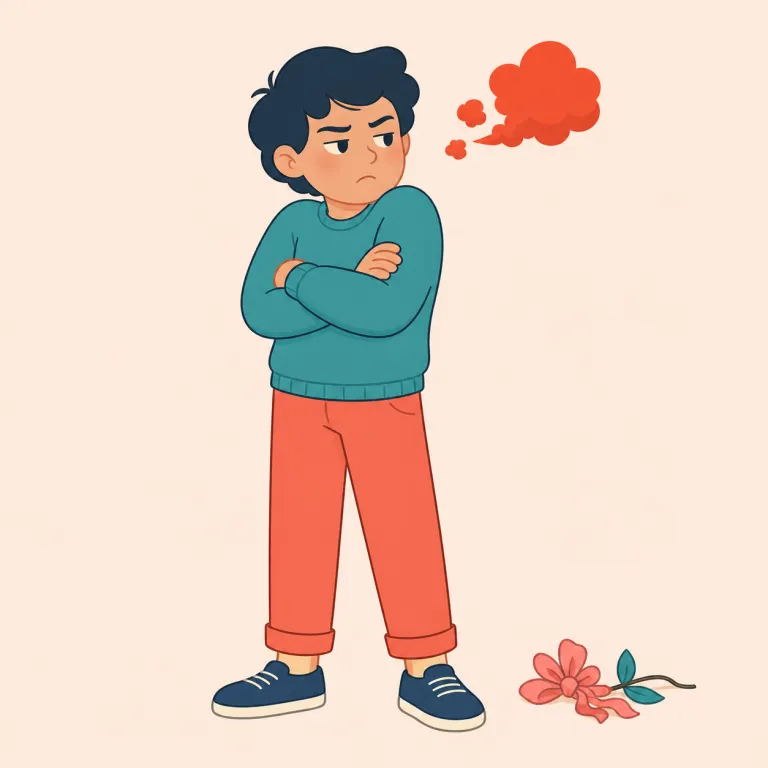
憤慨
解説 Definition
激怒や不機嫌な状態。怒りや立腹を表す古典的な表現です。
Dudgeon means a feeling of strong offense or anger, especially because of an insult or unfair treatment. It is usually seen in the phrase 'in high dudgeon.' The word is quite formal and not common in everyday speech.
覚え方のコツ Memory Tip
dudgeon は単独で覚えるより、古風な決まり文句 in high dudgeon で固めると残りやすい語です。high が付くと「かなりむっとしている、立腹している」という感じで、軽い irritation より強く、rage ほど爆発的ではない不機嫌さを帯びます。sulk や huff に近い「ふくれた怒り」の名詞、と置くと整理しやすいです。文語・古風寄りの語なので、日常会話の中心語ではない点まで一緒に覚えると、他の一般的な怒り語と混同しにくくなります。
Do not try to learn this word alone; remember the fixed phrase `in high dudgeon`. That phrase gives the feeling of being very offended or bad-tempered, stronger than mild annoyance but less explosive than rage. It is a literary or old-fashioned expression, which makes it easier to spot and remember.
例文
He left the meeting in high dudgeon after being criticized unfairly.
彼は不当な批判に憤慨し、会議を立ち去りました。
She was in high dudgeon about the insulting remarks made by her colleague.
彼女は同僚の失礼な発言に激怒していました。
The manager quit in high dudgeon when the company rejected his proposal.
会社が彼の提案を却下すると、そのマネージャーは激怒して辞職しました。
dudgeon の類義語・関連語
dudgeon の語源・成り立ち Etymology
1570年代の英語で、語源ははっきりせず、イタリア語 aduggiare「影を落とす」に結びつける説があります。気分に“影が差す”イメージから、むっとした憤慨を表すと考えると納得しやすい語です。語根未詳なので、同根語は断定できません。
Dudgeon appeared in English in the late 1500s, but its origin is uncertain. One suggested link is Italian aduggiare, "to cast into shade," which may fit the idea of a mood darkening. Because the source is unclear, no root connection can be stated with confidence.
同じレベルの語彙をもっと
外部辞書で調べる
この英単語をクイズで覚えよう