意味一覧 (2件)
年上の
解説 Definition
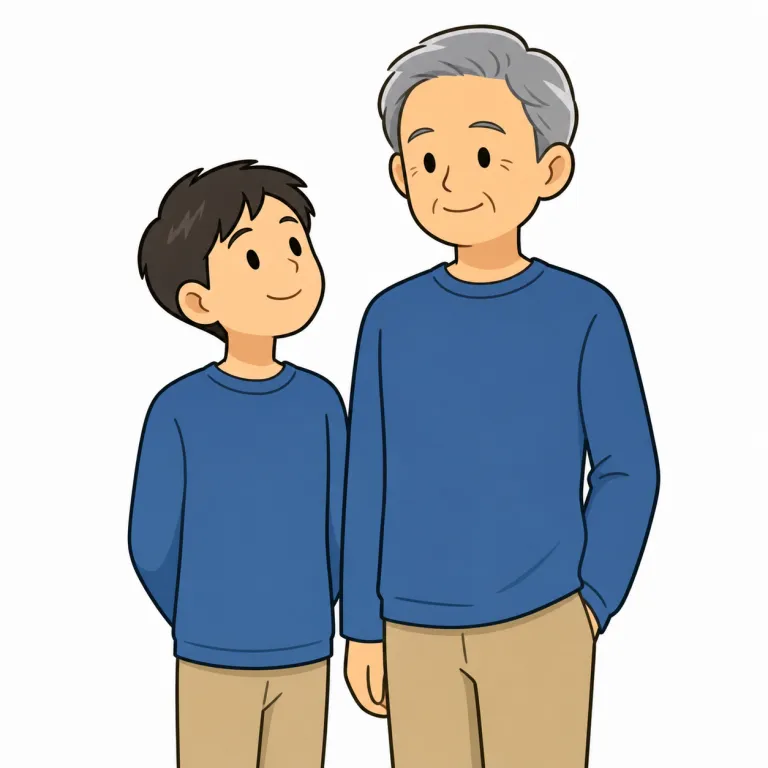
家族や身近な関係の中で、相手より年齢順が上であることを示す形容詞。特に elder brother, elder sister, elder son のように名詞の前で使われ、単なる年齢比較より「きょうだい・子どもの順番」を意識させる。
Elder means older, but it is mainly used inside a family or a close relationship. It is most common before a noun, as in elder brother, elder sister, or elder son. It often suggests birth order in the family, not just a general comparison of age. Compared with older, elder sounds more limited and slightly more formal.
覚え方のコツ Memory Tip
elder は old の比較級 older と近い発想ですが、使いどころはかなり限定的です。A is elder than B と自由に比べるより、my elder sister のように「家族内で上のほう」と名詞を飾る形で覚えると自然です。older が年齢・物の古さまで広く使えるのに対し、elder は少し改まった響きで、親族や継承順を述べる場面に向きます。名詞の elder「長老」は、この「年長である」感覚が人や役割に固定されたものです。
Think of elder as close to older, but with a much narrower use. It sounds most natural before family words like my elder sister or his elder brother, where the idea is birth order inside the family. Older is the general word for age and even for things, but elder is more formal and more limited. The noun elder, meaning an older respected person, grows from the same idea of being older.
例文
My elder sister lives in Osaka.
私の年上の姉は大阪に住んでいます。
As the elder son, he was expected to take care of the family business.
年上の息子として、彼は家業を支えることを期待されていました。
The novel describes the quiet rivalry between the elder and younger brothers.
その小説は、年上の兄と弟の静かな対立を描いています。
年長者、長老
(意味 2)解説 Definition
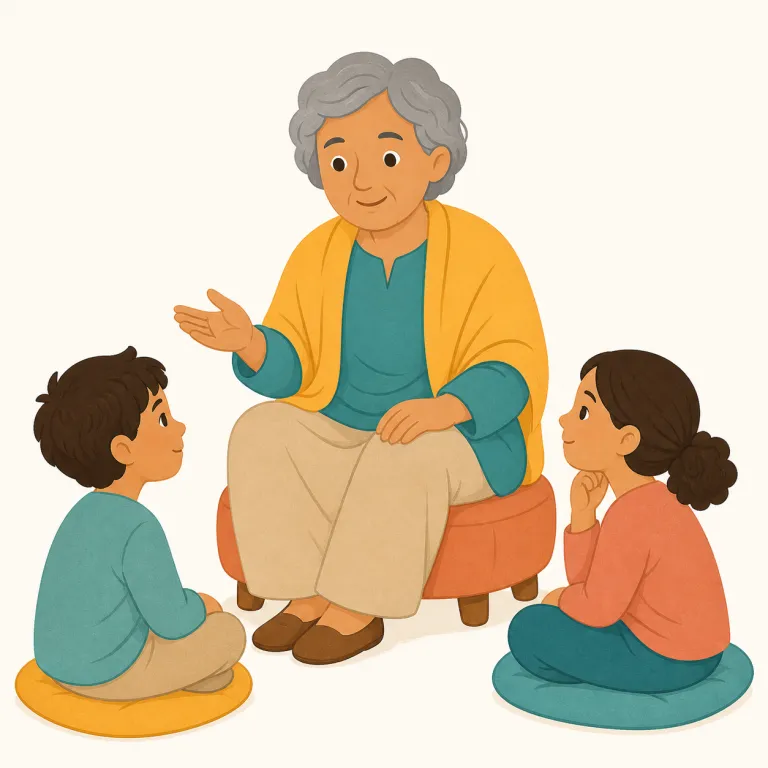
共同体や組織の中で、年齢・経験・信頼により助言や判断を担う人物を指す名詞。村、部族、教会などで尊敬される「年長者」「長老」を表し、単に高齢というより社会的な役割を含む。
An elder is a person who is older and is often respected because of age, experience, or wisdom. The word is commonly used for family or community members, and sometimes for leaders in traditional or religious groups.
覚え方のコツ Memory Tip
名詞の elder は「年上の人」から一歩進んで、周囲が相談したり決定を任せたりする人物を思い浮かべると定着します。village elder なら村の相談役、church elder なら教会の役職者のように、個人の年齢だけでなく経験と信頼が焦点です。old person は単に高齢者、senior は上位者や先輩まで広い語です。形容詞 elder が家族内の年齢順を示すのに対し、名詞ではその年長性が共同体での権威や責任に結びついています。
Connect it with `old` and `older`: `elder` means the more senior person. It is common in family or respected-group contexts, like `elder brother` or `church elder`. For general comparison, English usually prefers `older`, so `elder` feels narrower and more special. That contrast helps fix it in memory.
例文
The village elder shared stories from the old days.
村の長老は昔の話を語ってくれた。
She asked an elder in the church for advice.
彼女は教会の長老に助言を求めた。
The elders met to discuss the dispute.
年長者たちはその争いについて話し合うために集まった。
elder の語源・成り立ち Etymology
古英語 eldra は eald「古い、年老いた」の比較級で、「より年上の」という意味を持った。old と同根で、eldest「最年長の」や名詞 elder「年長者」にもつながる。
Elder comes from Old English eldra, the comparative form of eald, meaning "old" or "aged." It is related to old and also connected to eldest and the noun elder, meaning an older person.
外部辞書で調べる
この単語を英単語クイズで覚えよう