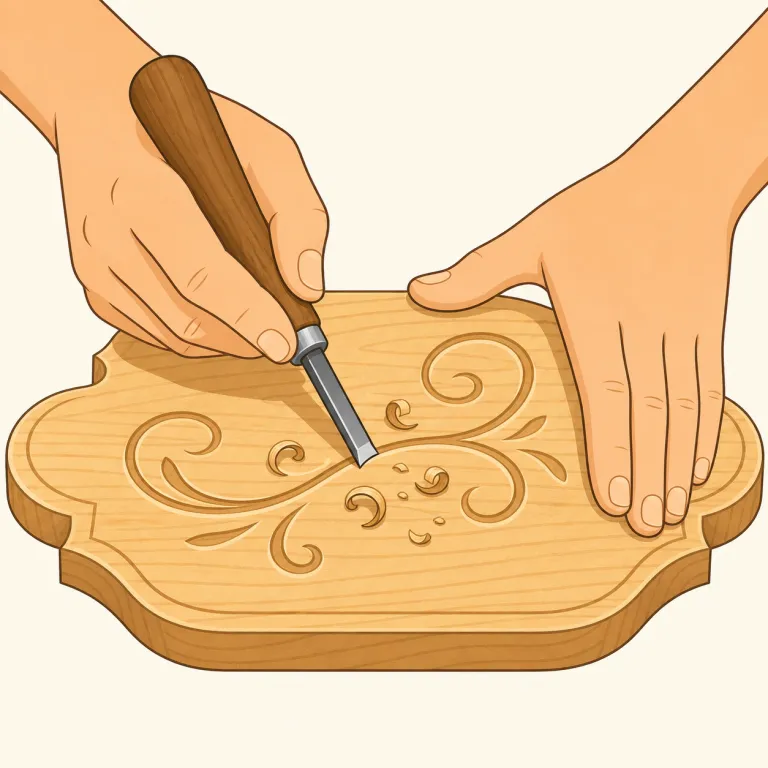
心に深く刻む、記憶に焼き付ける
verb 動詞出来事や言葉などを、人の心や記憶に消えないほど強く残すこと。多くは be engraved on/in one's memoryやmindの形で用い、単に覚えているよりも鮮明で永続的な印象を表す。
金属や石などの硬い素材の表面に文字や模様を彫り込むこと。
To engrave means to cut words, patterns, or pictures into a hard surface such as metal, wood, or stone. It is often used for names, messages, or designs that are meant to stay there permanently.
engrave は carve(彫る)に近いが、特に金属・石・指輪などの硬い表面へ、名前や模様を細かく彫り込んで長く残す語。write ではなく「消えないように刻む」と捉えると覚えやすい。engraved, engraving もセットで見ると定着しやすい。頻出は engrave a name on a ring, be engraved on stone。似た語では inscribe はやや改まった「記す」、etch は薬品や光で表面を刻む場面にも使う。比喩の be engraved in my memory も重要。
Notice `engrave` next to `grave` and `carve`: it has the feeling of cutting words or marks into something hard so they stay there. Think of common pairs like `engrave a name on a ring` or `engraved in stone`. The metaphor `engraved in my memory` is also a strong memory hook.
The jeweler will engrave your initials on the inside of the ring.
宝石職人が指輪の内側にあなたのイニシャルを刻んでくれる。
The ancient Egyptians used to engrave hieroglyphics onto stone tablets.
古代エジプト人は石板にヒエログリフを彫り込んでいた。
The artist engraved a floral pattern into the metal plate.
その芸術家は金属板に花模様を刻んだ。
文脈によって、次の意味でも使われます。
出来事や言葉などを、人の心や記憶に消えないほど強く残すこと。多くは be engraved on/in one's memoryやmindの形で用い、単に覚えているよりも鮮明で永続的な印象を表す。
古フランス語 engraver に由来し、en-「中へ」+ graver「刻む」から成ります。graver はゲルマン系の「掘る」にさかのぼり、関連語 grave や engraving を見ると、「内へ深く彫り込んで印を残す」感覚がつかめます。
Engrave comes from Old French engraver, built from en-, meaning "into," and a verb meaning "carve" or "cut." That carving verb is from a Germanic root connected with digging. The original idea was cutting deeply into a surface to leave a mark, and that sense has stayed central in English; engraving is a direct related form.
この英単語をクイズで覚えよう