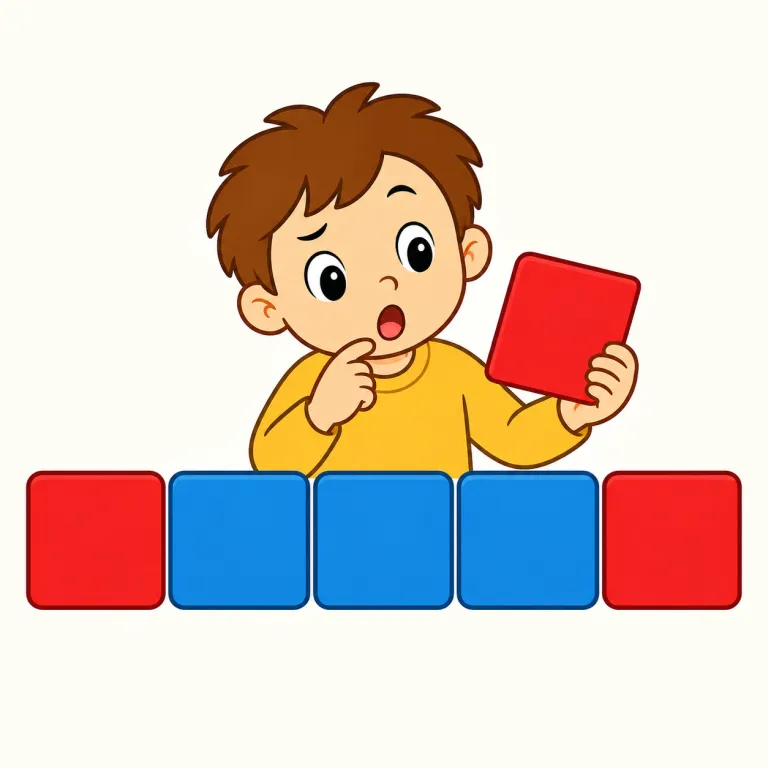
エラー
解説 Definition
error は「誤り」「エラー」という意味です。日本語の「エラー」と同じく機械やコンピューターの不具合表示にも使いますが、英語では計算や判断の間違いにも広く使われます。
An incorrect result, statement, judgment, action, or piece of information. In computing, it also means a problem that prevents a program or device from operating as expected, or the message that reports such a problem.
覚え方のコツ Memory Tip
ラテン語 errare「さまよう、道を外れる」から、「正しい道筋から外れたもの」=誤りと覚えます。an error in a sentence、calculation error、error message のように、人の判断・計算からコンピューターの表示まで広く使えます。mistake より硬く、客観的に特定できる誤りを指しやすい語です。
Connect error with the idea of wandering away from the correct path. That image comes from its historical link to a Latin verb meaning “to wander” or “be mistaken.” Use error for something objectively incorrect in writing, calculation, judgment, or computer operation. Common combinations include “an error in a sentence,” “calculation error,” “human error,” and “error message.” Compared with mistake, error often sounds more formal or technical and may focus more on the incorrect result than on the person who caused it. In computing, an error can be both the problem and the message reporting it.
例文
There is an error in this sentence.
この文には誤りがあります。
The computer showed an error.
コンピューターにエラーが表示されました。
Please check the report for any error.
報告書に誤りがないか確認してください。
error の類義語・関連語
error の語源・成り立ち Etymology
ラテン語 errare(さまよう、間違える)から。道に迷うことが「誤り」の原意。err(誤る)、errant(放浪する)と同根。物理的に道を外れることが、判断の誤りへと意味が広がった。
Error came into English through Old French from Latin error, meaning “wandering” and, figuratively, “a mistake.” The Latin noun derives from errare, “to wander” or “to be mistaken.” The semantic development is easy to follow: leaving the correct physical path became a metaphor for departing from truth, accuracy, or sound judgment. English err comes from the same Latin source, while errant preserves the older association with wandering as well as the idea of being wrong.
同じレベルの語彙をもっと
外部辞書で調べる
この英単語をクイズで覚えよう