estimate
estimate は英検2級・TOEIC 730・TOEFL 60・IELTS 5.5レベルの英単語で、「推定する、見積もり、推定」という意味があります。発音記号は /ˈɛstɪmeɪt/ です。
意味一覧 (2件)
推定する
/ noun 名詞 推定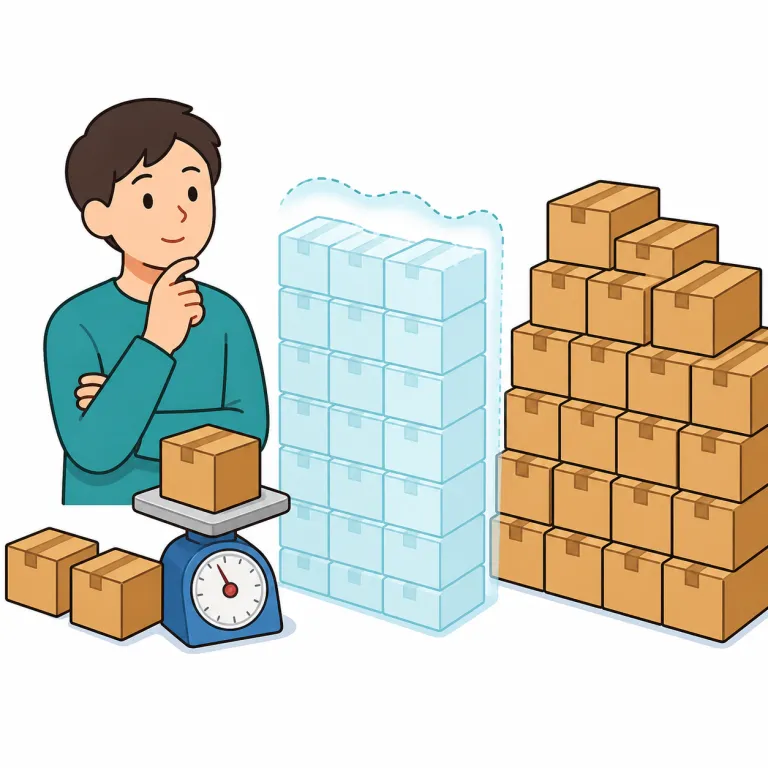
解説 Definition
十分な情報がそろっていない状況で、経験や資料をもとに数量・価値・時間などをおおよそ判断することを表す。厳密に計算するというより概略を見きわめる語で、予算・人口・所要時間などを述べるときによく使う。
To judge roughly how much something is worth, how many there are, or how long something will take. You use available information or experience when an exact answer is not available.
覚え方のコツ Memory Tip
estimate は guess より根拠があり、calculate ほど厳密ではない「推定する」と覚えると残りやすい語です。Experts estimate that ..., We estimate the cost/time at ... のように、資料や経験をもとにおおよその数・量・時間を判断します。exact ではなく「だいたいこのくらい」と見る動詞なので、人口・被害額・所要時間などと相性がよいです。
Think of estimate as using evidence to decide 'about how much' or 'about how long.' Learn the patterns 'estimate that ...' and 'estimate the cost at ...' to connect the verb with an approximate judgment.
例文
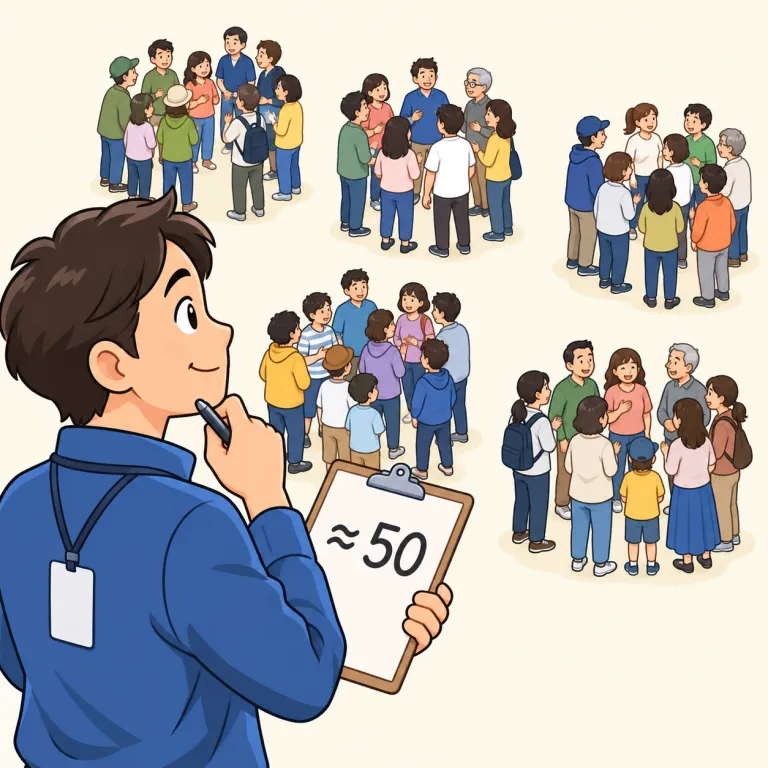
I estimate the crowd at fifty people.
集まった人は50人ほどだと推定します。
She estimates two hours for the trip.
彼女はその移動に2時間かかると見積もっています。
We estimate the cost.
私たちはその費用を推定します。
見積もり
(意味 2)
解説 Definition
何かについての、正確ではないが合理的な判断や計算。工事やサービスにかかる費用として事前に提示される金額。
An estimate is a rough calculation or judgment of size, cost, number, or time. People use it when an exact answer is not available yet, especially in business, planning, or construction. It suggests an approximate figure, not a final one.
覚え方のコツ Memory Tip
estimate は guess より根拠があり、exact ではない数字や判断、という位置づけで覚えると残りやすい。日常では cost estimate, rough estimate, give me an estimate の形が頻出で、「だいたいこのくらい」という事前の見積もりを指す。請求額そのものではなく、あとで変わりうる暫定値だと押さえると、bill や price との違いも整理しやすい。ビジネスでは quote / quotation がより正式で確定寄り、estimate は幅のある見込み、という差も一緒に覚えると実用的。
`Estimate` sits between a wild `guess` and an exact number. You often see it in phrases like `cost estimate`, `rough estimate`, or `give me an estimate`. It helps to connect it with business situations where the number is still flexible, not final.
例文
This estimate is for the room.
これは部屋の見積もりです。
The estimate is too high.
その見積もりは高すぎます。
I need an estimate today.
私は今日、見積もりが必要です。
えいたんごクイズでの正答率
この語をはじめて出題された 49人 のうち 34人 が正解しました(69%)。
えいたんごクイズの回答から集計した独自データです。1人につき最初に出題されたときの1回だけを数えており、復習や2回目以降の回答、「わからない」と時間切れは含みません。 集計時点は 2026年9月19日 です。
estimate の類義語・関連語
estimate の語源・成り立ち Etymology
ラテン語 aestimare(価値を評価する)が語源。「aes(銅・貨幣)」に関連し、もともと金銭的な価値を見定める意味だった。関連語: esteem(尊敬する=人の価値を評価する)、estimation。「価値を量る」が原義なので、見積もり・推定の意味につながる。
The word comes from Latin aestimare, meaning 'to assess value.' The idea of assessing value connects with judging quantities, costs, or time approximately.
同じレベルの語彙をもっと
英検2級の一覧へ →外部辞書で調べる
この英単語をクイズで覚えよう